
What Are the Best Outdoor Furniture Sets That Withstand Australian Sun Salt and Heavy Seasonal Use?
Manish Chopra
Finding the best outdoor furniture sets that withstand the Australian sun, salt, and heavy seasonal use is essential for anyone looking to create a long-lasting, beautiful outdoor space. Australian outdoor living requires furniture that withstands the elements. UV exposure is a key environmental factor affecting the longevity and appearance of outdoor furniture in Australia. Between scorching UV rays, salt-laden coastal breezes and back-to-back summer entertaining, the wrong outdoor furniture won't last two seasons. UV exposure can fade fabrics, crack plastics, and dry out timber, making UV-resistant materials crucial for outdoor furniture. This guide is for Australian homeowners, renters, and anyone looking to invest in outdoor furniture that withstands harsh sun, salt air, and heavy seasonal use. Choosing the right outdoor furniture is crucial to avoid frequent replacements and wasted money in Australia's challenging climate. This guide helps you navigate the best materials, configurations and care practices so your outdoor space stays beautiful and functional for years—not months.
Introduction to Durable Outdoor Furniture
Quality outdoor furniture is essential in Australia due to the harsh climate, including intense UV radiation and heavy rain. Basic furniture in Australia must withstand harsh conditions, including intense UV rays, heavy rain, and coastal salt air. Creating an inviting outdoor space starts with choosing outdoor furniture that's built to last. In Australia, where the weather can swing from blazing sun to heavy rain and salty coastal breezes, durability isn't just a bonus—it's essential. The right outdoor furniture will withstand the harshest Australian weather, from the relentless UV rays to the corrosive salty air found in coastal areas.
Materials such as synthetic wicker, powder-coated aluminium, and metal frames with a high-quality powder-coated finish are designed to withstand powder-coated conditions. Powder-coated aluminium high-quality powder-coated roof, ideal for coastal areas, withstands. These options resist rust, fading, and moisture damage, making them suitable for outdoor spaces exposed to the elements. Not only do they look stylish, but they also require minimal maintenance, so you can spend more time enjoying your outdoor area and less time worrying about upkeep. Whether you're furnishing a city balcony or a deck by the sea, investing in durable outdoor furniture ensures your space stays beautiful through every season.
Key Takeaways
Powder-coated aluminium, FSC-certified teak, HDPE (high-density polyethylene), and UV-stable synthetic materials are the most reliable for withstanding the Australian sun, coastal salt, and heavy seasonal use in 2025 and beyond.
Quick-dry cushions, tension-dyed acrylic fabrics, and rust-resistant hardware are non-negotiables for any outdoor setting that sees regular entertaining.
Match your materials to your local climate—coastal homes require different solutions than high-UV inland areas or tropical regions.
Upinteriors focuses on modern, ready-to-assemble sets that ship with high UV across Australia, with options tailored for balconies, decks, and family backyards.
This article includes product-style recommendations, a buyer's checklist, and an FAQ to help you make the right choice and reduce guesswork.
Why Australian Sun, Salt, and Heavy Use Destroy the Wrong Outdoor Furniture
Australian weather doesn't treat outdoor furniture well. Cities like Perth and Brisbane regularly see UV index readings above the highest globally. Well, add in salty air affecting the 85% of Australians living within 50 kilometres of the coastline, and you've got conditions that test every material to its limits. From October to April, decks and patios across the country host weekend barbecues, long lunches and family gatherings that put furniture through heavy seasonal use.
Here's what typically happens when you buy the wrong outdoor furniture for Australian conditions:
Fabric fading in under 12 months from harsh UV rays breaking down dyes and fibres.
Rust bubbles appear on cheap steel frames within a single summer near coastal areas.
Brittle plastic chairs are cracking due to temperature fluctuations and direct sunlight.
Cushions are developing mould and mildew after a single wet spell due to poor drainage.
Wicker unravelling and peeling when inferior materials meet heavy rain and humidity
Climate extremes vary dramatically across Australia. Queensland's cyclone belt, Western Australia's dry heat, Victoria's hail and sudden downpours—all punish low-grade outdoor sets in different ways. But the common thread is this: buying with materials and construction in mind upfront avoids the frustrating "replace every second summer" cycle that costs homeowners thousands over time.
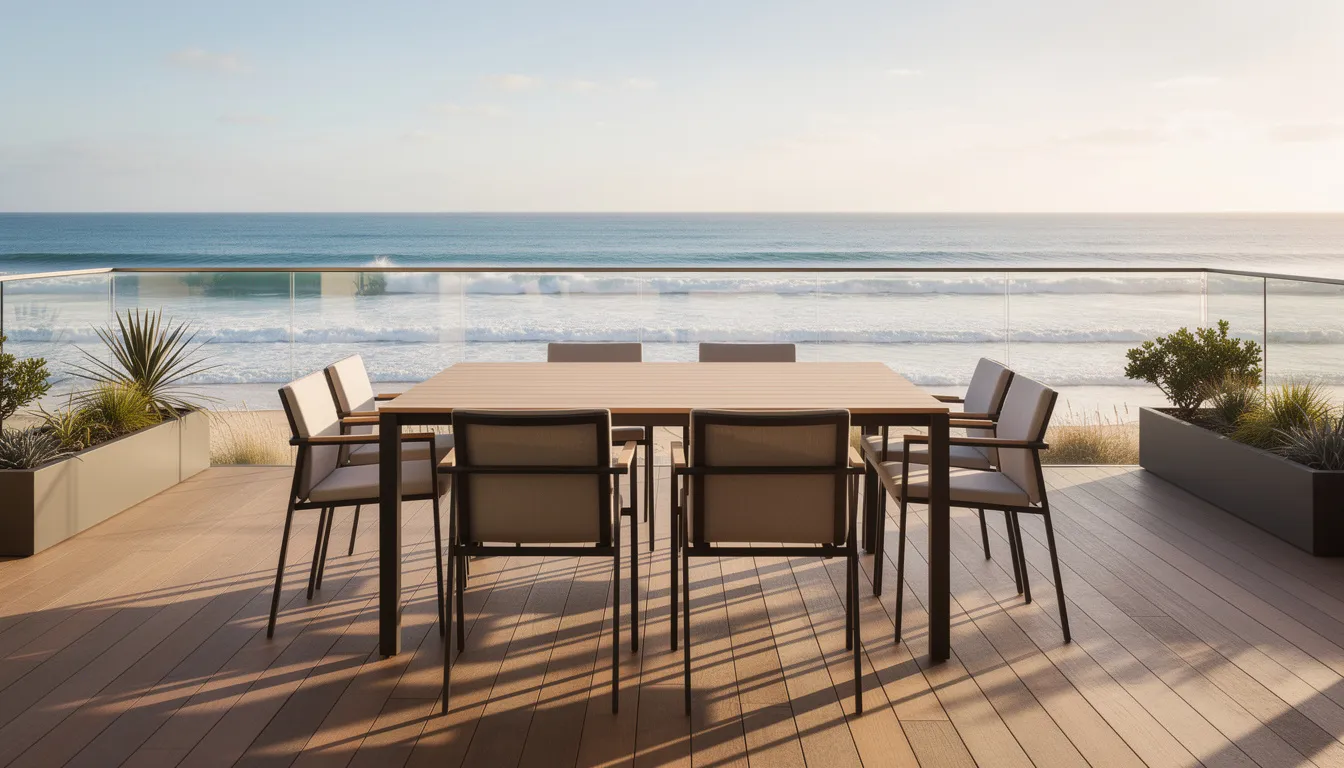
Best Materials for Outdoor Furniture in Harsh Australian Conditions
This section compares the main frame and surface materials that genuinely survive sun, salt and frequent use. We're focusing on real-world performance—what works on Gold Coast balconies, Mornington Peninsula decks and Perth courtyards—not just laboratory specifications.
Upinteriors intentionally curates sets around these proven materials because they deliver both longevity and style without compromising on modern aesthetics. Low-maintenance materials like aluminium and synthetic wicker are ideal for busy lifestyles and harsh weather conditions.
These same materials are also preferred in hospitality spaces and hospitality venues, where durability, ease of cleaning, and long-term performance are essential for h commercial environments.
Powder-Coated Aluminium
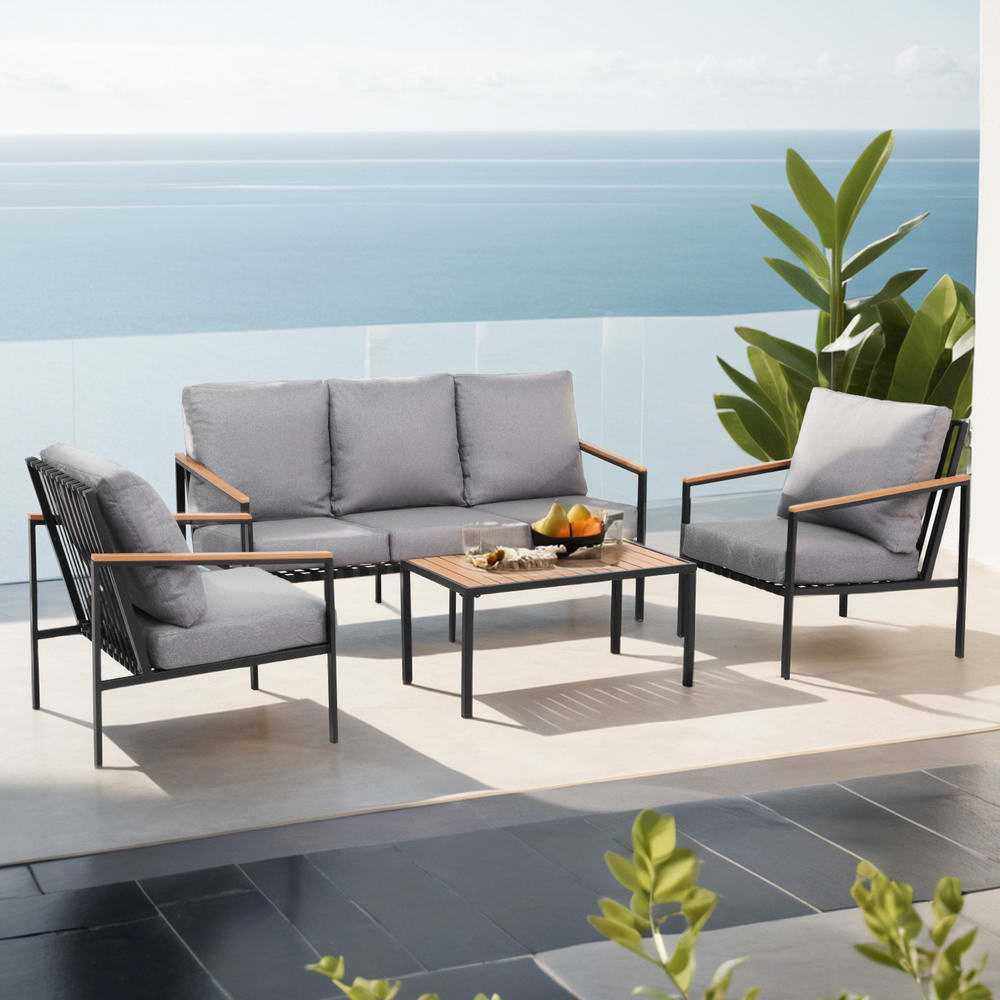
High-grade powder-coated aluminium frames are the go-to choice for coastal zones from Sydney's Eastern Suburbs to the Sunshine Coast to Fremantle. Powder-coated aluminium is lightweight, rust-proof, and ideal for coastal areas. The combination of lightweight construction and rust-proof performance makes aluminium the workhorse of Australian outdoor furniture.
Key benefits of quality powder coat finishes:
No peeling or bubbling like cheap painted steel—the coating bonds electrostatically to the metal frames
Cooler to touch than dark steel in harsh sun (though still best paired with cushions on 40°C days)
Easy to move before storms or when rearranging your outdoor area
Low maintenance cleaning—a quick hose-down removes loose dirt and grime
Aluminium frames are completely rust-resistant, even under constant salt-air exposure.
Upinteriors' modern modular lounge and dining sets often feature matte or textured powder-coated aluminium frames in colours such as charcoal, white, and sand, complementing coastal and powder-coated tones.
A word of caution: Very similar to hollow, low-c, or aluminium, non-compliant, or buckle under heavy use. Look for sturdy frames with high-quality welds and adequate wall thickness. The price difference is worth it for furniture with high-quality welds and proper durability for entertaining.
Teak and Other Durable Hardwoods
Teak remains the gold standard for premium outdoor furniture, and for good reason. The timber's natural oils—including tectoqui none at up to 5% of its weight—create a self-sealing barrier against moisture, UV degradation and fungal attack. Dense eucalyptus species offer similar benefits, making both ideal for covered decks in Byron Bay, Coffs Harbour and coastal Adelaide.
Why hardwood lovers choose teak:
Natural warmth and rich timber tones that soften modern outdoor dining areas
Ability to silver gracefully if left unoiled, creating a low-maintenance aged patina that many Australians prefer
Inherent resistance to warping, rotting and cracking even after years of Australian weather exposure
30+ year lifespan potential with proper care—a genuine long-term investment
Maintenance expectations are realistic:
Light cleaning and occasional oiling once or twice a year to preserve golden hues
Tightening screw joints every few years for sets that see heavy Christmas and Easter entertaining
Optional—you can let the teak weather naturally without any treatment
Upinteriors favours FSC-certified timbers to balance durability with responsible sourcing. This matters to eco-conscious buyers who want quality materials without compromising the environment.
HDPE (High-Density Polyethylene) and Other Recycled Plastics
HDPE "poly-woo, compromising the environments, the look of painted timber, but delivers fully weatherproof performance. This makes it ideal for poolside settings on the Gold Coast, in Townsville, or in Darwin, where chlorine, heavy rain, and humidity are constant companions. HDPE is a type of recycled plastic that is highly durable, water-resistant, and resistant to warping, rot, and mould.
Advantages that make HDPE stand out:
Feature
Benefit
Through-body colour
Won't peel, chip or fade—colour runs through the entire material
Waterproof construction
No rot, no warping, no mould, even in tropical north conditions
Simple maintenance
Only needs occasional cleaning with mild soapy water
Sustainability
Many modern HDPE sets use recycled plastics, appealing to eco-conscious buyers.
UV resistance
Formulated with UV-resistant materials to prevent brittleness
Popular examples include Adirondack-style lounge chairs and compact dining sets ideally suited to Australian patios and decks where durability trumps delicacy.
UV-Stable Synthetic Wicker (PE Wicker / Resin Wicker)
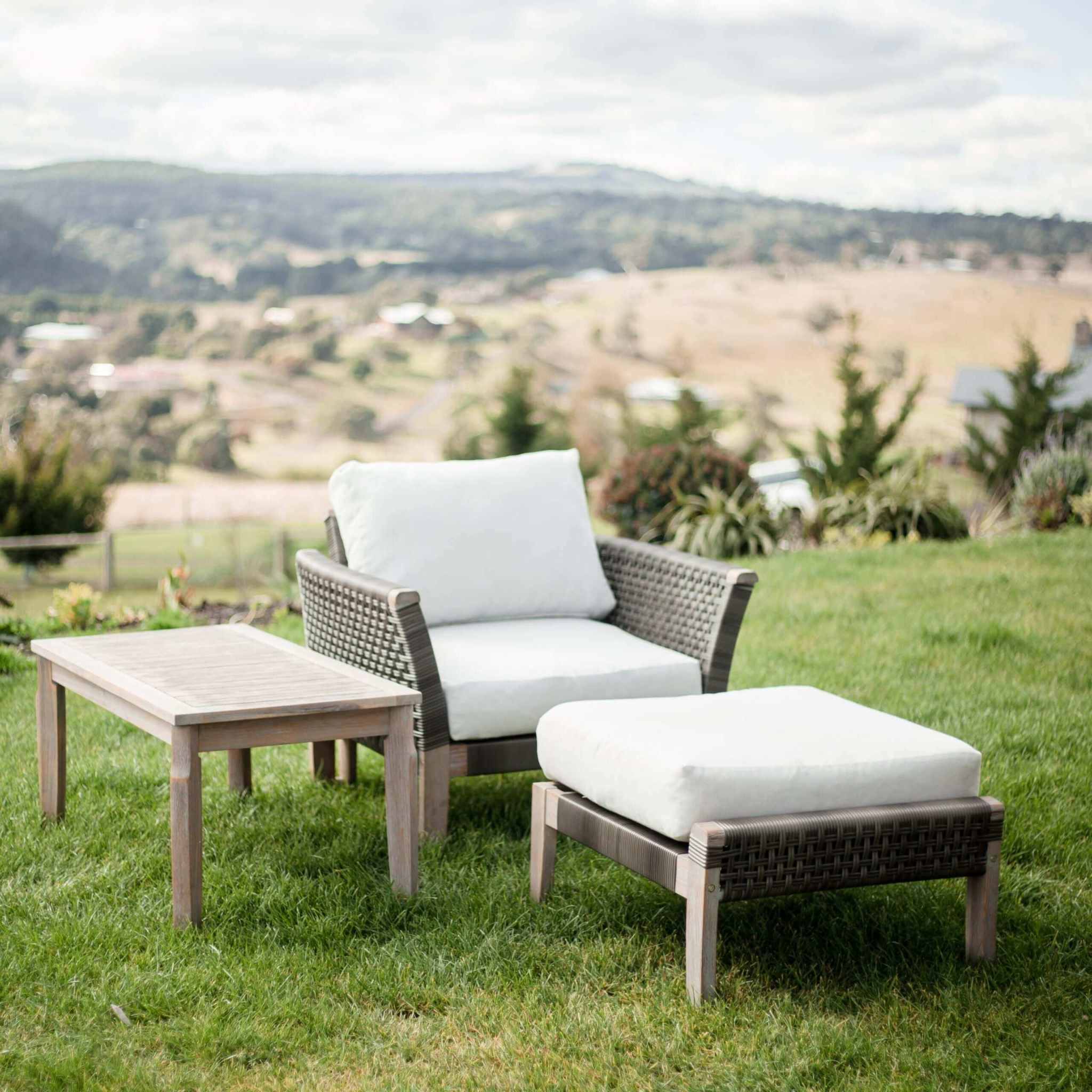
Quality PE wicker woven over aluminium frames provides that sought-after "resort" aesthetic without the mould and fray issues of natural rattan. Synthetic fabric is designed for outdoor use and resists UV and moisture. Unlike traditional wicker made from organic materials, synthetic wicker handles Australian climate extremes without complaint.
What separates good synthetic wicker from bad:
UV stabilisers prevent cracking and fading, making them suitable for full-sun zones such as Perth backyards and Brisbane pool areas.
All-weather wicker construction means no rotting, no swelling, no pest damage.
Tight, even weaves in neutral tones, such as light grey and natural, create a timeless, coastal feel.
When paired with shade, PE wicker can last 8-12 years, looking fresh
What to avoid: Thin, glossy wicker woven over steel frames is a recipe for disappointment. Within two summers near the coast, you'll see rust lacing through the weave and brittle plastic peeling off. Always check that the frame beneath is aluminium, not steel.
Upinteriors selects synthetic wicker sets with dense, consistent weaves that resist the wear of heavy seasonal use.
Marine-Grade Outdoor Fabrics and Cushion Foams
For heavy seasonal use, cushion technology is just as important as frame material. The best outdoor lounge and outdoor dining sets pair weather-resistant frames with equally challenging textiles.
Solution-dyed acrylic fabrics (similar to Sunbrella-type materials) offer fade resistance in outdoor settings.
UV fade resistance in outdoor settings. that keeps colours vibrant after multiple instances per industry testing standards
Water repellency via DWR (durable water repellent) coatings
Resistance to mould and mildew even in humid conditions
French Sunbrella fabric cushions are highly UV-, water-, and mildew-resistant. Quick-dry cushions feature reticulated foam cores that allow water to pass through, making them mildew-resistant. Quick-dry foam cushions allow for adequate water drainage and airflow. Instead of sitting waterlogged for days, these cushions dry within hours—essential for families in Sydney, Cairns or the Sunshine Coast who don't want to drag furniture inside before every afternoon shower.
Cushions made from Olefin or Sunbrella resist fading and dry quickly after rain. Look for removable covers with hidden zips and mildew-resistant treatments. Washable covers make life significantly easier for families with kids and pets, and for the inevitable wine spills during weekend entertaining.
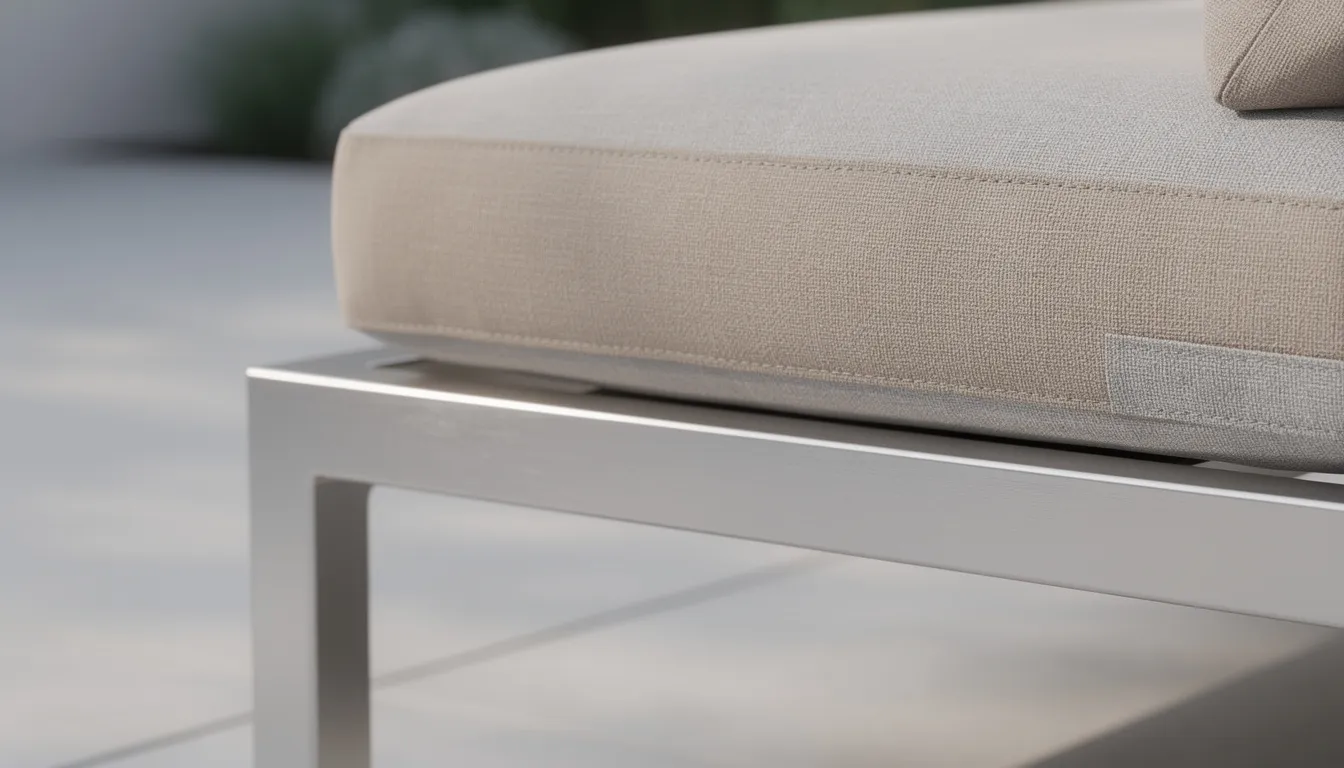
Summary: Choosing outdoor furniture and materials that withstand Australian weather is essential for durability and comfort. Weather-resistant materials help protect your investment and reduce waste over time. Outdoor furniture should be comfortable and inviting while also being able to withstand sun, rain, and wind.
Designing an Outdoor Space
Designing your outdoor space is about more than just picking out a few chairs and a table—it's about creating a functional, welcoming area that suits your lifestyle. Start by evaluating your outdoor area: consider how much sunlight it gets, how exposed it is to wind and rain, and how you plan to use the space.
Select furniture that fits both your needs and your outdoor room's layout. Lounge chairs are perfect for relaxing with a book, while outdoor dining alfresco means a breeze. Coffee tables, convenient drink-and-snack areas, and outdoor rugs can effortlessly define zoned dining with style. When arranging your furniture, ensure there's enough space for people to move comfortably, and consider the flow between areas—such as from the kitchen to the dining table or from the living room to the garden.
To keep or resurface a sofa at its best, choose pieces made from UV-resistant materials and sturdy frames that can handle the Australian climate. Weather- and UV-resistant, your dining sets and lounge chair withstand vibrant, intense colours even after seasons of sun and rain. Add finishing touches, such as potted plants or lanterns, to create a space that's as inviting as your indoor living room.
If you've ever scrolled through photos of pristine minimalist living rooms and thought "that looks beautiful, but where do the remote controls go?"—you're not alone. The idea of stripping back your living area to bare essentials sounds appealing until you remember you actually have to live there, possibly with kids, a partner who hoards magazines, or a dog who demands his own throw blanket.
Here's the truth: creating a minimalist living room in 2026 isn't about achieving some rigid aesthetic where every surface is empty, and every cushion is perfectly placed. It's about designing a space that feels calm, functions brilliantly for your daily life, and still wraps you in comfort when you sink into the couch after a long day. Too many decorative items or accessories can make the space feel cluttered, the opposite of the tranquil, comfortable environment you want to create.
Key Takeaways
A minimalist living room in 2026 balances calm and function with genuine comfort—it's not about owning less, but about keeping what actually serves your life.
Focus on fewer, better pieces: a supportive sofa, a practical coffee table, smart storage solutions, and warm lighting create the foundation of comfortable minimalism.
Neutral, layered textures like linen, wool, and natural wood keep an Australian living room feeling cosy rather than cold and clinical.
Decluttering common problem areas (surfaces, media units, kids' toys) is more effective than stripping away personality—you can still keep meaningful items.
Sourcing timeless, comfortable minimalist pieces is easier than ever through Australian online retailers like Upinteriors, where modern furniture and décor are designed with real homes in mind.
If you do just one thing today to start your minimalist living room transformation, remove one unnecessary item or focus on decluttering one area—this simple step can make a noticeable difference.
Introduction to Minimalist Living
Minimalist living is all about stripping away the unnecessary to reveal a space that feels calm, open, and truly livable. In a minimalist living room, you'll notice clean lines, a carefully chosen colour palette, and just a few well-loved pieces on display. The goal isn't to make your room feel empty or cold—it's to reduce visual clutter so you can actually relax and enjoy your space.
By embracing minimalist design, you create a living room that's organised and soothing, where every item has a purpose, and nothing feels out of place. This approach helps you focus on what matters most, whether that's unwinding after a long day, catching up with friends, or simply enjoying a quiet moment to yourself. With less clutter and more intention, your living room becomes a true retreat—proof that less really can be more.
What "Comfortable Minimalism" Really Means
Comfortable minimalism is the sweet spot between the stark, gallery-like interiors you see in design magazines and the lived-in reality of most Australian homes. It's not about achieving perfection or following strict rules about how many objects you're allowed to own. Instead, it's about creating a living room that's genuinely easy to inhabit every single day—even with kids building Lego towers on the floor, pets claiming the best spot on the sofa, or guests dropping by for Friday drinks.
The form of comfort we're talking about here isn't measured by the number of cushions piled on your couch. True comfort in a minimalist space comes from ergonomic seating that supports your body properly, soft textures that feel good against your skin, warm lighting that makes evenings feel inviting, and enough open feel and floor space to move freely without bumping into furniture. It's about function first, with beauty flowing naturally from that functionality.
Consider an example that plays out in suburbs across Australia: a family in a three-bedroom house finds their living room has become a dumping ground for toys, mail, random chargers, and furniture accumulated over years of moving. The room feels cluttered and stressful, even though they love their sofa and their kids' artwork on the walls. By editing rather than emptying—removing dated side tables that serve no purpose, consolidating toys into one attractive basket, and keeping only a few essential pieces of furniture to create a more open, comfortable space —clearing the coffee table to the essentials—the same room transforms into a calm, breathable space. They keep the meaningful stuff: the handmade pottery from their trip to Bali, the kids' framed drawings, the comfortable armchairs that have hosted hundreds of conversations. The visual clutter was draining their energy without adding value to their lives.
Suppose you're worried that minimalism means becoming some strict monk who can't own nice things, take a breath. You can absolutely keep items that bring you joy, tell your story, or serve a genuine purpose in your daily routine. The goal isn't to live with nothing—it's to live with intention.
Step 1: Define How You Actually Use Your Living Room
Before you move a single piece of furniture or buy anything new, pause and think honestly about how your living room functions in real life. This step matters more than any colour palette or style choice because it determines what stays, what goes, and what you might need to add. When you design around your actual habits rather than some imagined ideal, you create a minimalist space that genuinely works.
Think through the common uses for most people: movie nights with the whole family, working from home on your laptop, kids playing on the floor, entertaining friends over wine and cheese, quiet reading sessions on Sunday mornings, or simply having a place to rest at the end of a long day. Your living room might occasionally serve all of these purposes, but trying to optimise for every possible scenario leads to overcrowded, unfocused rooms. Instead, choose your top two or three priorities and design specifically around those.
This focus directly guides your furniture choices. If you host friends regularly, you may need additional seating, such as a love seat or a few smaller pieces that can be pulled into the conversation area. If movie nights are sacred, invest in a genuinely comfortable sofa rather than a stylish but stiff alternative. If your kids play here daily, a soft area rug and a storage ottoman for toys become essential, while delicate glass coffee tables become liabilities.
Here's a concrete example: a couple in a 2020-built Sydney apartment uses their living room as a hybrid space—it's where they work from home during the day and unwind in the evenings. Understanding this dual purpose, they choose a compact desk that tucks against the wall rather than a dedicated office setup, invest in good task lighting for work hours, and ensure their sofa faces away from the desk. Hence, evenings feel separate from the workday. Their side tables are sized to comfortably hold laptops, and their storage includes a drawer for work papers that closes completely out of sight. The room serves both functions beautifully because they designed with intention.
Step 2: Start With a Calming, Neutral Foundation
A neutral palette is the backbone of any minimalist living room because it does three powerful things at once: it makes the space feel larger and more open, it creates a sense of calm that supports relaxation, and it gives you flexibility to change accents and décor over time without redecorating the entire room. Research into colour psychology suggests that muted tones can actually lower stress hormones, which makes them particularly well-suited to rooms where you're meant to unwind.
Choosing Wall Colours
For your walls, consider warm whites rather than stark cool whites—think shades with subtle cream or greige undertones that feel welcoming rather than clinical.
Selecting Furniture Tones
Your largest furniture pieces should anchor the room in similar tones: a beige, light grey, or oatmeal sofa works beautifully as a foundation, for timber furniture like entertainment units, side tables, and shelves, natural oak or walnut finishes bring warmth without competing for attention. Rugs in off-white, sand, or soft grey tones ground the space while keeping everything visually cohesive.
Adding Accent Colours
To add character without overwhelming that calm base, introduce two or three accent tones inspired by the Australian landscape. Eucalyptus green brings the bush indoors, ocean blue references coastal living, and terracotta connects to the earth tones of the outback. You can use these sparingly in cushions, throws, or a single piece of wall art. These subtle accents can add depth to your minimalist design, making the space more visually engaging while maintaining simplicity. This approach lets you create visual space that feels interesting without becoming busy.
When sourcing these foundation pieces, look for quality items that will stand the test of time. Upinteriors offers neutral sofas, timber media units, and simple rugs that work together to create a cohesive base—pieces designed for modern Australian homes. The key is avoiding too many competing colours or patterns. A good rule: limit your room to three or four main hues, and you'll maintain that essential minimalist feel while still having a personality-filled space.
Step 3: Choose Fewer, Better Furniture Pieces
The "quality over quantity" principle is central to minimalist design, and nowhere is it more important than in your furniture choices. Investing in fewer, better pieces means each item earns its place by being both beautiful and genuinely comfortable. Studies suggest that while premium furniture might cost two to three times more upfront than budget alternatives, it typically lasts decades rather than years—making it more economical and more sustainable in the long run.
Essential Living Room Pieces
Your essential living room pieces to prioritise are straightforward:
A comfortable sofa that actually supports your body
One coffee table or ottoman that serves your daily needs
One or two side tables positioned where you actually need to set down a drink or book.
A TV or entertainment unit that manages cables and devices cleanly
A floor lamp that provides warm ambient light
That's the core. Everything else is optional and should only be added if it genuinely serves your life.
Choosing the Right Furniture Style
When selecting these pieces, look for clean lines and low-to-medium profiles that keep the room feeling airy. Sofas with slim arms and visible legs allow light to flow underneath, making even a small room feel more spacious. Avoid overly ornate details or bulky proportions that visually dominate the space. The minimalist aesthetic celebrates simplicity, so let the quality of materials and the elegance of simple forms speak for themselves.
Multi-Functional Furniture
Multi-functional furniture is your friend in a minimalist home. Storage coffee tables hide remotes and magazines, nesting side tables can be pulled apart for entertaining and tucked together for daily use, and modular sofas with chaises adapt easily when you move house or rearrange. These smart choices mean you can do more with fewer pieces.
Upinteriors focuses on modern, Australian-friendly furniture that suits this approach: fabric sofas sized appropriately for local living rooms (three- to four-seater options that don't overwhelm), streamlined timber entertainment units with thoughtful cable management, and side tables that balance form with genuine functionality. When you're choosing pieces that need to last, it pays to source from retailers who understand how Australians actually live.
The Role of a Coffee Table
The coffee table often sits at the heart of the living room, but it can quickly become a magnet for clutter—think remotes, magazines, and yesterday's coffee cup. In a minimalist living room, your coffee table should be a model of simplicity and function. Opt for a design with clean lines and, if possible, built-in storage to tuck away the everyday essentials.
Keep the surface clear, displaying only a few carefully chosen items—perhaps a simple vase, a favourite book, or a small tray for remotes. This not only makes the room feel more open and calm, but also ensures your coffee table serves its purpose without becoming a dumping ground. By choosing a minimalist coffee table and keeping it clutter-free, you create a living room that feels both functional and beautifully serene.
Step 4: Edit Surfaces and Visual Clutter
If you want the quickest transformation in your living room, start by editing your surfaces. The coffee table, TV unit, and any sideboards or shelves are where visual clutter accumulates fastest—and where clearing it creates immediate calm. This isn't about having empty surfaces, but about being intentional with what you display.
The Ten-Minute Edit Process
Follow these steps for a quick and effective edit:
Clear everything off your coffee table (yes, everything).
Add back only three to five items that either look beautiful or serve a genuine purpose:
A small tray to corral remotes
A candle in a simple vase or holder
A small stack of two or three books you actually read
One decorative object, like a sculptural piece or a small plant
You can leave plenty of space around each item so nothing feels crowded.
Managing Hidden Clutter
For items that need to live in your living room but don't need to be seen—remotes, chargers, kids' bits and pieces, mail waiting to be dealt with—use closed storage.
Lidded baskets, boxes that tuck into shelving, and furniture with drawers keep functional items accessible yet out of sight.
This is how you reduce visual clutter without reducing convenience.
Styling Rule for Surfaces
Aim for one focal point item per surface, plus one functional item if needed.
Your TV unit might have a single piece of art leaning against the wall and a candle.
Your sideboard might feature one statement vase and a small bowl for keys.
This approach keeps each surface feeling curated rather than cluttered.
Bookcase Transformation Example
Could you remove half the items from a crammed bookcase?
Group books by colour or size.
Space out the remaining décor so each piece has breathing room.
Add one or two larger objects instead of many small ones.
The bookcase becomes a visually interesting focal point rather than a source of visual noise.
Step 5: Declutter Comfort Items Without Sacrificing Cosiness
Here's where minimalism gets tricky: the throws, cushions, and soft furnishings that make a room feel cosy can easily tip into clutter territory. The desire for comfort is completely valid—nobody wants to live in a cold, hard space. But the idea isn't to eliminate softness; it's to be thoughtful about quantity.
For an average three-seater sofa, aim for two to four cushions and one throw. That's enough to create visual interest and genuine comfort without the sofa looking like a cushion explosion.
Throw pillows can make the sofa more comfortable, but too many can make the space harder to maintain and less visually calm.
If you currently have eight cushions piled up and three different blankets draped everywhere, you're not a bad person—you have more than you need for the room to feel calm.
Rotating Comfort
Keep one basket or drawer of extra throws and cushions for seasonal swaps.
In autumn and winter, bring out the chunky knit throws and richer-toned cushions.
In spring and summer, switch to lighter linen textures in brighter, airier tones.
This approach means you can own and enjoy variety without displaying everything at once.
When choosing your soft furnishings, focus on quality fabrics that feel genuinely good: linen, cotton, and wool blends in neutral or nature-inspired tones. These materials age beautifully and contribute to a sophisticated, non-fussy look. A single really good wool throw draped over the arm of your sofa adds more warmth than five cheap polyester blankets ever could.
Upinteriors offers cushions, knitted throws, and woven baskets that demonstrate this pared-back approach—pieces that add texture and comfort without overwhelming the room. The focus is on materials and craftsmanship rather than volume.
Step 6: Plan Layout for Flow, Not Just Looks
A truly functional minimalist living room isn't just about what furniture you choose—it's about where you place it. In smaller Australian homes, apartments, and rentals, layout can make the difference between a room that feels spacious and one that feels cramped, even with identical furniture.
Research in environmental psychology suggests that open floor plans with clear sightlines can increase perceived room volume by twenty to thirty per cent. In practical terms, this means maintaining clear walkways of at least eighty to ninety centimetres, ensuring sliding doors can fully open, and leaving enough space to access balcony doors or windows without awkward squeezing.
In larger open-plan rooms, try floating your sofa away from the wall rather than pushing it right up against it. This creates better conversation zones and makes the space feel intentionally designed rather than furniture pushed to the edges. In tighter spaces, placing the sofa against the longest wall often works better, freeing up the centre of the room.
You can use an area rug to define your living zone, especially in combined living and dining areas. The rug creates a visual boundary between the relaxation and eating spaces, even without physical barriers. Keep each zone simple and avoid the temptation to fill every corner with furniture.
For example, consider a typical five-by-four-metre open-plan living and dining space in a 2022 townhouse. The sofa sits against the longer wall facing the TV unit on the opposite side, with a rug defining the living area. A small dining table and chairs occupy the remaining floor space near the kitchen entry. The patterned rug adds personality, while the clear walkway between zones means movement through the space feels easy and natural. The sliding door to the balcony is unobstructed, and the windows remain accessible for opening.
Living Rooms and Natural Light
Natural light is one of the most powerful tools for creating a welcoming, minimalist living room. Large windows, paired with sheer curtains, let sunlight flood the room, making the space feel brighter, larger, and more inviting. A light colour palette for walls and furniture helps reflect natural light, enhancing a sense of openness and calm.
In a minimalist living room, natural light does more than just illuminate—it adds visual interest and depth, highlighting the clean lines and thoughtful design choices. By maximising your windows and choosing window treatments that let in light, you can create a living room that feels fresh, relaxed, and effortlessly stylish. Letting in more natural light means you'll rely less on artificial lighting during the day, keeping your space feeling airy and tranquil.
Step 7: Layer Textures So Minimalism Feels Warm, Not Stark
When you remove visual clutter, texture becomes your primary tool for creating warmth and interest. A minimalist room with smooth surfaces in identical finishes will feel cold and sterile. But the same room with thoughtfully layered textures—timber, linen, woven fibres, perhaps a touch of metal—feels inviting and visually interesting without any additional stuff.
Key Materials for Texture
A bouclé or linen sofa adds softness and visual depth.
A wool or jute area rug brings natural texture underfoot.
A natural wood coffee table or side tables introduce organic warmth.
Rattan or woven baskets contribute a pattern without busy prints.
Ceramic lamps or vases add subtle variation.
Each texture catches light differently, creating gentle contrasts that keep the eye engaged.
Aim for three to four textures per room maximum, and stick within the same colour family to maintain cohesion. For example: timber in warm oak tones, soft fabrics in cream and oatmeal, woven fibres in natural tan, and perhaps matte black metal accents. This combination creates depth without chaos.
Upinteriors' timber side tables, woven storage baskets, and framed fabric wall art can be combined to create a layered, comfortable aesthetic. The minimalist decor approach emphasises quality materials over decorative excess.
One important tip: avoid too many glossy finishes. While the occasional metallic accent is fine, rooms dominated by high-shine surfaces feel clinical and cold. Matte, natural, and softly textured finishes contribute to a relaxed atmosphere that invites you to stay and rest.
Step 8: Use Lighting Strategically for Atmosphere and Function
Lighting transforms a minimal living room from potentially stark to genuinely cosy, and it's one of the most overlooked elements in interior design. During the day, maximising natural light keeps the space feeling open and fresh. At night, thoughtful artificial lighting creates warmth and ambience that makes you want to settle in.
Layering Light Sources
A central ceiling light provides general illumination, but on its own, it can feel flat and harsh.
Add one or two floor lamps positioned near seating areas for softer, more atmospheric light in the evenings.
A table lamp on a side table or console adds another pool of warmth.
If you have a dedicated reading chair, consider a wall sconce or an adjustable floor lamp to provide good task lighting without overhead glare.
Choose bulbs in warm white tones—around 2700 to 3000 Kelvin—for evening comfort. This colour temperature mimics the golden hour and encourages relaxation. For task lighting where you need to read or work, you can go slightly brighter while staying in the warm spectrum.
Window treatments matter too. Sheer curtains, linen blends, or light blinds maximise daylight while still providing privacy. Heavy, dark curtains can make a minimalist space feel smaller and more enclosed than it needs to be. In Australian homes with abundant sunshine, making the most of natural light is one of the easiest ways to create a room that feels spacious and welcoming.
Upinteriors offers lamps and minimalist pendant lights that suit this pared-back aesthetic—designs with clean lines that complement rather than compete with your furniture.
Step 9: Curate Wall Art and Décor Intentionally
Minimalism doesn't mean staring at bare walls. It means choosing your wall art and décor deliberately, so each piece has a genuine impact rather than being lost in a crowd of competing images. When you have fewer things on your walls, each one becomes more visually interesting and meaningful.
Choosing and Placing Art
Prioritise one to three larger artworks or framed prints instead of scattering many smaller pieces that create visual noise.
A single large canvas or framed photograph above the sofa creates a clear focal point that anchors the room.
A hero piece commands attention in a way that gallery walls of tiny frames simply cannot.
Art Themes
Coastal photography that captures the light and colour of our beaches
Abstract works in neutral tones that add visual interest without overwhelming
Botanical prints that bring nature indoors
Line drawings that add personality with elegant simplicity
Choose art that genuinely speaks to you rather than following trends that won't last.
You can intentionally mix scales: a larger piece above the sofa paired with a smaller, simpler print near a reading corner or on a console table. This creates rhythm without busyness. Mirrors can also serve as functional décor, reflecting light, making rooms feel larger, and contributing to the minimalist aesthetic.
Upinteriors' Australian-designed wall art and mirrors create genuine focal points without overcrowding walls. The key is restraint: let your chosen pieces breathe, and resist the urge to fill every available wall space.
Step 10: Tame Everyday Clutter With Smart Storage
Here's where minimalist living meets real life. No matter how carefully you curate your space, daily life brings in toys, devices, mail, bags, and miscellaneous items that need somewhere to go. A minimalist home doesn't require perfection—it requires systems that make tidiness achievable.
Smart Storage Strategies
Please think carefully about where clutter tends to accumulate and address those specific spots.
A slim console near the entry catches keys, mail, and bags before they migrate into the living room.
A TV unit with closed doors hides devices, cables, and game controllers.
Lidded baskets corral kids' toys in one contained space rather than spreading across the entire floor.
Weekly Reset Routine
You can set up a simple weekly reset routine: ten to fifteen minutes each Sunday night to clear surfaces, return items to their designated baskets or drawers, and fold throws back into position.
This regular maintenance prevents a gradual build-up and ensures your living room starts each week feeling calm.
Upinteriors offers storage solutions that work beautifully in minimalist spaces: storage ottomans that hide blankets and magazines, entertainment units with cupboards that conceal tech clutter, and sideboards that provide ample closed storage while remaining elegant. These pieces prove that functional and stylish aren't mutually exclusive.
Set realistic limits, especially if you have kids. One toy basket in the living room—not a mountain of toys sprawling across the space—keeps things manageable. The toys get packed away each evening, and the living room returns to adult calm. This isn't about denying anyone fun; it's about creating boundaries that make the house work for everyone.
Preserving the Space
Preserving the sense of space is central to minimalist living room design. This means being intentional about what you bring into the room, keeping surfaces clear, and choosing furniture with clean lines that don't overwhelm. Instead of filling every corner, focus on a few functional pieces that serve your needs and leave plenty of open floor space.
By limiting decorative items and keeping clutter at bay, you create a living room that feels calm, inviting, and easy to enjoy. The minimalist approach focuses on what truly matters—comfort, function, and beauty—while letting go of the rest. The result is a space that encourages relaxation and socialising, demonstrating that sometimes the best way to add character is to leave a little room to breathe.
Bringing It All Together: A Sample Minimalist Living Room Plan
I want to walk through how all ten steps come together in practice. Imagine a Brisbane apartment in 2026: a young couple with a toddler, working hybrid schedules, seeking a living room that feels grown-up and calm yet accommodates their whole family.
Defining Purpose
The room needs to work for evening TV watching, weekend entertaining, toddler play during the day, and occasional work-from-home sessions.
With this clarity, they can make intentional choices for every element in the room.
Choosing Furniture
A comfortable three-seater sofa with machine-washable covers (essential with a toddler)
A storage ottoman that holds toys and doubles as a coffee table
Two armchairs that provide extra seating when friends visit
Color Palette
Warm white walls
Oatmeal sofa
Natural oak timber furniture
Soft grey area rug
Accent colours through a few eucalyptus green cushions and a piece of coastal photography above the sofa
The neutral palette makes the room feel larger and more serene.
Editing Surfaces
The storage ottoman holds a small tray with a candle and one decorative object.
The TV unit has closed storage for devices, with only the television and a small plant visible.
Books are on two floating shelves, with breathing room between items.
Layering Textures
Linen sofa
Wool rug
Oak side tables
Woven basket for quick toy storage
Lighting
Floor lamps with warm bulbs flank the sofa for evening light.
Sheer curtains on the windows let natural light flood in during the day.
The final feel is exactly what comfortable minimalism should be: airy and uncluttered, with cosy textures, warm evening lighting, and just a few meaningful objects that tell the family's story. It's a room where they can rest, work, play, and entertain without feeling overwhelmed.
Most of the core furniture and wall art in a room like this could be sourced from a single retailer, such as Upinteriors, simplifying the shopping process and ensuring the pieces work together cohesively.
If tackling your entire living room feels overwhelming, start small. Begin with one area—the coffee table, the sofa zone, or the TV wall—and apply these principles there first. Momentum builds, and before long, you'll have created the calm, comfortable minimalist living room you've been picturing.
For more tips and inspiration on minimalist living room design and home organisation, check out our other posts.
FAQ
How can I make a small living room look minimalist while still fitting everything I need?
Use multifunctional furniture that works harder, such as a compact two-and-a-half-seater sofa, rather than a bulky three-seater.
You can opt for a storage ottoman that serves as your coffee table and hides items inside.
Choose a slimline media unit that doesn't dominate the wall.
You can use vertical space with wall-mounted shelves or a tall, narrow bookcase instead of scattering multiple small storage units across the floor.
Limit décor to one or two focal pieces.
Keep walkways clear—especially near doors and balconies—to make even compact spaces feel open and calm.
Can I have a minimalist living room if I love colour?
Absolutely. Use colour intentionally rather than scattering multiple hues throughout the room.
Choose one colourful sofa in a rich jewel tone, paired with neutral walls and timber furniture.
Alternatively, keep major furniture neutral and introduce colour through a bold area rug or a single large artwork.
Select a tight palette—perhaps terracotta, rust, and blush, or navy, sage, and cream—and repeat those accent colours through cushions and throws.
The colour becomes a feature rather than visual chaos.
How do I keep a minimalist living room, kid- and pet-friendly?
Choose durable, stain-resistant fabrics for your sofa—performance fabrics and washable slipcovers are your friends.
You can opt for a rounded coffee table to avoid sharp corners.
Keep breakables either on high shelves or in closed cabinets.
Designate one basket or low cupboard specifically for toys.
Establish a daily "pack away" habit of returning everything to its place before bed.
Focus on fewer, solid pieces rather than lots of delicate objects.
A minimalist room with kids is absolutely achievable—it just requires thoughtful choices and realistic expectations.
What should I invest in first if I'm on a budget?
You can start with the sofa, as it affects comfort more than any other piece and sets the visual tone for the entire room.
Next, could you invest in a good rug to ground the seating area?
Choose a functional coffee table or ottoman—preferably one with storage.
Add décor, wall art, and accent pieces gradually over time as budget allows.
You can stick to your chosen colour palette with each addition for a cohesive look.
How often should I declutter to maintain a minimalist look?
Do a quick weekly reset—ten to fifteen minutes on a Sunday evening—to handle surface clutter such as magazines, toys, and miscellaneous items.
Conduct a deeper review of décor, textiles, and stored items every three to six months to reassess whether everything still serves a purpose.
Adopt a "one in, one out" rule for cushions, throws, and decorative objects to prevent a gradual build-up.
At least once a year, step back and evaluate whether the room still suits how your household actually lives—needs change, and your space should evolve with them.
If your living room needs to moonlight as a home office, guest room, and entertainment hub, you're not alone. This article is for anyone living in a small home or apartment who wants to make the most of their living room. With space at a premium in many Australian homes, making your living room serve multiple purposes is essential for comfort and functionality. With Australian apartments getting smaller and lifestyles getting busier, the single-function living room is officially a thing of the past. The good news? You don't need a renovation or extra square metres to make it work. This guide shows you how to create a multi-purpose living room in small homes, step by step. With smart planning, the right furniture, and a few clever design ideas, you can transform your compact living space into a flexible, functional, and genuinely stylish room that handles whatever life throws at it.
A well-designed multi-use living room can adapt to various activities and needs. A stylish multi-use living room can serve as a workspace, entertainment area, and relaxation zone.
Key Takeaways
A small living room in a 1–2-bedroom Australian home can comfortably serve as a home office, guest room, and media space with smart zoning and furniture choices.
Multifunctional furniture (e.g. sofa beds, storage ottomans, nesting coffee tables) is the fastest way to gain extra "rooms" without adding square metres. Multifunctional furniture enhances utility in compact living rooms. Multifunctional furniture helps maximise space in small living rooms.
Rugs, lighting, and thoughtful layout help you create zones for relaxing, working, dining, and kids' play within a single open plan area.
Light colours, mirrors, and low-profile modern furniture from Upinteriors make compact living rooms feel bigger and brighter.
Simple, actionable steps you can start this weekend: declutter, reorient the sofa, add a wall-mounted desk, and introduce at least one storage-rich piece of furniture.
Why Multi-Purpose Living Rooms Matter in Small Australian Homes
Picture a typical two-bedroom apartment in Sydney or Melbourne. The living room sits at the heart of the floor plan, connected to a small dining area, maybe with a study nook carved out near the window. This single space needs to handle Netflix marathons, Zoom calls, kids' homework, the occasional overnight guest, and somehow still feel like a calm retreat at the end of the day.
This isn't a luxury problem—it's the reality for millions of Australians. Rising city rents and smaller floor plans, particularly in apartments built since 2020, have made flexible living rooms essential rather than optional. Research shows that more than 55% of the global population now lives in urban areas, and Australian cities are no exception to this trend toward compact living.
For many renters, council or strata rules prevent structural changes like knocking down walls or adding built-in storage. That means furniture and layout become your primary tools for gaining functionality. The pieces you choose and where you place them can literally determine whether your room feels cramped or spacious, chaotic or calm.
At Upinteriors, we focus on modern, space-savvy furniture designed specifically for Australian homes. Our range of locally focused pieces helps you squeeze more functionality from every corner without sacrificing style. The rest of this article gives you a step-by-step approach: plan your zones, choose the right furniture, and then refine with storage, colour, and decor.
Once you understand why a multipurpose living room is essential, the next step is to develop a clear plan for your space.
Start with a Clear Plan for Your Small Living Room
Before you buy a single piece of furniture or move your sofa, you need a clear picture of what your living room actually needs to do. Jumping straight into shopping without a plan is how people end up with rooms that look good in photos but don't work in real life.
Start by listing every function your room must support. Be honest about how you actually spend time in this space, not how you wish you did.
Common functions to consider:
Lounging and watching TV
Working from home (full-time or part-time)
Dining or casual meals
Hobbies (reading, crafts, gaming)
Kids' play area
Overnight guests
Exercise or yoga corner
Once you have your list, prioritise your top 2–3 "non-negotiable" uses. For example, if you work from home three days a week and regularly host your parents overnight, then home office and guest bed are non-negotiables. Accept that lower-priority functions might require compromises—your yoga corner might become a rolled-up mat in a basket rather than a dedicated space.
Next, measure your room in centimetres. Note window positions, door swings, power outlet locations, and any existing built-ins or architectural features. Also, consider ceiling features such as high-ceiling storage or multiple ceiling levels, which can help define zones or provide valuable storage space.
Sketch a simple floor plan on A4 paper or use a free online room planner. This doesn't need to be architectural—just a rough layout showing walls, doors, and windows. Then you can experiment with furniture placement before committing. You can also visually separate a dining room from the living area by using architectural features such as a raised floor, steps, or a change in ceiling height or finish.
Once you know what your room needs to do, the next step is to create distinct zones for each function.
Zone the Room: Create Distinct Areas Without Walls
Zoning is the fastest visible change you can make to a small room, and it should happen before you buy any new pieces. Creating defined areas for different activities can enhance organisation in a small living room. When you create zones within a single space, research suggests perceived spaciousness can increase by 20–30% because the brain processes segmented areas as more organised.
Use Rugs to Define Areas
A well-placed rug instantly signals "this is the lounge zone." A 160 x 230 cm rug anchoring your sofa and coffee table creates a cohesive conversation area. Add a smaller flat-weave rug under a desk or in a kids' play corner to define secondary zones without visual clutter.
Let Furniture Do the Dividing
The back of your sofa is an underrated room divider. Position it facing away from your work area to create psychological separation without losing floor space. A slim console table (around 30–35 cm deep) placed behind the sofa can hold a lamp or books, or serve as a standing desk surface, while visually separating functions.
Layer Lighting for Different Zones
At night, the right lighting transforms a multi-purpose room. Use floor lamps and table lamps to create "pools" of light that signal different activities. A reading lamp by the sofa, a task lamp on the desk, and ambient light near the dining space help each zone feel intentional.
Consider Portable Room Dividers
For renters who can't alter walls but want a semi-private work area or guest room, open shelving units or folding screens work brilliantly. Choose open-backed shelves rather than solid bookcases—they divide the space without blocking light or making it feel dark.
By establishing clear zones, you set the stage for choosing furniture that supports each area's function.
Creating an Open Plan Living Area
In a tiny house or small living room, adopting an open-plan layout is a clever way to make every square metre count. By combining your living room, dining area, and even kitchen into one cohesive living space, you create a sense of flow and openness that makes your home feel much more spacious than its floor plan suggests.
To make the most of your open plan living area, start by defining zones for different activities. Room dividers, such as lightweight shelving units or even stylish curtains, can help create subtle boundaries between your lounge, dining area, and workspace without closing off the room. This approach allows you to enjoy the flexibility of a large, multifunctional living area while still giving each zone its own identity.
Multifunctional furniture is your best friend in an open plan layout. Multifunctional furniture enhances utility in compact living rooms. Multifunctional furniture helps maximise space in small living rooms. A sofa bed, for example, does more than one job—serving as comfortable seating by day and transforming into a guest room at night. Pair it with a coffee table that offers hidden storage to keep clutter at bay, and add a side table for extra practicality. These pieces help you maintain a functional, inviting layout, no matter how many activities your living area needs to support.
When planning your open-plan space, consider how you move through the room. Arrange your sofa and dining table to encourage easy flow, and use rugs to anchor each zone visually. The result? A dream living room that feels welcoming, organised, and ready for anything—whether you're hosting friends, working from home, or simply relaxing with family. With the right design ideas and a few smart investments, your tiny home can feel as spacious and stylish as any larger house.
With your zones established, it's time to select furniture that serves multiple purposes and adapts to your needs.
Selecting Furniture for Multiple Functions
In a small living room, every piece of furniture should ideally do more than one job. This isn't about cramming more stuff in—it's about choosing smarter pieces that earn their floor space. Multifunctional furniture is essential in a stylish multi-use living room design.
Sofa Beds and Modular Sofas
A quality sofa bed transforms your lounge into a guest room within minutes. Modern mechanisms can convert a 180cm sofa into a comfortable sleeping surface in under 60 seconds. Modular sofas with storage chaises offer hidden compartments for bedding, board games, or seasonal items while providing flexible seating configurations. Using modular furniture can help maintain a clutter-free and adaptable living space.
Storage Ottomans and Nesting Coffee Tables
A storage ottoman might be the hardest-working piece in any small home. It serves as extra seating, a footrest, a laptop perch, a coffee table, and hidden storage for toys, blankets, or craft supplies. Some models hold up to 10 cubic feet of items and look like stylish accent pieces.
Nesting coffee tables give you surface space when you need it and disappear when you don't. Pull them apart for entertaining; stack them for movie night.
Compact Desks
Wall-mounted or fold-down desks (around 80–100cm wide) provide a dedicated workspace without permanently claiming valuable real estate. When closed, they function as a console table or disappear entirely against the wall. This is essential for anyone who needs a home office but doesn't want to stare at a desk while trying to relax.
The Upinteriors Approach
At Upinteriors, our focus on modern, low-profile furniture keeps sightlines open while delivering hidden storage and flexible layouts. Raised legs on sofas and armchairs show more floor underneath, making rooms feel more spacious. Clean lines and streamlined silhouettes mean pieces look good from every angle—important when your sofa is also your room divider.
With the right furniture in place, the next step is to maximise storage without making the room feel crowded.
Maximise Storage Without Crowding the Room
Clutter is the enemy of multi-purpose living. When every surface is covered with work papers, toys, and random stuff, it's impossible to switch between functions mentally. Your living room can't feel like a calm lounge if it looks like a storage unit. Smart storage solutions keep small living rooms clutter-free and organised.
Go Vertical
Vertical space is the most underutilised real estate in small homes. Wall-mounted shelves above the sofa, tall bookcases reaching 210–230cm, and floating TV units free up valuable floor space. Vertical storage solutions can help keep the floor clear and maximise space in a small living room. Using vertical space for storage can significantly increase storage capacity in small living rooms. Research shows that maximising floor visibility can make a room feel up to 25% larger. Utilising vertical space can create up to 30% more storage without wasting floor space.
Hidden Storage Opportunities
Look for storage where you least expect it:
Under-sofa baskets: Great for throws, toys, and magazines; frees up the coffee table.
Window bench with storage: Perfect for blankets and board games; can replace an armchair.
Sideboard behind sofa: Store tech and dining items; creates a functional divider.
Storage bed frame: Ideal for guest bedding and seasonal items; eliminates linen closet overflow.
Incorporating built-in storage solutions can enhance the functionality of a multi-use living room.
Balance Open and Closed Storage
Closed storage (cabinet doors) is essential for messy items—remotes, cables, kids' craft supplies. But a few open shelves add personality. Style them with books, plants, and decorative pieces to make your room feel curated rather than clinical.
Create a Drop Zone
Keep the chaos contained with a small console table near the entry. A tray for keys, hooks for bags, and a basket for mail keep everyday items out of your living area. This simple addition can make the entire room feel tidier.
By maximising storage, you keep your living room organised and ready to support multiple activities. Next, let's look at how natural light can further enhance your space.
Utilising Natural Light to Enhance Small Spaces
Natural light is one of the most powerful tools for making a small space feel bigger, brighter, and more inviting. In a tiny house or compact living room, maximising natural light can completely transform the atmosphere, turning a cramped area into a spacious and uplifting living space.
Make the Most of Windows
Start by making the most of your windows. Large windows and glass doors allow sunlight to flood your tiny home, instantly making the room feel more open. If you have the option, consider installing sliding doors or even skylights to bring in additional daylight and create a seamless connection between your indoor and outdoor spaces. Position your furniture—such as your sofa or dining table—near these light sources to maximise the natural glow.
Choose Airy Window Treatments
Choose light, airy window treatments such as sheer curtains or blinds that let sunlight filter through while still providing privacy. Avoid heavy drapes that can make a small room feel dark and closed in. Mirrors are another cost-effective design idea: place them opposite windows or glass doors to reflect light around the room, creating the illusion of more space and depth.
Add Plants for Vibrancy
Don't forget to add plants to your living space. Not only do they improve air quality, but they also bring a sense of life and vibrancy to your small home. A few well-placed plants can make your living area feel fresh and welcoming while enhancing your interior design.
By focusing on natural light, smart furniture placement, and a few thoughtful decor choices, you can create a functional, cost-effective, and spacious-feeling living space—no matter how small your house or apartment is. With these ideas, your tiny home will feel brighter, healthier, and more like the dream living room you've always wanted.
With your space feeling brighter and more open, it's time to use colour, light, and décor to enhance the sense of spaciousness further.
Use Colour, Light, and Décor to Open Up the Space
Visual tricks can make a multi-purpose room feel larger and calmer, even when it's working overtime. The right colour palette, lighting, and decorative choices create breathing room where square metres can't.
Start with a Light, Neutral Base
Light neutral palettes can make rooms feel up to 15% larger optically. Opt for whites, creams, pastels, or soft greys for walls, ceilings, and floors to brighten your interior. Choosing a light ceiling finish can reflect more light, making the room feel taller and more open. Warm white walls, a light grey or oatmeal sofa, and natural timber tones reflect natural light and create a sense of openness. This doesn't mean boring—it means strategic. Your largest pieces become a backdrop for personality.
Layer in Colour Through Accessories
Add bolder accents through cushions, throws, and wall art that can be swapped seasonally without overcrowding. This approach lets you refresh your room's mood without replacing expensive furniture. A few well-chosen pieces from Upinteriors' wall art collection can transform a neutral room.
Mirrors Are Your Secret Weapon
Position mirrors opposite or adjacent to large windows to bounce daylight deeper into the room. This creates the illusion of more depth and can make a small room feel nearly twice as spacious. A large leaning mirror against a wall also draws the eye upward.
Let in the Light
Choose slimline curtains or sheer blinds that let natural light flood in during the day while still offering privacy at night. Avoid heavy, dark window treatments that absorb light and make spaces feel smaller. If privacy isn't a concern, consider glass doors or keeping curtains pulled back during daylight hours.
Be Strategic with Dark Colours
Dark colours aren't off-limits in a small room, but use them thoughtfully. Dark colours make spaces feel more enclosed, so they should be used sparingly in small rooms. One deep-toned feature wall or a dark media unit can help your TV "disappear" into the background. Balance darker accents with plenty of lighting and keep larger pieces like your sofa and rugs in lighter neutrals.
With your living room visually expanded, the next step is to design for work, play, and relaxation—all in one space.
Design for Work, Play, and Relaxation in One Room
Most small living rooms today need to support different activities simultaneously—or at least transition smoothly between them throughout the day. Approximately 40% of urban dwellers now work from home at least part-time, making a home office non-negotiable for many.
Create a Compact Work Zone
A dedicated work area doesn't require a dedicated room. A wall-mounted desk, an ergonomic but visually light chair, a task lamp, and good cable management can create a functional home office in under a square metre of wall space.
Position your desk to face the wall rather than the room to minimise distractions during work hours. Choose a chair that moves easily to serve as extra guest seating when you're off the clock.
Set Up a Flexible Play or Hobby Area
Kids' toys and craft supplies have a way of taking over entire rooms. Combat this with:
Lidded baskets that hide toys when not in use
A foldable play mat that rolls up in seconds
A storage ottoman dedicated to craft supplies or building blocks
Low open shelves that let kids access their own things
The goal is quick pack-down. If tidying up takes more than five minutes, it won't happen consistently.
Keep Entertainment from Dominating
A TV doesn't need to be the room's focal point. Use a low media unit to keep the screen at a comfortable height without dominating wall space. Wall-mounted TVs free up surface space below. Hide cables with cord covers or conduit for a cleaner look.
Establish an Evening Reset Routine
This is the practical habit that makes multi-purpose living actually work. Spend 10 minutes at the end of each day putting work gear and toys into their dedicated storage spots. Close the laptop, stow the desk chair, and clear the coffee table. Your room shifts back to "calm lounge" mode, and you can actually relax.
With your living room set up for all aspects of daily life, you can now focus on styling and personalising your space.
Styling a Multi-Purpose Living Room with Upinteriors
Creating a functional and stylish multi-purpose living room doesn't require a complete overhaul. At Upinteriors, we provide modern, affordable, and locally focused furniture and decor specifically suited to small Australian spaces.
Example Mini-Makeover
Consider swapping a bulky three-seater sofa for a streamlined sofa bed with clean lines and raised legs. Add a storage ottoman that doubles as a coffee table and extra seating. Layer in new wall art, cushions, and a textured throw to create visual interest without adding clutter.
Key Categories to Explore
Category
Small Space Benefit
Modular sofas
Reconfigure for different uses
Console tables
Define zones, add surface space
Wall art
Add personality without floor space
Nesting tables
Flexibility for entertaining
Storage benches
Seating plus hidden storage
Shop Smart Online
One advantage of shopping with Upinteriors is that all dimensions are clearly listed. This is crucial for compact apartments where every centimetre matters. Measure your doorways, lift access, and available floor space before ordering—our product pages give you the exact specifications you need.
Start Small, Scale Up
You don't need to replace everything at once. Begin with one or two key upgrades—perhaps a multifunctional sofa and a vertical storage unit—and see how they transform your daily routine. Once you've experienced the difference that well-chosen furniture makes, you can add complementary pieces over time.
With your living room styled and organised, let's summarise the key steps to creating a multi-purpose living room in small homes.
Summary Checklist: How to Create a Multi-Purpose Living Room in Small Homes
Follow these actionable steps to transform your small living room into a flexible, stylish, and highly functional space:
Define Your Needs
List all the activities your living room must support (e.g., work, relaxation, dining, play, guests).
Prioritise your top 2–3 essential functions.
Plan Your Layout
Measure your space and sketch a simple floor plan.
Identify the location of each activity zone.
Create Zones
Use rugs, lighting, and furniture placement to define areas for different activities.
Remember: Creating defined areas for different activities can enhance organisation in a small living room.
Choose Multifunctional Furniture
Select sofa beds, modular sofas, storage ottomans, and nesting tables to maximise utility.
Multifunctional furniture enhances utility and helps maximise space in compact living rooms.
Maximize Storage
Use vertical storage solutions (shelves, tall bookcases, wall-mounted units) to keep the floor clear and increase capacity.
Incorporate hidden storage (under-sofa baskets, storage benches, sideboards) to keep clutter at bay.
Smart storage solutions keep small living rooms clutter-free and organised.
Utilise Natural Light and Mirrors
Position furniture near windows and use sheer curtains to let in light.
Add mirrors to reflect light and create a sense of spaciousness.
Style with Light Colours and Accessories
Use a light, neutral base for walls and large furniture.
Add personality with colourful cushions, throws, and wall art.
Establish Daily Habits
Set up a drop zone for everyday items.
Create a quick reset routine to keep the space tidy and ready for any activity.
By following these steps and focusing on multifunctional furniture, zoning, and smart storage solutions, you'll create a multi-purpose living room that feels spacious, organised, and ready for anything.
Conclusion: Turn One Room into Many
A small living room doesn't have to feel limiting. By planning clear zones, choosing multifunctional furniture, and controlling clutter, you can transform a single compact space into a flexible hub that seamlessly handles work, play, hosting, and relaxation.
The goal isn't to cram more in—it's to make each piece and each corner work harder and feel intentional. When your sofa converts to a bed, your ottoman hides toys, and your desk folds against the wall, you're not living in a tiny home. You're living large in a smart one.
This weekend, measure your room, define your top three functions, and shortlist a few multifunctional pieces that could make all these things possible. At Upinteriors, our small-space-friendly collections include everything from living room furniture to home office solutions and storage pieces designed for Australian apartments. Explore our range online and start your transformation today.
FAQ
How do I fit a home office into a very small living room?
A wall-mounted or narrow desk, approximately 40–50cm deep, placed behind the sofa or along an unused wall often works better than a traditional bulky desk. Choose a lightweight, armless chair that can double as extra guest seating when you're not working. Use vertical wall storage—shelves or pegboards—above the desk to keep paperwork and tech off the floor and coffee table. This setup can create a fully functional workspace in under one square metre of floor space.
What size sofa is best for a small multi-purpose living room?
Look for 2–2.5 seater sofas or compact modular options under about 210cm wide. Sofas with raised legs show more floor underneath, creating the illusion of more space. A sofa bed or chaise with storage offers significantly more value than an oversized three-seater that only seats one or two people most of the time. Always measure doorways and lift access before ordering any large furniture online—this simple step prevents costly delivery headaches.
How can I host overnight guests in a small living room?
Invest in a quality sofa bed with a supportive mattress mechanism, or consider a stylish daybed that can be dressed with full bedding at night. Keep guest bedding (pillows, doona, sheets) in a storage ottoman or under-sofa drawer so setup takes only a few minutes. Add a small side table or console near the sleeping area to serve as a temporary nightstand with a lamp and a charging point. Your guests will be comfortable, and you won't sacrifice your living room's everyday function.
How can I prevent my multipurpose living room from feeling cluttered?
Establish a daily reset routine of 5–10 minutes at the end of each day to return work items, toys, and hobby supplies to closed storage. Limit open shelving to a few styled pieces—books, plants, decorative objects—and rely on cabinets, baskets, and storage benches for everything else. A seasonal declutter every six months helps you donate or relocate items that no longer belong in your main living area. Consistency matters more than perfection.
Can I use dark colours in a small living room?
Yes, dark colours can work in small living rooms when used thoughtfully. Consider a single deep-toned feature wall or a dark media unit to help your TV visually recede into the background. Keep larger pieces, such as sofas and rugs, in lighter neutrals, and balance dark accents with ample natural light and strategic lamp placement. Using darker hues primarily in accessories—cushions, throws, artwork—gives you the flexibility to swap them out if the room feels too heavy.
Introduction: Stylish DIY for Real-Life Small Apartments
If you're living in a sub-60 square metre city rental in Sydney or Melbourne, you already know the challenge: how do you make a compact apartment feel both functional and genuinely stylish without spending too much space, time, or money? In 2024, more Australians than ever are navigating the realities of small living spaces, where every square inch counts and landlords have firm rules about what you can and can't change.
The good news? You don't need a renovation budget or permission to knock down walls. The quick DIY hacks in this guide are designed for real-life projects you can tackle in a day or a weekend using affordable materials from your local hardware store. Most are completely reversible, making them perfect for renters who want to add personal style without risking their bond.
At Upinteriors, we specialise in modern Australian furniture and homewares that suit compact floor plans. Throughout this article, we'll show you how our space-conscious sofas, console tables, dining sets, and wall art pair perfectly with these DIY ideas—helping you create a living space that feels intentional, not cramped.
DIY Entryway Upgrades That Don't Need a Hallway
Many compact Australian apartments open directly into the living area, with no defined entry. But that doesn't mean you can't create the illusion of one. A small "drop zone" near your front door adds instant organisation and makes your home feel more considered from the moment you walk in.
Create a wall-mounted mini drop zone by combining a few simple elements:
Adhesive hooks (rated for up to 10 pounds each) for bags and keys
A narrow floating shelf at waist height for sunglasses and mail
A small Upinteriors wall mirror hung above to bounce light and create the sense of a proper entrance.
Turn your front door into hidden storage with an over-door rack. These inexpensive organisers hold bags, umbrellas, and caps without taking up valuable floor space—ideal for a studio apartment without a coat cupboard.
For a more substantial DIY, build a slim entryway bench using hairpin legs and a pre-cut timber top from your local hardware store. Style it with decorative baskets underneath for shoes and a durable runner rug to visually define the entry zone. Add a small plant and a tray for keys, and suddenly your non-existent hallway feels completely intentional.
Wall Magic: Quick DIY Decor That Saves Floor Space
In any small apartment, walls are your biggest untapped asset. While floor space is limited, wall space extends from the skirting board to the ceiling—and using it wisely can transform how your home feels.
Renter-friendly gallery walls have never been easier. Using Command-style adhesive strips (which remove cleanly), you can mix framed prints from Upinteriors with DIY art on canvas. The key is to vary frame sizes while maintaining a cohesive colour palette to create visual interest without visual clutter.
Create a "floating" bookshelf effect by stacking simple white wall shelves vertically beside your sofa. This draws the eye upward, making ceilings feel higher while providing additional storage for books, plants, and small speakers. Tall bookcases work brilliantly here too—they utilise vertical space that would otherwise go to waste.
For an instant focal point without paint, try a peel-and-stick wall panel or arch behind your TV or bed. In 2024, these removable options come in a range of styles, from subtle neutrals to bold geometric patterns, allowing you to create an accent wall that comes down cleanly when you move.
Position a large slim mirror opposite a window to maximise natural light and visually expand the room. Studies show that strategically placed mirrors can make a space feel 20-40% larger by reflecting light across the room and creating the illusion of depth.
Removable Wallpaper & Decals for Instant Personality
Removable wallpaper is a renter's secret weapon. Applied to a single feature wall—say, behind your bed or in a dining nook—it can add depth and character to even the smallest footprint without permanent changes.
If a full accent wall feels like too much commitment, try these scaled-down approaches:
Project
Time Required
Difficulty
Narrow vertical strip beside a doorway
1-2 hours
Easy
Low dado-height band along one wall
2-3 hours
Easy
Lining the back of open shelves
30 minutes
Beginner
Inside a bar nook or alcove
1 hour
Easy
Renter-friendly wall decals offer another quick win. Use them to create a faux-panelled headboard, add geometric shapes to a small living room, or even mimic architectural details in a one-room layout. They apply in minutes, peel off without damage, and let you express your personal style without sacrificing style or your bond.
Space-Savvy Furniture Hacks Using What You Already Have
Before you rush out to buy new furniture pieces, take a fresh look at what you already own. Sometimes the best hack isn't buying something new—it's using existing pieces more effectively.
Transform a basic console table into a mini home office by adding a floating shelf above for extra storage and a cable-management strip underneath to hide cords. When work hours end, the console table returns to its decorative role, ready for a lamp and a few styled objects.
Let your dining table serve multiple purposes. A small dining table can double as a laptop desk during the day and a dining area by night. Pair it with stackable chairs or stools that tuck completely underneath, freeing up floor space when you need to move around.
Swap a bulky coffee table for a lighter one. Nesting tables give you surface area when you need it and stack away when you don't. Alternatively, an upholstered ottoman with a tray on top provides hidden storage while serving as both seating and a coffee table—the definition of multifunctional furniture.
One simple trick that makes any small room feel larger: pull furniture slightly away from the walls. It may sound counterintuitive, but creating a small gap behind your sofa or armchair can improve flow and make the room feel more deliberate. Your compact apartment will feel like a designed space rather than a collection of furniture pushed against surfaces.
Simple DIY Upgrades to Basic Pieces
You don't need expensive furniture to achieve a cohesive look. A few hours of DIY can transform basic pieces into something that looks intentional and stylish.
Paint or re-stain affordable side tables in a neutral palette that complements your sofa and armchairs. This works especially well on IKEA-style units or thrift store finds—suddenly, mismatched pieces feel curated.
Change out hardware on rental-supplied wardrobes and dressers. Swapping generic handles for modern black or brushed-brass pulls takes 15 minutes and makes a significant difference. Keep the original hardware in a labelled bag so you can swap it back before moving out.
Add furniture sliders or felt pads to the bottom of heavy pieces. In tight spaces, the ability to reconfigure your layout easily lets you experiment with different arrangements until you find what makes the room feel best.
Finally, place a narrow bench or low console behind your sofa if you have the depth. This clever solution serves as both additional storage (books, throws, a charging station) and a subtle room divider, helping create zones in an open-plan space.
Clever Storage DIYs That Double as Decor
In a small apartment, storage can't hide in a spare room—it's always on display. That means every storage solution needs to look good enough to be part of your decor.
Create a DIY open-shelf "pantry" using a slim shelving unit placed in your living area. Style it with matching baskets, glass jars, and a few plants to make it look intentional rather than cluttered. This is especially useful when counter space is limited in galley kitchens.
Build an under-bed storage system that actually looks good. Low rolling crates or shallow boxes with fabric fronts in colours that match your bedding keep off-season clothes, spare linens, or shoes organised without looking like an afterthought. Under-bed storage is one of the most underutilised spaces in any small bedroom—utilise under-bed storage properly, and you'll gain cubic feet of hidden capacity.
Turn unused corners into functional displays with a simple corner shelf stack. Perfect for books, plants, and wireless speakers, these shelving units draw the eye upward and make dead space useful.
A ladder-style shelf or repurposed towel rail makes an excellent blanket ladder near the sofa. Drape it with throws and cushions that tie into your colour scheme—functional storage that also adds texture and warmth to your living room.
Hidden Storage in Plain Sight
The best storage in a limited space is the kind nobody notices until they need it.
Storage ottomans are workhorses. Position one at the foot of your bed or use it as a coffee table in your living area. Inside, you can hide spare linen, board games, or winter clothes—all while the piece serves multiple purposes in your daily life.
A sideboard or console table with doors becomes a "clutter cupboard" when you add labelled baskets inside. Everything has a home, but visitors see only a sleek piece of furniture rather than the chaos within. Upinteriors offers console tables with built-in drawers and shelving units, perfect for this purpose.
For open shelving in kitchens or under desks, consider a DIY curtain using tension rods and linen-style fabric. This conceals visual clutter while adding texture and softness to functional areas. It's reversible, inexpensive, and surprisingly effective.
Keep visual calm in open-plan studios by using consistent containers throughout—same colour, same texture, same size where possible. When decorative baskets and boxes match, even full-to-bursting storage looks intentional.
Lighting Tricks to Instantly Upgrade a Compact Space
Proper lighting might be the most underrated hack for making a small space feel larger and more inviting. The key is layering: ambient lighting for overall glow, task lighting for work and reading, and accent lighting for mood.
Plug-in wall sconces are a game-changer for renters. Mounted above your sofa or bed, they free up valuable surface space on bedside tables and side tables while adding a designer touch. Look for styles that cord directly into power points—no electrician required.
Clamp lamps provide a no-drill task-light solution. Attach them to shelves, headboards, or even the edge of a desk for focused light exactly where you need it. They're perfect for reading nooks in small rooms.
If your apartment has harsh overhead lighting (common in older Australian buildings), DIY paper or linen lamp shades can soften the effect immediately. Covering an existing fixture with a simple drum shade transforms the room's lighting.
LED strip lighting adds modern ambient lighting for minimal cost. Run strips under wall shelves, behind your TV, or along kitchen kickboards to create depth and warmth. This is especially effective in studio apartments where you want to create zones without physical barriers.
Maximising Natural Light on a Budget
Natural light makes any space feel more open—and maximising it costs almost nothing.
Swap heavy curtains for light-toned, floor-to-ceiling drapes. Vertical lines draw the eye upward, while allowing maximum daylight to filter through, and hanging curtains higher than the window frame tricks the eye into perceiving taller ceilings.
Keep window sills decluttered except for one or two small plants or decor pieces. Anything blocking the window reduces light penetration and makes the room feel smaller.
Position reflective surfaces opposite windows to bounce light deeper into the room. This includes strategically placed mirrors, metallic picture frames, and glass-topped console tables. Even a vase with a glossy finish contributes to this space-enhancing effect.
For a quick DIY with big impact, paint window surrounds and trims a crisp white. This simple project takes an afternoon, makes windows appear larger, and helps natural light reflect further into your living space.
Mini Makeovers for Living, Dining, and Sleeping Zones
In a compact apartment, you might be working with a single room that needs to function as a lounge, office, bedroom, and dining space. The trick is making each zone feel defined, even when walls don't separate rooms.
Use a single large rug to anchor your living zone. A 5x7-foot rug under your sofa and coffee table signals "this is the lounge." In the sleeping area, a different rug texture or tone under the bed creates visual separation. This method lets you create zones without physical dividers that consume floor space.
Build a micro dining nook even in the tightest layout. A round bistro table (which takes less visual space than a rectangular one), two slim dining chairs, and an overhead pendant light are all you need to create a proper dining area. The pendant lights above signal "this is for eating" and add vertical interest.
DIY a fabric-covered headboard to add height and softness to a small bedroom wall. Using plywood, foam, and a staple gun, you can create a loft bed credit-worthy feature in a weekend. This gives your sleeping zone a focal point, making it feel intentional rather than just "the area where the bed goes."
Try colour-zoning for subtle definition. Keep a consistent neutral base throughout your apartment, then introduce one accent colour per zone—repeated in cushions, art, and throws. The living area might feature sage green accents while the sleeping zone uses dusty rose. Same palette, different zones.
Weekend-Ready Project Ideas
Not sure where to start? Here are four concrete projects you can tackle this weekend:
Project
Time
Difficulty
Pairs Well With
Repaint one accent wall
4-6 hours
Beginner
Upinteriors wall art
Install a set of floating shelves
2-3 hours
Beginner
Plants, books, small decor
Build a simple fabric headboard
3-4 hours
Intermediate
Modern bedside tables
Upgrade all handles and knobs
1-2 hours
Beginner
Existing wardrobes and drawers
Each project is manageable in a day, and the satisfaction of completing one often inspires the next. Pair your DIY work with key Upinteriors pieces—a compact sofa, Australian-made wall art, or modern bedside tables—and your space will feel professionally styled without the professional price tag.
Rather than tackling everything at once, focus on one zone per weekend—living room this week, bedroom next. Before you know it, every corner of your compact apartment will feel like it was designed with intention.
Bringing It All Together with Upinteriors
Transforming a compact apartment doesn't require a renovation budget or endless weekends of hard labour. The hacks in this guide are designed for real Australian rentals and small homes—quick projects that make a genuine difference without permanent changes or huge expense.
The formula is simple: smart DIY choices plus well-chosen modern furniture. When every piece works harder, when walls serve as floors, and when storage doubles as decor, even the smallest studio apartment can feel spacious and stylish.
At Upinteriors, we understand the realities of compact living. Our range includes space-conscious sofas with exposed legs that visually expand floor area, slim console tables that serve multiple purposes, dining sets sized for small footprints, and oversized artwork that creates a focal point without cluttering surfaces. Browse our curated small-space collections or filter by size to find compact-friendly pieces that ship fast across Australia.
Ready to finish your DIY projects with locally produced Australian furniture and homewares? Explore the Upinteriors range and discover pieces that prove you don't need too much space to live beautifully—you need to use every bit of it wisely.
FAQ
What are the quickest DIY upgrades for a rental apartment?
The fastest renter-friendly upgrades focus on reversible changes that make maximum impact. Peel-and-stick removable wallpaper on a single wall transforms a space in an afternoon, while plug-in wall sconces add designer lighting without calling an electrician.
Adhesive hooks and wall-mounted shelves (using Command strips rated for appropriate weight) provide storage and display space without drilling holes. Even simpler: swapping out handles on rental-provided furniture takes 15 minutes and instantly modernises dated cabinetry. Keep original hardware in a labelled bag for move-out day.
How can I add storage if my compact apartment has no built-ins?
Vertical solutions are your best friend when floor space is limited. Tall bookcases and shelving units draw the eye upward while providing ample storage. Over-door racks transform the back of any door into space for bags, accessories, or pantry items.
Under-bed storage is often overlooked—rolling crates or storage boxes with drawers beneath your bed frame can hold off-season clothes, spare linens, or shoes. For living areas, multifunctional furniture, such as storage ottomans with hidden compartments, serves double duty as seating and concealed storage.
What colours work best in a small apartment that doesn't get much light?
Light colours with high light reflectance values (above 70%) work best in dim spaces. Think warm whites, soft greys, and pale taupes rather than stark, brilliant white, which can feel cold without adequate natural light. These tones reflect light throughout the room, creating a sense of openness.
Add depth and visual interest with a few deeper accent tones in cushions or artwork, but keep the dominant palette light. Reflective surfaces—mirrors, metallic frames, glass-topped tables, and transparent materials like acrylic—reflect light deeper into the space, compensating for limited windows.
Can I still use bold patterns and art in a tiny living room?
Absolutely—but restraint is key. Rather than scattering multiple patterns throughout, choose one or two statement elements (a patterned rug or bold cushions) and keep everything else relatively solid. This creates visual interest without the chaos that makes small spaces feel cramped.
For art, consider a single oversized piece rather than multiple small frames. A single large-scale print creates a gallery wall effect while keeping the room feeling clean and considered. The oversized artwork serves as a focal point, drawing the eye without competing with itself.
How do I choose furniture sizes for a compact floor plan?
Start by measuring your walkways—you need at least 60-80cm of clear path between furniture pieces for comfortable movement. Choose pieces with slim arms and exposed legs, as a visible floor beneath furniture makes rooms appear larger.
When shopping online with Upinteriors, check product dimensions carefully and compare them to your available space. A sofa bed or Murphy bed may be a better fit where a traditional bed and sofa wouldn't fit. Look for furniture that serves multiple purposes—a dining table that doubles as a desk, a loft bed with workspace beneath, or a room divider that incorporates storage. In a limited space, every piece needs to earn its place.
Key Takeaways
Focus on fast, renter-friendly DIYs that can be done in a weekend (or less) using affordable materials available across Australia in 2024.
Prioritise projects that both save space and add style, such as wall-mounted shelves, multipurpose furniture, and vertical decor.
Incorporate modern, streamlined furniture pieces (like slim console tables and compact sofas) that reflect Upinteriors' aesthetic and product range.
Use light colours, mirrors, and clever lighting to expand compact apartments without major renovations visually.
Show personality through DIY wall art, textiles, and styling tricks that work in rentals and small floor plans.