

If your living room needs to moonlight as a home office, guest room, and entertainment hub, you're not alone. This article is for anyone living in a small home or apartment who wants to make the most of their living room. With space at a premium in many Australian homes, making your living room serve multiple purposes is essential for comfort and functionality. With Australian apartments getting smaller and lifestyles getting busier, the single-function living room is officially a thing of the past. The good news? You don't need a renovation or extra square metres to make it work. This guide shows you how to create a multi-purpose living room in small homes, step by step. With smart planning, the right furniture, and a few clever design ideas, you can transform your compact living space into a flexible, functional, and genuinely stylish room that handles whatever life throws at it.
A well-designed multi-use living room can adapt to various activities and needs. A stylish multi-use living room can serve as a workspace, entertainment area, and relaxation zone.
Key Takeaways
-
A small living room in a 1–2-bedroom Australian home can comfortably serve as a home office, guest room, and media space with smart zoning and furniture choices.
-
Multifunctional furniture (e.g. sofa beds, storage ottomans, nesting coffee tables) is the fastest way to gain extra "rooms" without adding square metres. Multifunctional furniture enhances utility in compact living rooms. Multifunctional furniture helps maximise space in small living rooms.
-
Rugs, lighting, and thoughtful layout help you create zones for relaxing, working, dining, and kids' play within a single open plan area.
-
Light colours, mirrors, and low-profile modern furniture from Upinteriors make compact living rooms feel bigger and brighter.
-
Simple, actionable steps you can start this weekend: declutter, reorient the sofa, add a wall-mounted desk, and introduce at least one storage-rich piece of furniture.
Why Multi-Purpose Living Rooms Matter in Small Australian Homes
Picture a typical two-bedroom apartment in Sydney or Melbourne. The living room sits at the heart of the floor plan, connected to a small dining area, maybe with a study nook carved out near the window. This single space needs to handle Netflix marathons, Zoom calls, kids' homework, the occasional overnight guest, and somehow still feel like a calm retreat at the end of the day.
This isn't a luxury problem—it's the reality for millions of Australians. Rising city rents and smaller floor plans, particularly in apartments built since 2020, have made flexible living rooms essential rather than optional. Research shows that more than 55% of the global population now lives in urban areas, and Australian cities are no exception to this trend toward compact living.
For many renters, council or strata rules prevent structural changes like knocking down walls or adding built-in storage. That means furniture and layout become your primary tools for gaining functionality. The pieces you choose and where you place them can literally determine whether your room feels cramped or spacious, chaotic or calm.
At Upinteriors, we focus on modern, space-savvy furniture designed specifically for Australian homes. Our range of locally focused pieces helps you squeeze more functionality from every corner without sacrificing style. The rest of this article gives you a step-by-step approach: plan your zones, choose the right furniture, and then refine with storage, colour, and decor.
Once you understand why a multipurpose living room is essential, the next step is to develop a clear plan for your space.
Start with a Clear Plan for Your Small Living Room
Before you buy a single piece of furniture or move your sofa, you need a clear picture of what your living room actually needs to do. Jumping straight into shopping without a plan is how people end up with rooms that look good in photos but don't work in real life.
Start by listing every function your room must support. Be honest about how you actually spend time in this space, not how you wish you did.
Common functions to consider:
-
Lounging and watching TV
-
Working from home (full-time or part-time)
-
Dining or casual meals
-
Hobbies (reading, crafts, gaming)
-
Kids' play area
-
Overnight guests
-
Exercise or yoga corner
Once you have your list, prioritise your top 2–3 "non-negotiable" uses. For example, if you work from home three days a week and regularly host your parents overnight, then home office and guest bed are non-negotiables. Accept that lower-priority functions might require compromises—your yoga corner might become a rolled-up mat in a basket rather than a dedicated space.
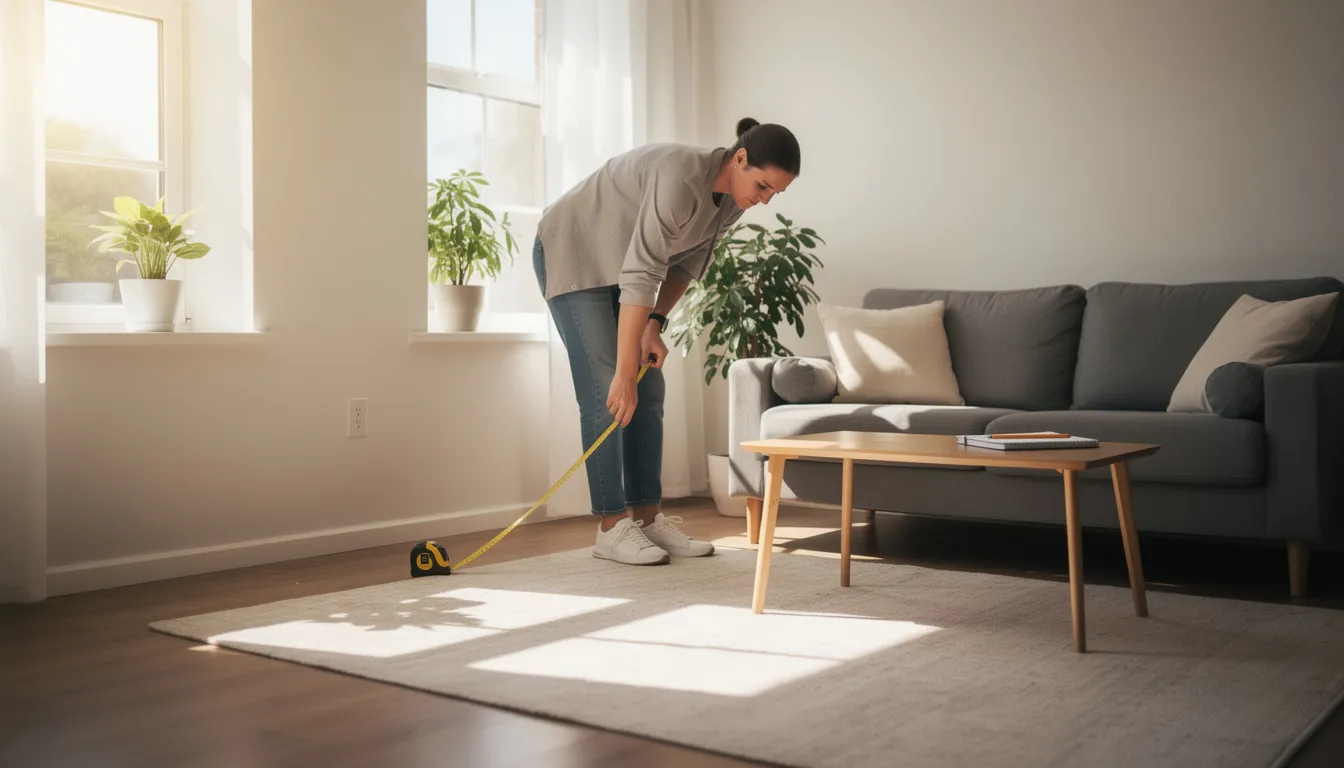
Next, measure your room in centimetres. Note window positions, door swings, power outlet locations, and any existing built-ins or architectural features. Also, consider ceiling features such as high-ceiling storage or multiple ceiling levels, which can help define zones or provide valuable storage space.
Sketch a simple floor plan on A4 paper or use a free online room planner. This doesn't need to be architectural—just a rough layout showing walls, doors, and windows. Then you can experiment with furniture placement before committing. You can also visually separate a dining room from the living area by using architectural features such as a raised floor, steps, or a change in ceiling height or finish.
Once you know what your room needs to do, the next step is to create distinct zones for each function.
Zone the Room: Create Distinct Areas Without Walls
Zoning is the fastest visible change you can make to a small room, and it should happen before you buy any new pieces. Creating defined areas for different activities can enhance organisation in a small living room. When you create zones within a single space, research suggests perceived spaciousness can increase by 20–30% because the brain processes segmented areas as more organised.
Use Rugs to Define Areas
A well-placed rug instantly signals "this is the lounge zone." A 160 x 230 cm rug anchoring your sofa and coffee table creates a cohesive conversation area. Add a smaller flat-weave rug under a desk or in a kids' play corner to define secondary zones without visual clutter.
Let Furniture Do the Dividing
The back of your sofa is an underrated room divider. Position it facing away from your work area to create psychological separation without losing floor space. A slim console table (around 30–35 cm deep) placed behind the sofa can hold a lamp or books, or serve as a standing desk surface, while visually separating functions.
Layer Lighting for Different Zones
At night, the right lighting transforms a multi-purpose room. Use floor lamps and table lamps to create "pools" of light that signal different activities. A reading lamp by the sofa, a task lamp on the desk, and ambient light near the dining space help each zone feel intentional.
Consider Portable Room Dividers
For renters who can't alter walls but want a semi-private work area or guest room, open shelving units or folding screens work brilliantly. Choose open-backed shelves rather than solid bookcases—they divide the space without blocking light or making it feel dark.
By establishing clear zones, you set the stage for choosing furniture that supports each area's function.
Creating an Open Plan Living Area
In a tiny house or small living room, adopting an open-plan layout is a clever way to make every square metre count. By combining your living room, dining area, and even kitchen into one cohesive living space, you create a sense of flow and openness that makes your home feel much more spacious than its floor plan suggests.
To make the most of your open plan living area, start by defining zones for different activities. Room dividers, such as lightweight shelving units or even stylish curtains, can help create subtle boundaries between your lounge, dining area, and workspace without closing off the room. This approach allows you to enjoy the flexibility of a large, multifunctional living area while still giving each zone its own identity.
Multifunctional furniture is your best friend in an open plan layout. Multifunctional furniture enhances utility in compact living rooms. Multifunctional furniture helps maximise space in small living rooms. A sofa bed, for example, does more than one job—serving as comfortable seating by day and transforming into a guest room at night. Pair it with a coffee table that offers hidden storage to keep clutter at bay, and add a side table for extra practicality. These pieces help you maintain a functional, inviting layout, no matter how many activities your living area needs to support.
When planning your open-plan space, consider how you move through the room. Arrange your sofa and dining table to encourage easy flow, and use rugs to anchor each zone visually. The result? A dream living room that feels welcoming, organised, and ready for anything—whether you're hosting friends, working from home, or simply relaxing with family. With the right design ideas and a few smart investments, your tiny home can feel as spacious and stylish as any larger house.
With your zones established, it's time to select furniture that serves multiple purposes and adapts to your needs.
Selecting Furniture for Multiple Functions
In a small living room, every piece of furniture should ideally do more than one job. This isn't about cramming more stuff in—it's about choosing smarter pieces that earn their floor space. Multifunctional furniture is essential in a stylish multi-use living room design.
Sofa Beds and Modular Sofas
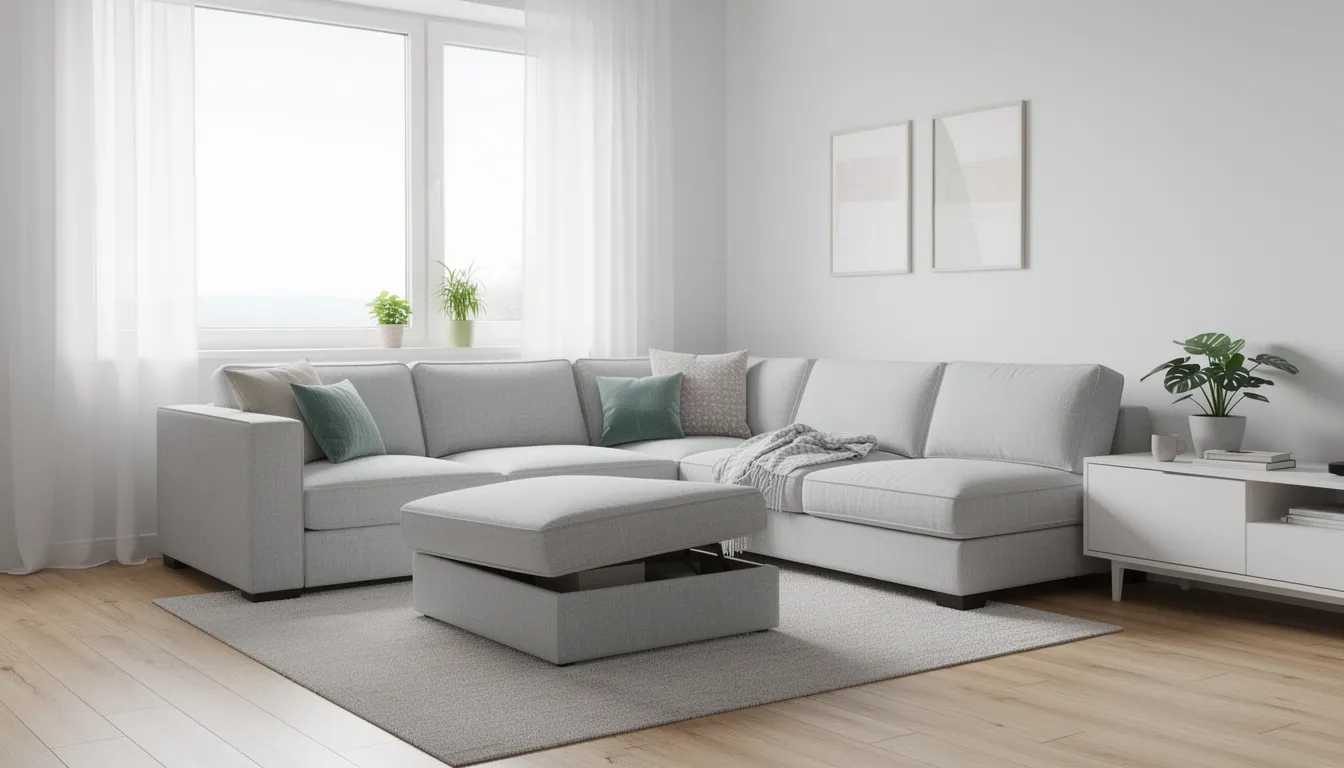
A quality sofa bed transforms your lounge into a guest room within minutes. Modern mechanisms can convert a 180cm sofa into a comfortable sleeping surface in under 60 seconds. Modular sofas with storage chaises offer hidden compartments for bedding, board games, or seasonal items while providing flexible seating configurations. Using modular furniture can help maintain a clutter-free and adaptable living space.
Storage Ottomans and Nesting Coffee Tables
A storage ottoman might be the hardest-working piece in any small home. It serves as extra seating, a footrest, a laptop perch, a coffee table, and hidden storage for toys, blankets, or craft supplies. Some models hold up to 10 cubic feet of items and look like stylish accent pieces.
Nesting coffee tables give you surface space when you need it and disappear when you don't. Pull them apart for entertaining; stack them for movie night.
Compact Desks
Wall-mounted or fold-down desks (around 80–100cm wide) provide a dedicated workspace without permanently claiming valuable real estate. When closed, they function as a console table or disappear entirely against the wall. This is essential for anyone who needs a home office but doesn't want to stare at a desk while trying to relax.
The Upinteriors Approach
At Upinteriors, our focus on modern, low-profile furniture keeps sightlines open while delivering hidden storage and flexible layouts. Raised legs on sofas and armchairs show more floor underneath, making rooms feel more spacious. Clean lines and streamlined silhouettes mean pieces look good from every angle—important when your sofa is also your room divider.
With the right furniture in place, the next step is to maximise storage without making the room feel crowded.
Maximise Storage Without Crowding the Room
Clutter is the enemy of multi-purpose living. When every surface is covered with work papers, toys, and random stuff, it's impossible to switch between functions mentally. Your living room can't feel like a calm lounge if it looks like a storage unit. Smart storage solutions keep small living rooms clutter-free and organised.
Go Vertical
Vertical space is the most underutilised real estate in small homes. Wall-mounted shelves above the sofa, tall bookcases reaching 210–230cm, and floating TV units free up valuable floor space. Vertical storage solutions can help keep the floor clear and maximise space in a small living room. Using vertical space for storage can significantly increase storage capacity in small living rooms. Research shows that maximising floor visibility can make a room feel up to 25% larger. Utilising vertical space can create up to 30% more storage without wasting floor space.
Hidden Storage Opportunities
Look for storage where you least expect it:
-
Under-sofa baskets: Great for throws, toys, and magazines; frees up the coffee table.
-
Window bench with storage: Perfect for blankets and board games; can replace an armchair.
-
Sideboard behind sofa: Store tech and dining items; creates a functional divider.
-
Storage bed frame: Ideal for guest bedding and seasonal items; eliminates linen closet overflow.
Incorporating built-in storage solutions can enhance the functionality of a multi-use living room.
Balance Open and Closed Storage
Closed storage (cabinet doors) is essential for messy items—remotes, cables, kids' craft supplies. But a few open shelves add personality. Style them with books, plants, and decorative pieces to make your room feel curated rather than clinical.
Create a Drop Zone
Keep the chaos contained with a small console table near the entry. A tray for keys, hooks for bags, and a basket for mail keep everyday items out of your living area. This simple addition can make the entire room feel tidier.
By maximising storage, you keep your living room organised and ready to support multiple activities. Next, let's look at how natural light can further enhance your space.
Utilising Natural Light to Enhance Small Spaces
Natural light is one of the most powerful tools for making a small space feel bigger, brighter, and more inviting. In a tiny house or compact living room, maximising natural light can completely transform the atmosphere, turning a cramped area into a spacious and uplifting living space.
Make the Most of Windows
Start by making the most of your windows. Large windows and glass doors allow sunlight to flood your tiny home, instantly making the room feel more open. If you have the option, consider installing sliding doors or even skylights to bring in additional daylight and create a seamless connection between your indoor and outdoor spaces. Position your furniture—such as your sofa or dining table—near these light sources to maximise the natural glow.
Choose Airy Window Treatments
Choose light, airy window treatments such as sheer curtains or blinds that let sunlight filter through while still providing privacy. Avoid heavy drapes that can make a small room feel dark and closed in. Mirrors are another cost-effective design idea: place them opposite windows or glass doors to reflect light around the room, creating the illusion of more space and depth.
Add Plants for Vibrancy
Don't forget to add plants to your living space. Not only do they improve air quality, but they also bring a sense of life and vibrancy to your small home. A few well-placed plants can make your living area feel fresh and welcoming while enhancing your interior design.
By focusing on natural light, smart furniture placement, and a few thoughtful decor choices, you can create a functional, cost-effective, and spacious-feeling living space—no matter how small your house or apartment is. With these ideas, your tiny home will feel brighter, healthier, and more like the dream living room you've always wanted.
With your space feeling brighter and more open, it's time to use colour, light, and décor to enhance the sense of spaciousness further.
Use Colour, Light, and Décor to Open Up the Space
Visual tricks can make a multi-purpose room feel larger and calmer, even when it's working overtime. The right colour palette, lighting, and decorative choices create breathing room where square metres can't.
Start with a Light, Neutral Base
Light neutral palettes can make rooms feel up to 15% larger optically. Opt for whites, creams, pastels, or soft greys for walls, ceilings, and floors to brighten your interior. Choosing a light ceiling finish can reflect more light, making the room feel taller and more open. Warm white walls, a light grey or oatmeal sofa, and natural timber tones reflect natural light and create a sense of openness. This doesn't mean boring—it means strategic. Your largest pieces become a backdrop for personality.
Layer in Colour Through Accessories
Add bolder accents through cushions, throws, and wall art that can be swapped seasonally without overcrowding. This approach lets you refresh your room's mood without replacing expensive furniture. A few well-chosen pieces from Upinteriors' wall art collection can transform a neutral room.
Mirrors Are Your Secret Weapon
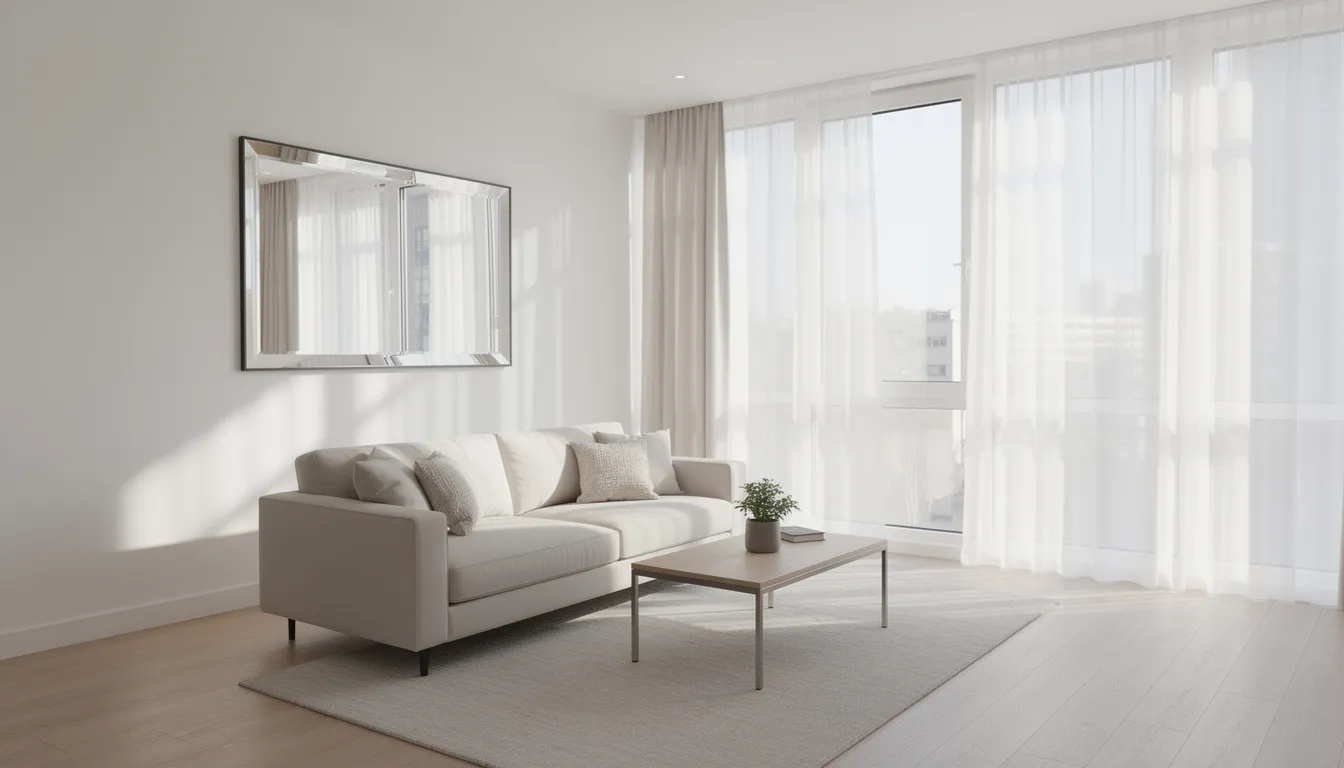
Position mirrors opposite or adjacent to large windows to bounce daylight deeper into the room. This creates the illusion of more depth and can make a small room feel nearly twice as spacious. A large leaning mirror against a wall also draws the eye upward.
Let in the Light
Choose slimline curtains or sheer blinds that let natural light flood in during the day while still offering privacy at night. Avoid heavy, dark window treatments that absorb light and make spaces feel smaller. If privacy isn't a concern, consider glass doors or keeping curtains pulled back during daylight hours.
Be Strategic with Dark Colours
Dark colours aren't off-limits in a small room, but use them thoughtfully. Dark colours make spaces feel more enclosed, so they should be used sparingly in small rooms. One deep-toned feature wall or a dark media unit can help your TV "disappear" into the background. Balance darker accents with plenty of lighting and keep larger pieces like your sofa and rugs in lighter neutrals.
With your living room visually expanded, the next step is to design for work, play, and relaxation—all in one space.
Design for Work, Play, and Relaxation in One Room
Most small living rooms today need to support different activities simultaneously—or at least transition smoothly between them throughout the day. Approximately 40% of urban dwellers now work from home at least part-time, making a home office non-negotiable for many.
Create a Compact Work Zone
A dedicated work area doesn't require a dedicated room. A wall-mounted desk, an ergonomic but visually light chair, a task lamp, and good cable management can create a functional home office in under a square metre of wall space.
Position your desk to face the wall rather than the room to minimise distractions during work hours. Choose a chair that moves easily to serve as extra guest seating when you're off the clock.
Set Up a Flexible Play or Hobby Area
Kids' toys and craft supplies have a way of taking over entire rooms. Combat this with:
-
Lidded baskets that hide toys when not in use
-
A foldable play mat that rolls up in seconds
-
A storage ottoman dedicated to craft supplies or building blocks
-
Low open shelves that let kids access their own things
The goal is quick pack-down. If tidying up takes more than five minutes, it won't happen consistently.
Keep Entertainment from Dominating
A TV doesn't need to be the room's focal point. Use a low media unit to keep the screen at a comfortable height without dominating wall space. Wall-mounted TVs free up surface space below. Hide cables with cord covers or conduit for a cleaner look.
Establish an Evening Reset Routine
This is the practical habit that makes multi-purpose living actually work. Spend 10 minutes at the end of each day putting work gear and toys into their dedicated storage spots. Close the laptop, stow the desk chair, and clear the coffee table. Your room shifts back to "calm lounge" mode, and you can actually relax.
With your living room set up for all aspects of daily life, you can now focus on styling and personalising your space.
Styling a Multi-Purpose Living Room with Upinteriors
Creating a functional and stylish multi-purpose living room doesn't require a complete overhaul. At Upinteriors, we provide modern, affordable, and locally focused furniture and decor specifically suited to small Australian spaces.
Example Mini-Makeover
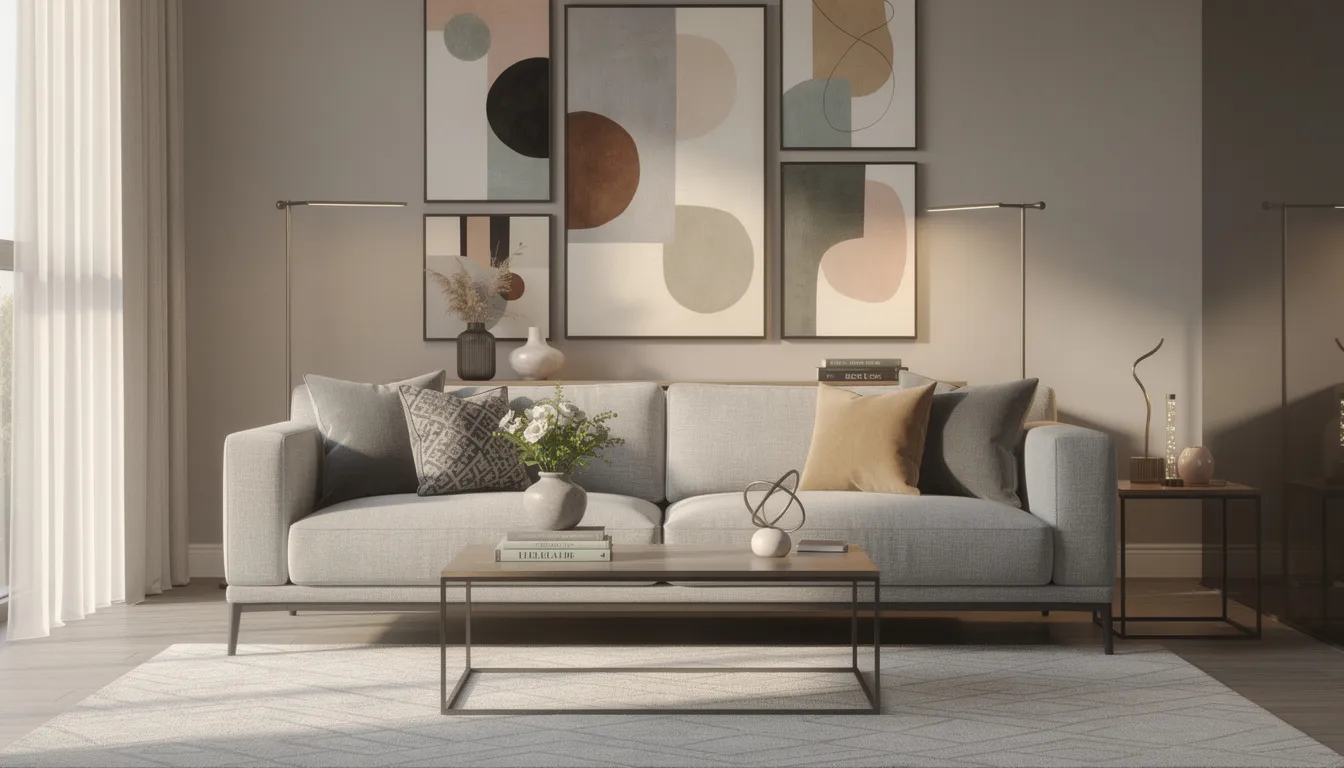
Consider swapping a bulky three-seater sofa for a streamlined sofa bed with clean lines and raised legs. Add a storage ottoman that doubles as a coffee table and extra seating. Layer in new wall art, cushions, and a textured throw to create visual interest without adding clutter.
Key Categories to Explore
|
Category |
Small Space Benefit |
|---|---|
|
Modular sofas |
Reconfigure for different uses |
|
Console tables |
Define zones, add surface space |
|
Wall art |
Add personality without floor space |
|
Nesting tables |
Flexibility for entertaining |
|
Storage benches |
Seating plus hidden storage |
Shop Smart Online
One advantage of shopping with Upinteriors is that all dimensions are clearly listed. This is crucial for compact apartments where every centimetre matters. Measure your doorways, lift access, and available floor space before ordering—our product pages give you the exact specifications you need.
Start Small, Scale Up
You don't need to replace everything at once. Begin with one or two key upgrades—perhaps a multifunctional sofa and a vertical storage unit—and see how they transform your daily routine. Once you've experienced the difference that well-chosen furniture makes, you can add complementary pieces over time.
With your living room styled and organised, let's summarise the key steps to creating a multi-purpose living room in small homes.
Summary Checklist: How to Create a Multi-Purpose Living Room in Small Homes
Follow these actionable steps to transform your small living room into a flexible, stylish, and highly functional space:
-
Define Your Needs
-
List all the activities your living room must support (e.g., work, relaxation, dining, play, guests).
-
Prioritise your top 2–3 essential functions.
-
-
Plan Your Layout
-
Measure your space and sketch a simple floor plan.
-
Identify the location of each activity zone.
-
-
Create Zones
-
Use rugs, lighting, and furniture placement to define areas for different activities.
-
Remember: Creating defined areas for different activities can enhance organisation in a small living room.
-
-
Choose Multifunctional Furniture
-
Select sofa beds, modular sofas, storage ottomans, and nesting tables to maximise utility.
-
Multifunctional furniture enhances utility and helps maximise space in compact living rooms.
-
-
Maximize Storage
-
Use vertical storage solutions (shelves, tall bookcases, wall-mounted units) to keep the floor clear and increase capacity.
-
Incorporate hidden storage (under-sofa baskets, storage benches, sideboards) to keep clutter at bay.
-
Smart storage solutions keep small living rooms clutter-free and organised.
-
-
Utilise Natural Light and Mirrors
-
Position furniture near windows and use sheer curtains to let in light.
-
Add mirrors to reflect light and create a sense of spaciousness.
-
-
Style with Light Colours and Accessories
-
Use a light, neutral base for walls and large furniture.
-
Add personality with colourful cushions, throws, and wall art.
-
-
Establish Daily Habits
-
Set up a drop zone for everyday items.
-
Create a quick reset routine to keep the space tidy and ready for any activity.
-
By following these steps and focusing on multifunctional furniture, zoning, and smart storage solutions, you'll create a multi-purpose living room that feels spacious, organised, and ready for anything.
Conclusion: Turn One Room into Many
A small living room doesn't have to feel limiting. By planning clear zones, choosing multifunctional furniture, and controlling clutter, you can transform a single compact space into a flexible hub that seamlessly handles work, play, hosting, and relaxation.
The goal isn't to cram more in—it's to make each piece and each corner work harder and feel intentional. When your sofa converts to a bed, your ottoman hides toys, and your desk folds against the wall, you're not living in a tiny home. You're living large in a smart one.
This weekend, measure your room, define your top three functions, and shortlist a few multifunctional pieces that could make all these things possible. At Upinteriors, our small-space-friendly collections include everything from living room furniture to home office solutions and storage pieces designed for Australian apartments. Explore our range online and start your transformation today.
FAQ
How do I fit a home office into a very small living room?
A wall-mounted or narrow desk, approximately 40–50cm deep, placed behind the sofa or along an unused wall often works better than a traditional bulky desk. Choose a lightweight, armless chair that can double as extra guest seating when you're not working. Use vertical wall storage—shelves or pegboards—above the desk to keep paperwork and tech off the floor and coffee table. This setup can create a fully functional workspace in under one square metre of floor space.
What size sofa is best for a small multi-purpose living room?
Look for 2–2.5 seater sofas or compact modular options under about 210cm wide. Sofas with raised legs show more floor underneath, creating the illusion of more space. A sofa bed or chaise with storage offers significantly more value than an oversized three-seater that only seats one or two people most of the time. Always measure doorways and lift access before ordering any large furniture online—this simple step prevents costly delivery headaches.
How can I host overnight guests in a small living room?
Invest in a quality sofa bed with a supportive mattress mechanism, or consider a stylish daybed that can be dressed with full bedding at night. Keep guest bedding (pillows, doona, sheets) in a storage ottoman or under-sofa drawer so setup takes only a few minutes. Add a small side table or console near the sleeping area to serve as a temporary nightstand with a lamp and a charging point. Your guests will be comfortable, and you won't sacrifice your living room's everyday function.
How can I prevent my multipurpose living room from feeling cluttered?
Establish a daily reset routine of 5–10 minutes at the end of each day to return work items, toys, and hobby supplies to closed storage. Limit open shelving to a few styled pieces—books, plants, decorative objects—and rely on cabinets, baskets, and storage benches for everything else. A seasonal declutter every six months helps you donate or relocate items that no longer belong in your main living area. Consistency matters more than perfection.
Can I use dark colours in a small living room?
Yes, dark colours can work in small living rooms when used thoughtfully. Consider a single deep-toned feature wall or a dark media unit to help your TV visually recede into the background. Keep larger pieces, such as sofas and rugs, in lighter neutrals, and balance dark accents with ample natural light and strategic lamp placement. Using darker hues primarily in accessories—cushions, throws, artwork—gives you the flexibility to swap them out if the room feels too heavy.