
Key Takeaways
-
Storage beds typically win for small Australian bedrooms under 10m², potentially replacing a chest of drawers and freeing 1–2m² of valuable floor space.
-
Regular beds are lighter, cheaper upfront, and easier to move—ideal for renters who relocate often or already have built-in wardrobes.
-
At Upinteriors, we recommend storage beds for studio apartments, kids' rooms, and compact guest rooms; regular beds suit larger master bedrooms with good wardrobe space.
-
Ottoman beds work best in narrow rooms where drawer clearance is limited, while chest of drawer storage beds suit rooms with at least 60–80cm of side space.
-
Your choice ultimately depends on room size, existing storage, lifestyle, and how long you plan to stay in your current home.
Introduction: Why Your Bed Choice Matters in a Small Room
In typical Australian apartments built in the 2020s, bedrooms often measure around 2.4m x 3m—just 7.2 square metres, with the bed alone occupying 30–40% of the floor. That leaves precious little room for wardrobes, desks, or simply walking around. When considering storage beds vs. regular beds for small spaces, your decision can significantly impact how functional and clutter-free your bedroom feels.
In small spaces, choosing between a storage bed and a regular bed determines whether you're constantly battling visual clutter or enjoying a calm, functional bedroom. This guide from Upinteriors will help you decide which bed type suits your room size, storage needs, and budget.
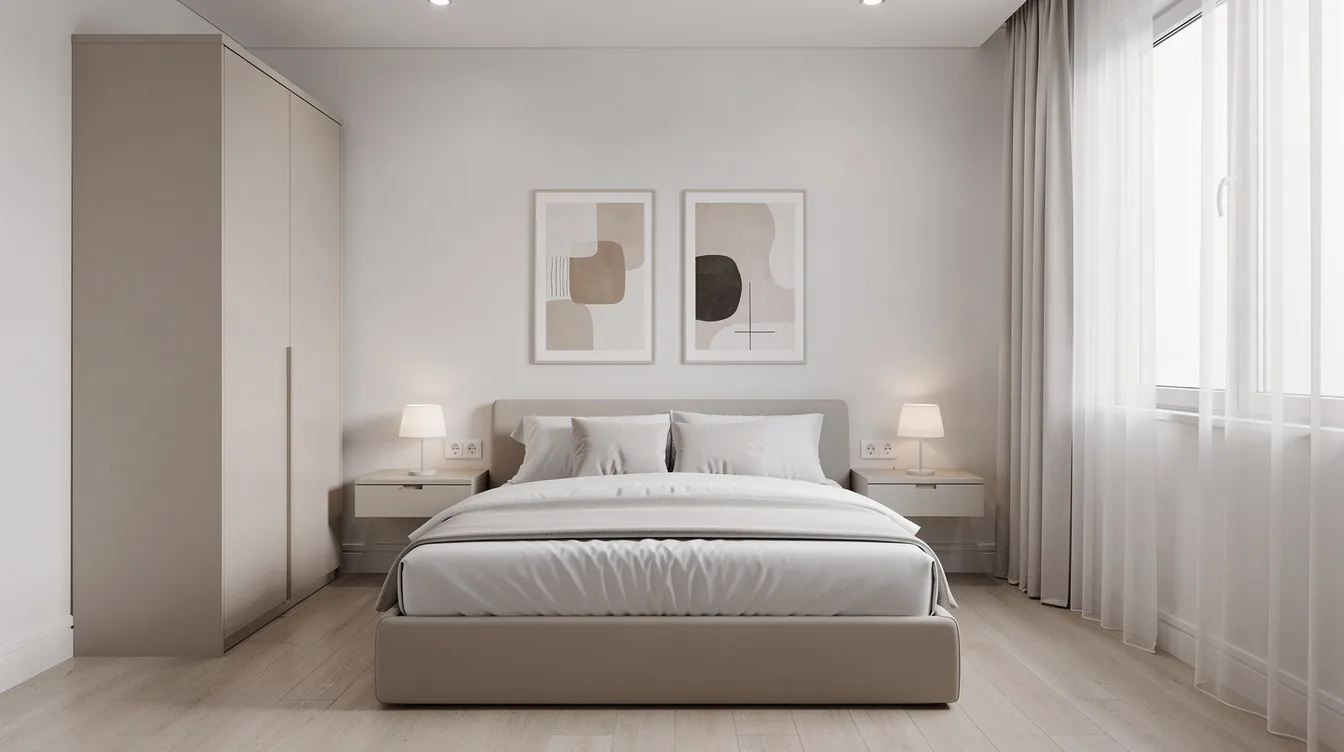
What Is a Storage Bed? (With Small-Space Examples)
A storage bed is a bed frame with built-in storage beneath the mattress—typically drawers, a gas-lift ottoman base, or platform cubbies. Storage beds are designed with built-in compartments, drawers, or hidden cavities to provide additional storage space beneath the mattress, making them a practical choice for maximising space in small bedrooms. Storage beds are designed with built-in compartments, drawers, or hidden cavities to provide additional storage space beneath the mattress, making them a practical choice for maximising space in small bedrooms. These designs convert unused space into organised compartments for bulky items like spare bedding, winter clothes, and suitcases.
Ottoman storage beds can lift to 1.7 metres, providing significant storage capacity for larger items like suitcases and winter clothes, which is particularly beneficial in small living spaces.
Common types for small rooms include:
-
Drawer storage beds: Side-mounted storage drawers for frequently accessed items
-
Ottoman beds: Hydraulic lifts that raise the entire sleeping surface for full-depth hidden storage
-
Platform beds: Low-profile frames with integrated shelves or built-in compartments
A queen ottoman bed can typically hold multiple 60L storage boxes of seasonal clothing and bedding. At Upinteriors, our storage beds feature modern, low-profile silhouettes designed to avoid looking bulky in compact spaces.
What Is a Regular Bed? (And Why People Still Choose Them)
A regular bed is a standard bed frame without integrated storage—typically a slatted or solid base with open frames underneath or simple legs. Regular beds prioritise simplicity and design, often featuring an open frame or a simple wooden bed frame that complements a minimalist aesthetic in bedroom decor. These range from minimalist timber frames to upholstered beds with headboards but no drawers or lift mechanisms.
With non-storage beds, you handle storage needs through separate storage furniture: wardrobes, tallboys, bedside tables, and under-bed storage tubs.
Why do people still choose them for small bedrooms?
-
Lower cost upfront
-
Lighter weight for easier moving
-
Faster assembly
-
Better suited to narrow hallways and older Australian terraces
-
Works well when built-in wardrobes already provide enough space
A traditional bed isn't inherently bad for small rooms—it simply requires more careful planning of your bedroom space.
Space Efficiency: Which Bed Type Actually Frees Up Floor Area?
Small bedrooms must balance bed size, walking circulation, and storage furniture. Here's where storage beds shine: they can replace a separate chest of drawers, freeing around 0.8–1.5m² of floor space—critical in studio apartments and compact second bedrooms. Storage beds can save approximately 20-25 square feet of floor space compared to standard beds with separate storage furniture, making them ideal for homes under 100 square metres.
A bed with storage consolidates sleeping and storage along one wall, making tight rooms feel less cluttered. Compare this to a standard bed plus extra furniture taking up walkway space in an already cramped room.
|
Type, FloorUnder-Bed Volume vs Walkway Space |
|---|
Both bed types offer similar under-bed volume, but storage beds convert 80–100% of this into organised, accessible extra storage space. Poorly managed storage boxes under a regular bed can block airflow and make cleaning difficult.
Drawer storage beds require sufficient side clearance to open fully, usually at least two feet, which may not accommodate very tight spaces.
Key considerations:
-
Drawer-based beds need 60–80cm clearance on one or both sides to operate.
-
Ottoman beds lift upwards—perfect when the bed sits against walls.
-
Aim for 60–90cm walking clearances around your bed.
-
Many Upinteriors queen gas-lift frames work even with minimal side clearance.
Decluttering, Organisation, and Everyday Living
Clutter is the enemy of small bedrooms—especially in share houses and family homes with limited closet space. Storage beds provide a dedicated home for seasonal items, spare bedding, off-season clothes, extra pillows, and kids' toys.
The design of storage beds often includes built-in compartments or drawers, which not only serve a functional purpose but also contribute to a cleaner, more organised aesthetic in the bedroom.
Storage beds help declutter bedrooms by providing built-in storage for items like seasonal clothing and extra bedding, reducing the need for additional storage furniture.
Keeping these items inside the bed rather than scattered around the room reduces visual clutter and makes the bedroom feel larger. With a regular bed, people often pile things on wardrobes, stack storage boxes in corners, or stash items loosely underneath—making cleaning harder and the room more chaotic.
How Often You Access Stored Items
Your ideal bed depends on access frequency:
|
Pattern: Best |
Best Storage Solution |
|---|---|
|
Daily (jeans, activewear, everyday items) |
Storage drawers that slide out easily |
|
Weekly/monthly (seasonal clothes, seasonal clothing, spare doona) |
Ottoman beds with hydraulic lifts |
|
Rarely (luggage, winter quilts) |
Under-bed tubs work, but storage beds still win for tidiness |
Before deciding, list what you'd actually store. If your wardrobe is full and you have nowhere to store spare linen, a storage bed will likely be a game-changer.
Style, Comfort, and Aesthetics in a Compact Bedroom
Design matters even in small rooms. A bulky-looking bed can make a 9–10 m² room feel cramped, regardless of its storage capacity.
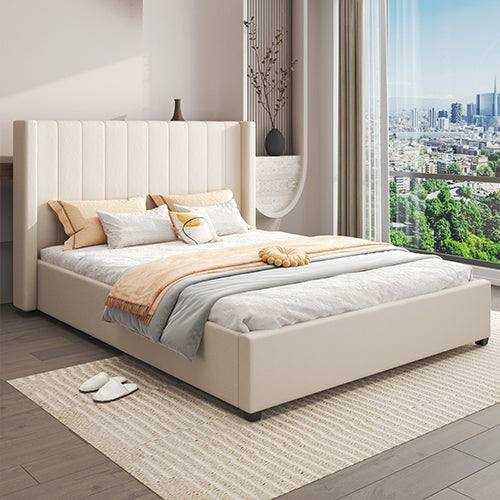
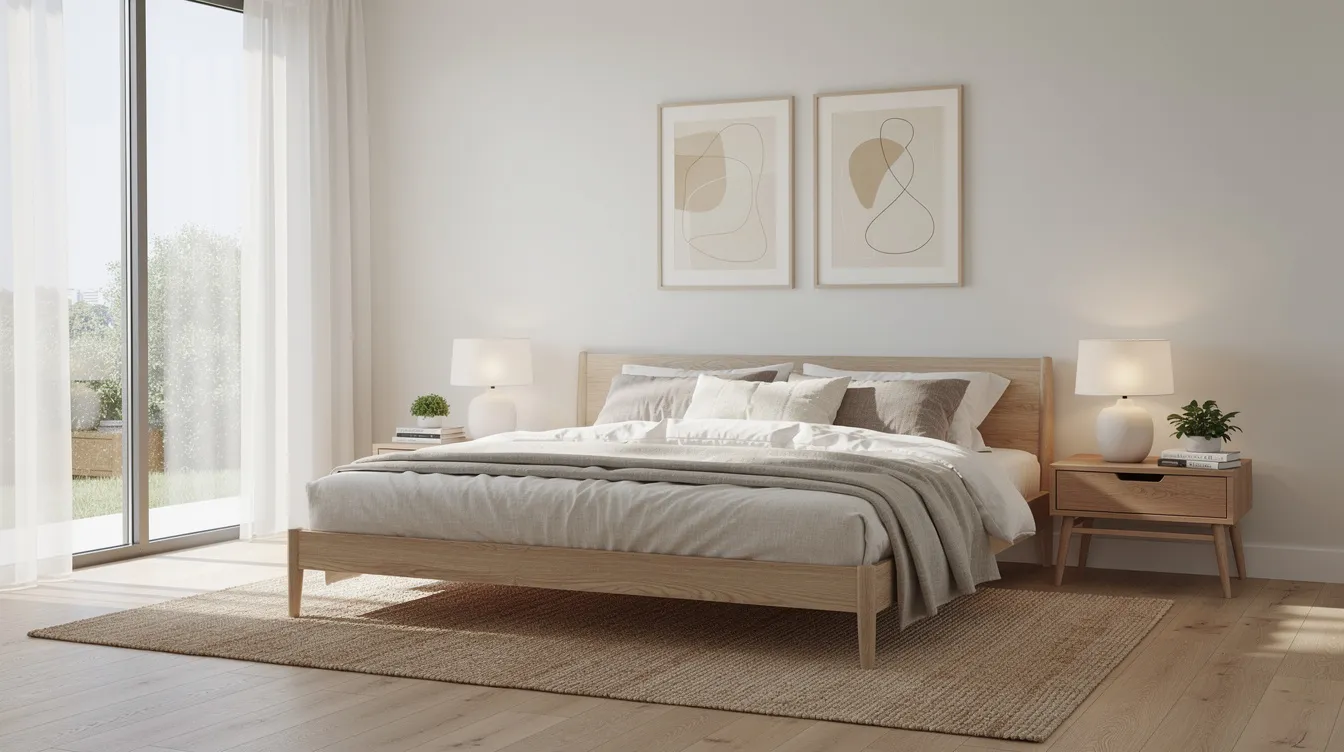
Modern storage beds from Upinteriors use slim side rails, low profiles, and streamlined upholstery to avoid looking like heavy boxes. They create a grounded, hotel-like aesthetic with no visible legs. Regular beds with slender, open frames make the floor visible, helping the room appear airier.
Storage beds are available in various styles, including modern platform beds and elegant solid-wood designs, making them suitable for different aesthetic preferences in bedroom decor.
Importantly, there's no comfort difference between storage and non-storage beds when well-built—sleep quality depends on your mattress, not whether you have hidden compartments underneath.
Matching Your Bed to Your Interior Style
-
Storage beds shine in: Contemporary apartments, Scandi-inspired rooms, and Japandi interiors valuing clean lines and hidden storage.
-
Regular beds suit: Ultra-minimal or coastal looks where light, raised frames create a breezy atmosphere
Upinteriors offers coordinated collections—bed frames, side tables, and wall art—so you can create a cohesive look. Lighter fabrics and timber tones make both bed types feel less heavy in compact spaces.
Budget, Durability, and Practicalities for Renters and Owners
Storage beds generally cost more upfront due to mechanisms and materials—expect $800–$2,000 AUD for a queen versus $400–$1,000 for a simple frame. Storage beds typically cost 40-60% more than regular beds at the time of purchase, but they can lead to significant long-term savings by eliminating the need for additional storage furniture. However, buying a regular bed plus separate storage furniture often equals or exceeds the cost of a mid-range storage bed.
Key budget considerations:
-
Quality storage beds with reliable gas-lift hardware last 10+ years
-
Storage beds are heavier (80–120kg loaded vs 30–50kg for regular beds)
-
Storage beds are heavier and harder to move compared to regular beds, making them a significant consideration for renters.
-
Regular beds are easier to disassemble for renters moving every 1–3 years.
-
Long-term owners benefit most from integrated storage convenience
Maintenance, Cleaning, and Hygiene
Enclosed storage beds reduce dust build-up under the bed—helpful for allergy sufferers. Storage beds are designed to minimise dust accumulation beneath the mattress, often featuring sealed bottoms or drawers, which can be beneficial for individuals with allergies. You won't need to vacuum deep underneath; clean the accessible perimeter.
Regular beds with open under-bed space gather dust bunnies quickly, especially with pets or older carpets. If you hate crawling on the floor to clean or retrieve tubs, a proper storage bed offers a practical choice for everyday living.
How to Decide: Storage Bed vs Regular Bed for Your Small Space
Use this decision framework:
-
Measure your bedroom: Length, width, wardrobe doors, window positions, and door swing.
-
Audit your storage: Wardrobe capacity, linen overflow, hobbies requiring gear storage.
-
Consider lifestyle: How often you move, budget constraints, and long-term plans.
Storage beds are highly recommended for small apartments and bedrooms as they combine a bed with storage, reducing the need for additional bulky furniture.
General rule: If your room is under 10 m² and has limited wardrobe space, a storage bed will almost always be the right choice. Exceptions include rooms with floor-to-ceiling built-ins or renters who move frequently and prefer lightweight furniture.
Quick Scenarios (Who Should Choose What?)
|
Scenario |
Recommendation |
|---|---|
|
Inner-city renter, 3m x 2.6m bedroom, small robe |
Queen Ottoman storage bed |
|
Kids' room in suburban family home, toys everywhere |
Single storage bed to keep the floor clear for play |
|
Couple with built-in wardrobes, 3.5m x 3.5m master |
Regular upholstered bed for an airier feel |
|
Share-house, furniture moves between rooms |
Lighter regular bed plus portable storage units |
Upinteriors offers both storage and regular bed designs, so you can pick the perfect bed to match your specific situation.
Upinteriors Picks: Smart Bed Options for Small Australian Bedrooms
At Upinteriors, we've curated several styles that work brilliantly in compact spaces:
-
Queen gas-lift storage beds: Modern upholstered frames with slim sides and neutral fabrics—ideal for city dwellers in Sydney, Melbourne, or Brisbane apartments
-
Timber storage beds with side drawers: Suited to slightly wider rooms where drawer clearance exists alongside built-in robes
-
Minimalist platform beds: Slender legs, budget-friendly pricing, pair well with separate under-bed storage for rooms with generous existing storage.
-
King bed and super king options: Available for larger bedrooms where you want more storage without compromising on room size
We also offer complementary bedroom furniture—slim bedside tables, wall art, and compact dressers—so you can build a cohesive small-space look with Australian-wide delivery.
FAQ
These questions address practical concerns beyond the main comparison, focusing on issues specific to small Australian homes and rentals.
Do storage beds work with any standard Australian mattress?
Most modern storage beds, including those from Upinteriors, suit standard Australian mattress sizes (double, queen, king bed) and typical thicknesses (20–35cm). Always check weight limits for gas-lift models, but standard foam, hybrid, and pocket-spring mattresses are compatible. A good slat or platform base supports mattress performance just as well as any simple frame.
Is it bad feng shui to use a storage bed in a small bedroom?
Feng shui concerns centre on clutter disrupting rest and energy flow. A well-organised storage bed with soft, neutral items like spare linen and seasonal clothes is generally more acceptable than chaotic boxes under a regular bed. Avoid storing paperwork, electronics, or sentimental clutter underneath. Keep compartments tidy, and the practical benefits of reduced visual clutter typically outweigh theoretical downsides.
How much weight can a storage bed hold compared to a regular bed?
Quality storage beds handle the combined weight of the mattress, sleepers, and stored items safely—typically a static load of 300–500kg. Gas-lift mechanisms have rated lifting capacities that determine how easily the base raises. Avoid overloading drawers with extremely heavy items; they're designed for textiles and everyday belongings. Spread weight evenly across storage compartments.
Can storage beds be assembled and moved easily in apartments with tight stairwells?
Many modern storage beds ship flat-packed in multiple cartons, suitable for narrow hallways and lifts common in older Australian buildings. Assembly requires two people and takes 1–2 hours. Once assembled, storage beds are heavier and more cumbersome to move—build them where they'll stay. Upinteriors provides clear assembly instructions and dimensions so you can check access before ordering.
Are storage beds suitable for rental properties with limited built-in storage?
Storage beds are often ideal for rentals where adding permanent built-ins isn't an option. They add significant capacity without altering walls or fixtures—keeping landlords happy and bonds safe. Because the bed is tenant-owned, it moves with you to future homes. Choose neutral, versatile designs that work across various bedroom styles and room layouts.