Top Storage Bed Frame Queen Designs for a Clutter-Free Bedroom
Manish Chopra
What are Storage Beds?
A storage bed is a bed frame that features extra storage for your bedroom essentials, helping to keep clutter at bay.
Storage beds come in many styles, including gas lift storage beds, beds with storage, beds with built-in drawers, and ottoman beds.
They are space savers, perfect for small bedrooms or apartments.
Benefits of Storage Beds
Storage beds eliminate clutter and organise things.
They are a convenient and easy way to store bedding, clothing and personal items.
Storage beds are a space saver for small bedrooms or apartments.
They can also organise a more peaceful bedroom. When choosing a storage bed, consider the storage options to ensure it meets both function and style needs.
How to Choose the Right Storage Bed Frame
Measure your bedroom and the type of bed storage you need.
Choose a storage bed frame that matches your bedroom furniture style.
Look for a storage bed frame with built-in drawers or gas lift storage for easy access.
Check the material and finish of the bed frame to ensure it is durable and easy to clean.
Gas Lift Bed
Gas lift beds are storage beds that utilise a hydraulic system to raise the mattress, exposing the storage space underneath.
Available in double, queen and king sizes.
Ideal for small bedrooms or apartments with limited floor space.
This is for those who want easy access to storage without bending or lifting.
Storage Bed Frame
Storage bed frames are available in a variety of styles, ranging from modern to traditional.
Choose from a variety of materials, including wood, metal, and upholstered fabrics. They are available in queen, king, and twin sizes, allowing you to find the perfect one for your bedroom.
Consider a storage bed frame with a headboard or footboard for added style and functionality.
Look for a storage bed frame with built-in shelves or cabinets for added storage space.
Storage Bed Frame Materials and Finishes
Storage bed frames are available in solid wood, engineered wood and metal.
Choose from various finishes, such as stained wood, painted wood, and upholstered fabric.
Consider a storage bed frame with a durable and easy-to-clean finish.
Look for a storage bed frame with sturdy and stable construction.
Storage Bed Frame Sizes and Options
Storage bed frames are available in single, double, queen, and king sizes.
Choose from various options, such as storage beds with built-in drawers or gas lift storage.
Consider a split king or split queen configuration for more flexibility.
Look for a storage bed frame with an adjustable head and customised for comfort.
Storage Bed for Small Bedrooms
Storage bed frames, especially those with built-in storage, are ideal for small bedrooms or apartments with limited floor space.
Select a storage bed frame with built-in drawers or a gas lift for easy access to storage.
Consider a compact design and low profile.
Look for a space-saving configuration, a wall or a storage bed with a fold-down desk.
Storage Bed Frame Assembly and Care
Storage bed frames are easy to assemble and require low maintenance.
Select a storage bed frame with a simple and easy-to-follow assembly process.
Consider a storage bed frame with a durable and easy-to-clean finish.
Look for a storage bed frame with sturdy and stable construction.
Storage Bed Frame Warranties and Returns
Storage bed frames come with a warranty that covers defects and damages.
Choose a storage bed frame with a full warranty that covers parts and labour.
Consider a storage bed frame with a return policy that allows easy returns and exchanges.
Look for a storage bed frame with a customer service team that is responsive and helpful.
Storage Bed Frame Price
Storage bed frames are priced from affordable to luxurious.
Select a storage bed frame that suits your budget and meets your specific needs.
Consider a storage bed frame that offers competitive pricing and good value for money.
Look for a storage bed frame that offers a price match guarantee or a discount for bulk purchases.
Buying a Storage Bed Online
Research and compare storage bed frames online.
Read reviews and check the seller and product ratings.
Select a storage bed frame that suits your needs and budget.
Look for a storage bed frame with free shipping and returns.
Conclusion
Storage bed frames are perfect for cluttered bedrooms and small apartments.
They have extra storage space and keep things organised.
Select a storage bed frame that suits your needs and budget.
Look for a storage bed frame with built-in drawers or a gas lift storage mechanism.
Key Takeaways
Upinteriors furniture is considered ideal for modern homes due to its focus on multifunctional design, space-saving silhouettes, and a contemporary Australian aesthetic.
The collection emphasises neutral and natural tones such as dune beige, seafoam, and warm timbers, which fit coastal-inspired interiors and blend seamlessly with existing decor.
Many pieces feature built-in storage solutions, making them perfect for compact apartments in Sydney, Melbourne, and Brisbane, where space is at a premium.
By operating without traditional showroom overheads, Upinteriors prices its products 20-30% below those of traditional designers.
Upinteriors makes choosing furniture for modern homes easier by offering coordinated collections and practical features, helping you select pieces that create a cohesive and functional space without the need for an interior designer.
Introduction: Modern Homes, Modern Furniture
Australian living has shifted dramatically toward compact apartments, townhouses, and open-plan layouts. In cities like Melbourne and Sydney, average apartment sizes hover between 65 and 70 square metres, meaning every furniture choice carries weight. The demand for multifunctional furniture has increased as families juggle work-from-home setups, homework stations, and living areas that need to serve multiple purposes.
Choosing the right furniture is crucial as it reflects your personal style and creates an atmosphere that is both functional and aesthetically pleasing. Furniture plays a pivotal role in shaping the overall ambience of your home, serving as a means of self-expression and reflecting your personality and style preferences.
Upinteriors is particularly popular in Australian cities like Melbourne and Sydney for its stylish, practical solutions for urban living. As an Australian online furniture and homewares retailer, Upinteriors delivers modern design at accessible prices with quick nationwide delivery.
Modern homes need furniture that combines style, storage, and flexibility.
Open-plan living now accounts for 60% of new Australian builds.
This guide covers sofas, beds, dining sets, consoles, and wall art suited to contemporary life.
1. Contemporary Aesthetic That Fits Today's Australian Interiors
A cohesive style makes small spaces feel intentional rather than cluttered. Upinteriors emphasises a modern, minimalist aesthetic, focusing on compact, modular designs suitable for contemporary homes.
Clean lines and slim profiles: Low-profile modular sofas, Scandinavian-inspired oak dining tables, and minimal black-metal console tables create a sense of visual lightness.
Neutral palettes dominate: Whites, greys, oat, and charcoal make pieces easy to mix with existing furniture and wall colours.
Versatile styling: Modern furniture often features clean lines, minimalistic shapes, and a focus on simplicity, while incorporating different textures—such as fabrics, natural materials, and finishes—adds depth and tactile interest to modern interiors, creating a more inviting and layered space that elevates the overall aesthetic appeal of a home
Bright, airy imagery: Product styling showcases simple rugs, greenery, and contemporary wall art to demonstrate how pieces work together
Trend-proof investment: These neutrals work whether your taste leans coastal, Scandi, or industrial
2. Designed for Real Australian Living: Functionality and Space-Saving
Space constraints in city apartments make smart design elements essential. Modern furniture is designed with functionality and versatility in mind, often serving multiple purposes to optimise limited space.
Furniture is designed with visual lightness to make small rooms feel larger, utilising low-profile designs and raised legs. This creates more space underfoot and improves traffic flow through living areas.
Gas-lift storage beds: Hide winter doonas and suitcases in beds offering up to 1.2 cubic metres of hidden storage
Slim console tables: Double as desks for working from home in multi-use zones, and some pieces can also serve as a place to sit when needed, maximising space efficiency
Nesting side tables: Stack away when not needed in small living rooms
Flat-pack delivery: Easier access into lifts and tight stairwells common in inner-city buildings
Multifunctional furniture solves two challenges simultaneously by offering both practical use and storage, such as sofa beds that provide comfortable seating and sleeping options, or coffee tables with concealed storage compartments. This allows families to maximise their living space by combining seating, sleeping, working, and storage into single pieces.
3. Living Room Heroes: Sofas, Coffee Tables and Storage That Work Hard
The living room serves as the heart of contemporary homes—where families gather, guests are entertained, and remote work happens. Upinteriors' range addresses all these needs without sacrificing style.
Modular sofas in easy-care fabrics suit both compact units and larger open-plan spaces. A mid-grey modular can be reconfigured for movie nights or guest overflow, while boucle accent chairs add texture without bulk at under AUD 800. Upinteriors offers living room furniture in various sizes to accommodate both small apartments and larger homes, ensuring the perfect fit for any space.
Storage solutions include:
TV units with cable management keep technology visually tidy.
Sideboards with soft-close drawers for games and tableware
Lift-top coffee tables concealing remotes and magazines
Pairing furniture pieces with Upinteriors rugs and wall art creates a finished, magazine-worthy look without hiring an interior designer.
3.1 Sofa Styles That Suit Modern Homes
Different homes need different seating solutions. Modular sofas use interlocking steel frames that can be reconfigured to suit changing needs, ideal for growing families.
Compact 2.5-seaters: Sized for 60-80 sqm apartments without overwhelming the room
Larger modulars: Suit suburban family homes with more room to spread out
Neutral colours: Work as long-term investment pieces, surviving décor updates
Practical features: Firm-support seat cushions, deep seats for lounging, stain-resistant textured fabrics ideal for kids and pets
Modern styling: Layer with cushions and throws, pair with a simple timber table to reinforce the aesthetic
3.2 Smart Storage for Clutter-Free Living
Low-line TV units with internal shelving hide consoles, routers, and cords
Sideboards in oak, walnut-look, or matte white finishes store board games and paperwork
Vertical wall shelves and floating units free up floor space in smaller rooms
A clutter-free living room enhances the contemporary feel.
Organised spaces make small rooms feel 25% larger, according to design studies
4. Bedrooms That Feel Like a Boutique Hotel (Without the Price Tag)
Modern bedrooms should function as calm retreats. Upinteriors delivers hotel-like sophistication at roughly one-third of designer brand prices through thoughtful design rather than premium markups.
Upholstered bed frames: Soft neutrals create a focal point without visual heaviness
Timber platform beds: Classic design that suits various bedroom sizes
Gas-lift storage beds: Combine style with practicality for limited space
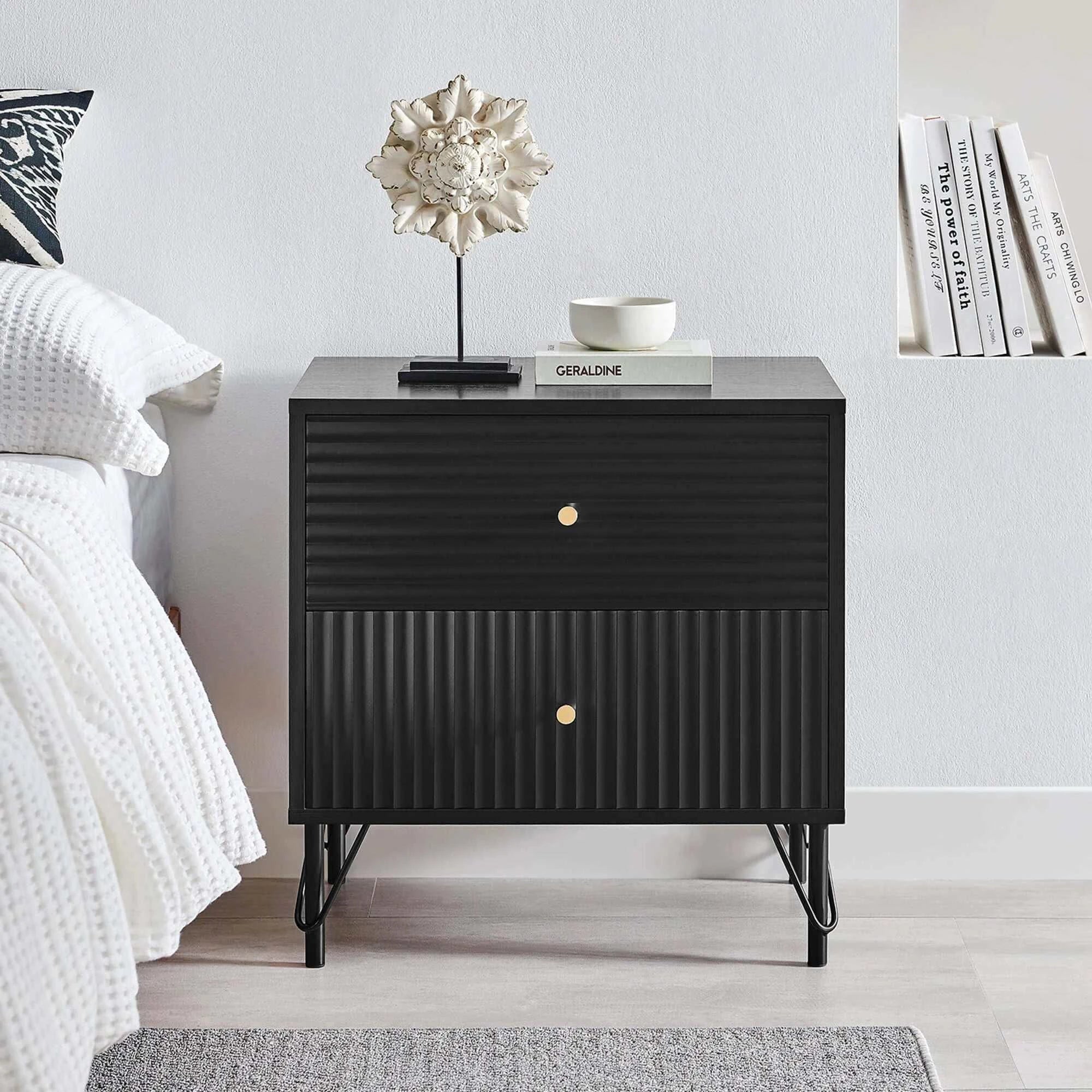
Built-in solutions: Drawers in bed bases, tallboys with smooth runners, bedside tables with concealed compartments
Style with layered linen bedding, simple bedside lamps, and framed wall art above the bed. Queen size beds and king size beds fit typical Australian bedrooms, while compact options work for guest and rental rooms.
4.1 Storage Beds and Wardrobe Alternatives
Gas-lift beds provide deep storage for suitcases, spare pillows, and out-of-season clothing—essential where built-in wardrobes are limited.
Drawer-base beds work where side clearance is easier than lifting a mattress.
These beds reduce the need for bulky wardrobes, keeping rooms open and airy.
Ideal for renters who cannot add built-in cabinetry but need organised storage
Flat-pack construction makes moving between rentals straightforward.
5. Dining and Work Spaces That Adapt All Week Long
The dining room now serves multiple purposes—home office by day, family meals in the evening, and entertaining on weekends. Furniture must handle this daily use gracefully.
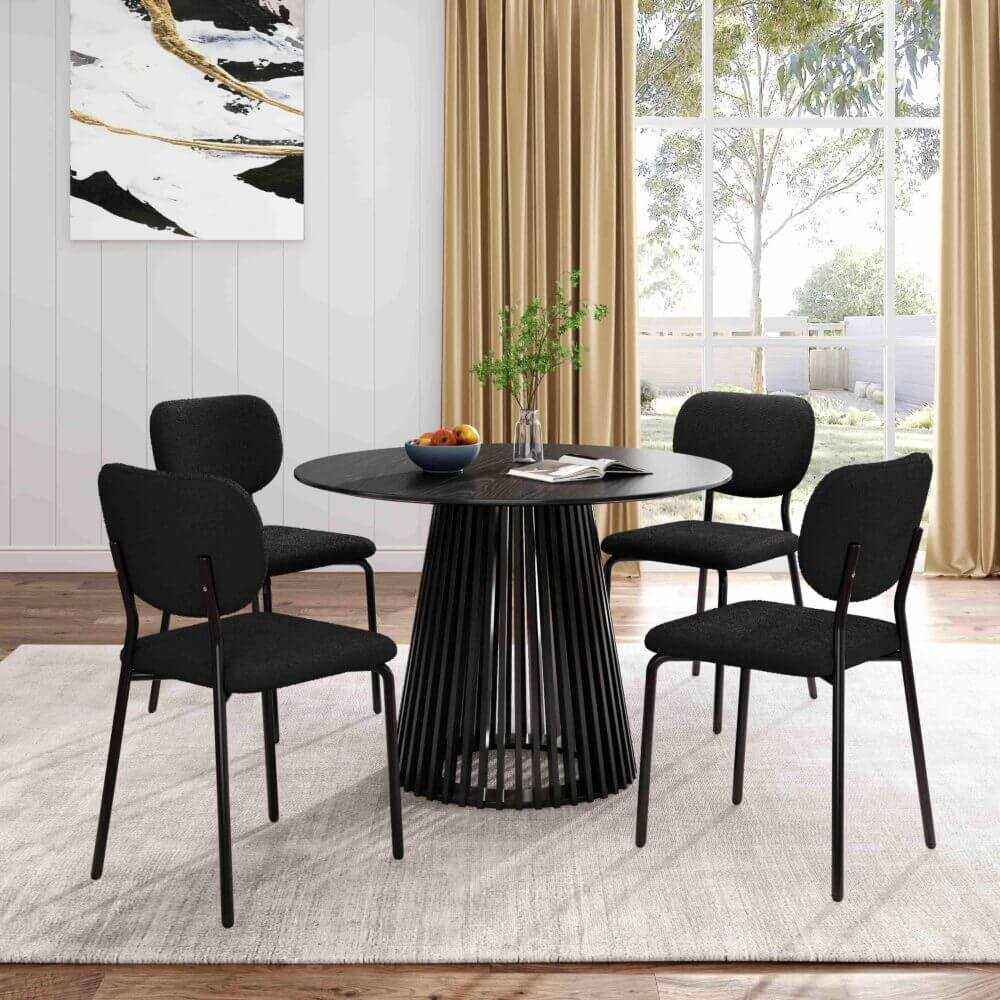
Modern dining tables range from compact 4-seaters for city apartments to larger extendable dining tables for family gatherings. Durable tabletop materials like engineered wood, veneer, and tempered glass handle laptops, meals, and kids' projects.
Slim-legged chairs and benches: Maintain a light, modern look while remaining comfortable for long sitting
Console tables: Function as desks by day and serving stations when hosting
Robust construction: Materials withstand the realities of household life
5.1 Extendable and Space-Savvy Dining Tables
Extendable tables allow everyday compact use and expansion for guests—perfect for smaller floor plans.
Round and oval options improve flow in tighter dining nooks.
Light-toned timber or white finishes keep spaces bright and visually larger.
Practical advice: Measure 90cm clearances around tables to ensure comfortable seating and walkway space
Extensions add up to 60cm, accommodating 2-4 extra guests when entertaining
6. Décor, Wall Art and Finishing Touches for a True Modern Look
Furniture sets the foundation, but decor completes the modern home feel. Accessories let you refresh a room's look without replacing big-ticket items.
Curated wall art: Abstract prints, coastal photography, and minimalist line art suited to contemporary spaces
Mirrors: Bounce light in smaller apartments, creating a sense of openness
Textured rugs: Zone spaces in open-plan layouts
Cushions and throws: Enable seasonal updates and personal taste expression
Picture the scene: a neutral sofa, timber coffee table, statement artwork above, and greenery in the corner. This cohesive approach to furnishing creates sophistication without complexity.
7. Built for Everyday Use: Quality, Comfort and Value
The brand focuses on creating furniture for 'real family life,' utilising materials designed for high-traffic use, as well as for children and pets. Upinteriors avoids fast furniture in favour of built-in furniture intended to last 7-10 years under daily use.
Furniture is constructed with kiln-dried hardwood frames, robust metal, and easy-clean fabrics, making it suitable for high-traffic households. Quality furniture should be designed to last, with attention to construction details such as joints and materials used, ensuring it withstands daily use and maintains its appeal over time.
Comfort features: Supportive plush cushions, ergonomic chair backs, mattresses compatible with Australian-standard bedding
Upholstery options: Include easy-clean finishes practical for households with pets and children, plus washable slipcovers on select pieces
Value proposition: Investing in modern furniture typically means choosing high-quality materials such as solid wood, metal, and durable fabrics, ensuring longevity
In 2026, multifunctional furniture is trending, combining durable, sustainable materials with adaptable designs, making it perfect for busy families seeking practical, space-efficient solutions.
7.1 Why Upinteriors Over Other Furniture Retailers?
Blend of aesthetics and budget: Modern style meets multifunctional design at accessible prices—furnish a full room under AUD 5000
Curated collections: Pieces across the living, dining, and bedroom work together stylistically
Australian focus: Sizing fits local homes, materials suit local climates, customer service operates in Australian time zones
Real scenarios: Whether furnishing a new-build townhouse or refreshing a rental, the range addresses actual Australian lifestyle needs
Online convenience: Regular promotions and nationwide delivery make online purchases simple
8. How to Choose the Right Upinteriors Pieces for Your Modern Home
When selecting furniture, consider factors such as size, scale, materials, and colour palettes to ensure each piece complements the existing decor and contributes to the desired aesthetic.
Assess each room's challenge: Lack of storage? Dated style? Poor layout? Uncomfortable seating?
Measure carefully: Include doorways and lifts to ensure sofas, beds, and dining tables fit.
Start with anchors: Choose a sofa, bed, or dining table in neutral tones first.
Add personality: Layer in wall art and décor accessories once foundations are set.
Use online filters: Sort by size, colour, material, and function to find the right furniture quickly.
The arrangement of furniture can profoundly shape a room's aesthetic appeal, optimising traffic flow and establishing focal points that draw the eye.
8.1 Styling Tips to Keep Your Modern Home Cohesive
Stick to 2-3 main colours plus one accent across the living, dining, and bedroom for visual flow.
Repeat materials (light oak, black metal, boucle fabric) in multiple rooms to unify the look
Balance closed storage with a few open shelves—prevent clutter while showing personality.
Edit down décor: fewer, larger statement pieces look more modern than many small items.
Let functional pieces like a stylish dining table or well-chosen chairs serve as room-shaping anchors.
Frequently Asked Questions (FAQs)
These FAQs address practical concerns about making Upinteriors work for your house and lifestyle.
Is Upinteriors furniture suitable for renters as well as homeowners?
Many Upinteriors pieces are compact, modular, and easy to move—ideal for renters relocating every 1-3 years. Non-fixed items such as console tables, wall-mounted mirrors, and freestanding shelves help modernise a space without drilling or renovation. Neutral, versatile minimalist designs move easily between properties, fitting various room sizes and layouts. Flat-pack delivery and lighter frames make access via lifts and stairwells straightforward in rental apartments across Australia.
How does delivery and assembly work for larger modern pieces like sofas and beds?
Most large items ship in multiple cartons to simplify handling and entry into apartments. Pieces come with clear assembly instructions, and basic tools (Allen key, screwdriver) are usually all that's required. Customers can typically assemble bed frames or dining tables within 1-3 hours without advanced DIY skills. Check individual product pages for specific assembly details, weight, and box dimensions before ordering.
Will Upinteriors furniture match my existing non-modern décor?
Simple, clean-lined pieces in neutral colours are deliberately chosen to complement a wide range of interiors. Pair a modern Upinteriors sofa or dining table with existing traditional or coastal items, then tie everything together with new cushions, rugs, or artwork. Start with one anchor piece and build gradually rather than replacing everything at once. The wall art and décor collections help bridge old and new for a considered transition.
How do I keep modern light-toned furniture looking good with kids and pets?
Opt for performance fabrics, mid-tone neutrals, and wipe-clean finishes in high-traffic family homes. Use throws on sofas, washable slipcovers where available, and easy-clean rugs under dining tables. Avoid delicate materials in play-heavy zones—choose robust options like metal and engineered timber instead. Making the right choice in materials means modern doesn't have to mean high-maintenance.
Can I furnish an entire room with Upinteriors without hiring a designer?
Upinteriors' collections are curated so pieces across living, dining, and bedroom naturally coordinate. Shop by collection, colour, or material on-site to quickly put together cohesive room schemes. Start with foundational items, then use mood boards or simple sketches to plan around them. The brand is built to help everyday Australians create a stylish, functional living space on their own, with online inspiration and product imagery as guidance.
Key Takeaways
Shop online first: Upinteriors and other online-only retailers offer modern, design-led sofa beds at 15-25% less than traditional showrooms, with metro delivery typically within 3-7 business days.
Budget realistically: Quality mid-range sofa beds in Australia range from $600 to $1,500 as of 2026, with options featuring premium materials, durable upholstery, and 5-10-year frame warranties.
Match mechanism to lifestyle: Pull-out designs suit regular overnight guests, clic-clac styles work for small space living, and modular options with storage solve open-plan challenges.
Prioritise frame and fabric: Solid timber or metal frames with sturdy construction outlast budget particleboard, while performance polyester handles busy households.
Know your protections: Australian Consumer Law, clear return policies, and manufacturer warranties from reputable retailers like Upinteriors ensure peace of mind when buying sight unseen.
Sofa beds are increasingly popular in Australia due to their versatility, serving as both seating and sleeping solutions essential for modern living spaces. Modern sofa beds have evolved significantly, offering improved comfort and aesthetics compared to older models, and are now designed to provide a good night's sleep for guests, making them a desirable choice for both homeowners and renters. Whether you need multifunctional furniture for a spare room, guest room, or studio apartment, finding the right balance between style, comfort, and price is entirely achievable in 2026.
Where to Buy Stylish & Affordable Sofa Beds in Australia
For Australians seeking the best sofa beds that combine modern design with competitive pricing, online retailers lead the way. Upinteriors stands out as an Australian online furniture store specialising in modern, design-forward, affordable sofa beds and living room furniture. Other buying channels include big-box stores for basic budget options and boutique showrooms for high-end customisations.
The market for sofa beds in Australia includes a variety of styles and sizes, catering to different needs from compact single beds to larger queen and king options. As of 2026, most metro areas receive deliveries within 3-7 business days from online retailers, with regional shipping extending to 10-14 days through partnerships with carriers such as Australia Post and Sendle.
The rest of this guide compares buying channels, explains how to judge value and style, and shows you how to pick the perfect sofa bed for different homes and budgets.
Why Choose Upinteriors for Your Sofa Bed
Upinteriors offers distinct advantages for Australians seeking a stylish sofa bed without luxury sofa-bed pricing. Here's why it works as a go-to destination.
Modern Design Focus
E-commerce furniture retailers in Australia often offer modern, stylish sofa beds that balance aesthetics and affordability. Upinteriors emphasises clean lines, neutral palettes like greys, beiges, and charcoals, and on-trend textures that suit contemporary Australian apartments. Modern sofa beds have evolved to offer stylish designs that seamlessly integrate into various home decors, providing both functionality and aesthetic appeal.
Competitive Price Positioning
Typical sofa bed prices at Upinteriors range from $550 to $1,300. Online-only operations eliminate the 20-40% markup that physical showrooms require for rent and staffing. Many pieces are designed or produced locally, supporting Australian makers while maintaining competitive pricing.
Practical Benefits
Flat-rate or tiered delivery across Australia
Clear shipping timeframes are displayed upfront.
Multiple payment options, including buy now, pay later via Afterpay or Zip.
5-10 year frame warranties on quality models
30-60 day change-of-mind return windows
Australian-based customer support via chat and email
Upinteriors' sofa beds offer high-quality construction, thoughtful design for modern interiors, and superior comfort, ensuring excellent value for every purchase.
Designed to ensure a great night's sleep for guests or everyday use, Upinteriors' sofa beds are crafted to provide comfort and support, so your guests or family enjoy a truly restful and rejuvenating sleep experience.
Sofa beds with easy mechanisms and hidden storage features are increasingly popular among Australian consumers for their functional designs, and Upinteriors' curated selection reflects these preferences.
Best Types of Places to Buy Sofa Beds (and How They Compare)
Understanding where to shop helps you match budget and style priorities. Here's how different buying channels stack up.
Online-Only Retailers (Best Value)
Platforms like Upinteriors deliver a wide variety, lower overheads, detailed product pages with 360° views, mechanism videos, and verified customer reviews averaging 4.5+ stars. Expect 20-30% savings through smarter inventory management and the elimination of intermediaries.
Big-Box Stores (Budget Basics)
IKEA, Temple & Webster, and Fantastic Furniture are leading choices in Australia for budget-friendly sofa beds. IKEA offers click-clack futon models starting at around $400 in polyester or cotton-linen blends. Trade-offs include more generic styling, limited fabric choices, and shorter 2-5-year lifespans due to particleboard frames that are prone to sagging.
Boutique Showrooms (Premium Experience)
Freedom, King Living, and similar offer tactile testing and custom options starting from $2,000-$4,000+. Import duties (5-10% on furniture) and showroom costs push markups to 50%. Best used as inspiration before purchasing online.
Second-Hand Options (Ultra-Budget)
Gumtree and Facebook Marketplace offer pieces under $300, but the risks include worn mechanisms (an 80% failure rate within 2 years per Choice testing) and no warranties. Always inspect for rust, foam compression, and mechanism function.
Recommended Approach: Research and compare online (with Upinteriors as a primary destination), then visit physical stores only if you need to test comfort and scale. Brands in Australia that emphasise stylish, affordable furniture include Koala, IKEA, Lounge Lovers, James Lane, and Eva. Koala, known for its comfortable designs, is a premium brand in the Australian sofa bed market—their Koala sofa bed and Koala sofa range start higher but offer excellent build quality.
How to Choose a Sofa Bed That Looks Great and Fits Your Budget
When choosing a sofa bed, consider its frequency of use and the primary function it will serve, as these will influence the model you select. Sofa beds are not only ideal for living rooms but also make a versatile addition to a bedroom, especially when used for guest accommodations or integrated living spaces.
Australian Living Scenarios
Type, Priority, Brackets and Expectations
Price Range
Features
Suitability
Under $600
Basic metal-frame clic-clacs with 8cm foam
Occasional use only
$600-$1,000
Timber legs, 10cm innerspring mattress hybrids
Weekly guest-ready
$1,000-$1,500
Metal-reinforced mechanisms, stain-guard fabric
Daily versatility
Smart Priorities
A high-quality sofa bed should provide comfort as both a seat and a bed, and this can be achieved through premium foam layers and durable frames. Prioritise:
Solid pine or eucalyptus frames (density >500kg/m³)
Performance polyester (Martindale rub test >20,000 cycles)
Reliable mechanisms over gimmicks
Timeless colours (greys, beiges, charcoal) for resale value
Choose timeless silhouettes—low-profile arms, tapered legs—that outlast trends. Use product photos and room mock-ups on sites like Upinteriors to visualise how the sofa bed fits your living area.
Understanding Sofa Bed Mechanisms (Comfort vs Space)
Mechanism type affects daily usability, comfort, and the amount of sleeping space you actually get in an Australian home.
Pull-Out/Roll-Out
Traditional style with a 10-15cm thick mattress hidden in a drawer beneath the seat. Requires approximately 100cm clear floor space in front when extended. Choice data show that pull-out mechanisms score higher for comfort (4.2/5 vs 3.8/5 for alternatives) for nightly use. The most comfortable sofa bed options for regular guests typically use this mechanism.
Clic-Clac/Futon Style
The backrest folds flat in just a few minutes—actually, seconds. Firm 8-10cm polyfoam support suits studio apartments with an under 2sqm footprint when extended. Modern sofa beds are designed to maximise functionality, allowing for a smooth transition from sofa to bed in seconds, making them ideal for hosting overnight guests.
Modular/Chaise Designs
Many modern sofa beds feature built-in storage, enhancing functionality by providing extra space for bedding and other items. These suits open-plan living rooms with minimal reconfiguration. Storage bins typically hold 20-50L.
The versatility of sofa beds allows them to serve multiple purposes, functioning as both a comfortable seating area during the day and a cozy sleeping space at night.
Matching Mechanism to Use
Use Pattern
Best Mechanism
Why
Occasional guests
Pull-out
Hotel-like support
Primary bed
Pull-out with innerspring mattress
Back support for everyday use
Studio apartment
Clic-clac
Fast, space-efficient
Open-plan living
Modular with storage
Flexible, stores linen
Always check product pages for mechanism photos or videos and ensure measurements for the "bed open" position fit your room.
Size, Layout and Styling Tips for Australian Homes
Sofa beds are increasingly designed with space-saving features, making them ideal for small living areas while still providing comfort and style.
Size Categories
Type Sofa Dimensions Bed Dimensions. It's best to measure both the sofa and the bed dimensions, as the mechanism for converting a sofa into a bed can require additional space. Allow:
Extended depth: 110-130cm plus 60cm walkaround
Door clearance: Check 2.4m standard doorways
Lift access: Measure if living in apartments
Layout for Small Apartments
Place sofa beds against longer walls.
Avoid blocking balcony doors when the bed extends.
Use 160x230cm rugs to zone the living space.
Choose raised legs (15-20cm) for airflow—reduces mould risk by 30% in humid climates.
Styling Your Comfortable Sofa
Pair neutral sofa beds with:
Colourful plush cushions and thick cushions for texture
Lightweight throws in contrasting tones
Wall art from Upinteriors' décor range
Breathable linens (300gsm) in light tones that feel 2-3°C cooler
Light, breathable fabrics and lighter colours help spaces feel more open in warmer Australian climates.
Why Buying Sofa Beds Online Makes Financial Sense in Australia
Online furniture sales have grown approximately 25% annually since 2020, fundamentally changing how Australians shop for living room furniture.
Cost Advantages
Online retailers like Upinteriors reduce costs via:
Fewer showrooms (eliminating 10-15% retail rent)
Smarter warehousing and inventory
Direct-to-consumer models cutting middlemen
This translates to 15-25% lower prices on comparable products.
Comparison Power
Compare specs, prices, and reviews across dozens of sofa beds in minutes rather than spending weekends visiting physical stores. Filter by:
Size (single to queen bed)
Price range
Mechanism type
Fabric and colour
Style (Scandinavian, coastal, mid-century)
Buyer Protections
Australian Consumer Law mandates 10-business-day remedies for faults.
Most reputable retailers offer damage replacements within 48 hours.
Manufacturer warranties (5-10 years on frames)
30-60 day return windows for change of mind
Timing Your Purchase
Sales events at retailers like Furniture Bazaar or Bambillo can offer significant discounts on stylish furniture, including sofa beds. Track seasonal sales:
EOFY discounts: Average 25% off
Black Friday/Cyber Monday: 30-40% off
Boxing Day: Strong clearance pricing
Upinteriors: How Our Sofa Bed Shopping Experience Works
Here's what to expect when buying a sofa bed from Upinteriors, step by step.
Browsing Experience
Filter the collection by:
Size (single, double, queen)
Fabric type and colour
Price range
Style (Scandinavian, modern coastal, mid-century inspired)
Mechanism type
Product Pages
Each listing includes:
Clear lifestyle and close-up images
Exact dimensions (sofa and bed configurations)
Mechanism explanation with videos
Memory foam or high-density foam specifications
Fabric care instructions
Real customer reviews
Ordering Process
Add to cart
Select delivery option (metro flat-rate or regional tiered)
Choose payment method (card, Afterpay, Zip with 0% interest over 4-12 months)
Receive order confirmation with estimated delivery.
Delivery
Metro: 3-5 business days (tracked)
Regional: 7-10 business days
Notifications at dispatch with tracking link
After-Purchase Support
Assembly guides (most pieces ready in 30-60 minutes, some like Koala designs in under 5 minutes, tool-free)
Damage replacements within 48 hours
Warranty claims handled by the Australian support team
14-30-day return windows for eligible items
FAQ
How much should I budget for a good-quality sofa bed in Australia?
As of 2026, solid mid-range sofa beds typically range from $600 to $1,200. Premium designer or modular options with back cushions and advanced mechanisms can reach $2,000-$4,000+. Upinteriors focuses on delivering modern, durable pieces largely within the mid-range bracket, so you get super stylish looks without luxury price tags.
Balance the budget with expected usage: spend more if the sofa bed serves as a primary bed or main family chaise sofa in your everyday life. A high-quality sofa bed should function as both a comfortable seat and a restful sleep solution, with premium materials and durable frames for better support.
Are sofa beds comfortable enough for everyday sleeping?
Yes—many modern sofa beds are designed for regular sleeping, provided they feature quality foam or hybrid mattresses and sturdy frames. Modern sofa beds have evolved to offer seamless transitions from sofa to bed, providing both comfort and style without compromising aesthetics.
Look for product descriptions that explicitly mention suitability for nightly use, not just for occasional guests. For everyday sleepers or using it as a primary bed, prioritise support and mechanism quality over extras like storage or ultra-slim profiles. A comfortable sofa bed with proper back support can consistently deliver a great night's sleep.
What fabrics are best for kids, pets and busy households?
Recommend durable, tightly woven fabrics such as performance polyester blends or treated cotton-linen mixes. These resist stains (tested to 50,000+ spill cycles) and pilling from everyday use. Mid-tone colours and subtle textures hide marks better than very light or very dark flat fabrics.
Many Upinteriors sofa beds use easy-care, family-friendly, durable upholstery designed to handle regular sitting, sleeping, and the occasional spill. Avoid delicate velvet or silk-blend fabrics if you have active households.
Can I fit a sofa bed in a small apartment living room?
Absolutely. Single chair beds and compact 2-seater sofa beds (140-160cm wide) are specifically designed for studios and smaller living rooms common in Australian cities. Sofa beds are available in various sizes, from single to king-size, catering to different space requirements and comfort needs.
Before ordering:
Measure doorways, stairwells, and lifts.
Check room dimensions against both sofa configuration AND fully extended bed.
Allow 60cm walking clearance.
Opt for raised legs and slimmer arms to keep the piece visually light. A futon-style mechanism takes up less space than a pull-out when extended. The perfect solution for a small space is a compact design that doesn't sacrifice style.
How long should a sofa bed last if I look after it?
A well-made sofa bed with a solid timber or metal frame and quality mechanism typically lasts 7-12 years, depending on build quality and usage frequency. Sofa beds come in various sizes, including single, double, and queen, catering to different space requirements and sleeping needs—but construction quality matters more than size.
Simple care extends longevity:
Rotate cushions regularly
Avoid jumping on mechanisms.
Clean spills quickly
Follow fabric care instructions.
Choosing reputable retailers like Upinteriors with clear 5-10 year warranty terms indicates expected product quality. Both a sofa and a bed in one piece require more engineering, so invest in durability. A good night's sleep for years to come starts with choosing the right sofa bed upfront.
Finding the perfect sofa bed doesn't mean compromising style for budget or settling for furniture that suits just that occasional guest. With smart online shopping through Upinteriors and clear priorities around size, mechanism, and fabric, you can transform any room into a flexible, welcoming living space ready for modern lifestyles.
Ready to find your ideal sofa bed? Browse Upinteriors' curated collection today and use the filter tools to match your space, style, and budget. With fast metro delivery and Australian support, your more space-efficient, super stylish home is just a few clicks away.
Key Takeaways
Storage beds typically win for small Australian bedrooms under 10m², potentially replacing a chest of drawers and freeing 1–2m² of valuable floor space.
Regular beds are lighter, cheaper upfront, and easier to move—ideal for renters who relocate often or already have built-in wardrobes.
At Upinteriors, we recommend storage beds for studio apartments, kids' rooms, and compact guest rooms; regular beds suit larger master bedrooms with good wardrobe space.
Ottoman beds work best in narrow rooms where drawer clearance is limited, while chest of drawer storage beds suit rooms with at least 60–80cm of side space.
Your choice ultimately depends on room size, existing storage, lifestyle, and how long you plan to stay in your current home.
Introduction: Why Your Bed Choice Matters in a Small Room
In typical Australian apartments built in the 2020s, bedrooms often measure around 2.4m x 3m—just 7.2 square metres, with the bed alone occupying 30–40% of the floor. That leaves precious little room for wardrobes, desks, or simply walking around. When considering storage beds vs. regular beds for small spaces, your decision can significantly impact how functional and clutter-free your bedroom feels.
In small spaces, choosing between a storage bed and a regular bed determines whether you're constantly battling visual clutter or enjoying a calm, functional bedroom. This guide from Upinteriors will help you decide which bed type suits your room size, storage needs, and budget.
What Is a Storage Bed? (With Small-Space Examples)
A storage bed is a bed frame with built-in storage beneath the mattress—typically drawers, a gas-lift ottoman base, or platform cubbies. Storage beds are designed with built-in compartments, drawers, or hidden cavities to provide additional storage space beneath the mattress, making them a practical choice for maximising space in small bedrooms. Storage beds are designed with built-in compartments, drawers, or hidden cavities to provide additional storage space beneath the mattress, making them a practical choice for maximising space in small bedrooms. These designs convert unused space into organised compartments for bulky items like spare bedding, winter clothes, and suitcases.
Ottoman storage beds can lift to 1.7 metres, providing significant storage capacity for larger items like suitcases and winter clothes, which is particularly beneficial in small living spaces.
Common types for small rooms include:
Drawer storage beds: Side-mounted storage drawers for frequently accessed items
Ottoman beds: Hydraulic lifts that raise the entire sleeping surface for full-depth hidden storage
Platform beds: Low-profile frames with integrated shelves or built-in compartments
A queen ottoman bed can typically hold multiple 60L storage boxes of seasonal clothing and bedding. At Upinteriors, our storage beds feature modern, low-profile silhouettes designed to avoid looking bulky in compact spaces.
What Is a Regular Bed? (And Why People Still Choose Them)
A regular bed is a standard bed frame without integrated storage—typically a slatted or solid base with open frames underneath or simple legs. Regular beds prioritise simplicity and design, often featuring an open frame or a simple wooden bed frame that complements a minimalist aesthetic in bedroom decor. These range from minimalist timber frames to upholstered beds with headboards but no drawers or lift mechanisms.
With non-storage beds, you handle storage needs through separate storage furniture: wardrobes, tallboys, bedside tables, and under-bed storage tubs.
Why do people still choose them for small bedrooms?
Lower cost upfront
Lighter weight for easier moving
Faster assembly
Better suited to narrow hallways and older Australian terraces
Works well when built-in wardrobes already provide enough space
A traditional bed isn't inherently bad for small rooms—it simply requires more careful planning of your bedroom space.
Space Efficiency: Which Bed Type Actually Frees Up Floor Area?
Small bedrooms must balance bed size, walking circulation, and storage furniture. Here's where storage beds shine: they can replace a separate chest of drawers, freeing around 0.8–1.5m² of floor space—critical in studio apartments and compact second bedrooms. Storage beds can save approximately 20-25 square feet of floor space compared to standard beds with separate storage furniture, making them ideal for homes under 100 square metres.
A bed with storage consolidates sleeping and storage along one wall, making tight rooms feel less cluttered. Compare this to a standard bed plus extra furniture taking up walkway space in an already cramped room.
Type, FloorUnder-Bed Volume vs Walkway Space
Both bed types offer similar under-bed volume, but storage beds convert 80–100% of this into organised, accessible extra storage space. Poorly managed storage boxes under a regular bed can block airflow and make cleaning difficult.
Drawer storage beds require sufficient side clearance to open fully, usually at least two feet, which may not accommodate very tight spaces.
Key considerations:
Drawer-based beds need 60–80cm clearance on one or both sides to operate.
Ottoman beds lift upwards—perfect when the bed sits against walls.
Aim for 60–90cm walking clearances around your bed.
Many Upinteriors queen gas-lift frames work even with minimal side clearance.
Decluttering, Organisation, and Everyday Living
Clutter is the enemy of small bedrooms—especially in share houses and family homes with limited closet space. Storage beds provide a dedicated home for seasonal items, spare bedding, off-season clothes, extra pillows, and kids' toys.
The design of storage beds often includes built-in compartments or drawers, which not only serve a functional purpose but also contribute to a cleaner, more organised aesthetic in the bedroom.
Storage beds help declutter bedrooms by providing built-in storage for items like seasonal clothing and extra bedding, reducing the need for additional storage furniture.
Keeping these items inside the bed rather than scattered around the room reduces visual clutter and makes the bedroom feel larger. With a regular bed, people often pile things on wardrobes, stack storage boxes in corners, or stash items loosely underneath—making cleaning harder and the room more chaotic.
How Often You Access Stored Items
Your ideal bed depends on access frequency:
Pattern: Best
Best Storage Solution
Daily (jeans, activewear, everyday items)
Storage drawers that slide out easily
Weekly/monthly (seasonal clothes, seasonal clothing, spare doona)
Ottoman beds with hydraulic lifts
Rarely (luggage, winter quilts)
Under-bed tubs work, but storage beds still win for tidiness
Before deciding, list what you'd actually store. If your wardrobe is full and you have nowhere to store spare linen, a storage bed will likely be a game-changer.
Style, Comfort, and Aesthetics in a Compact Bedroom
Design matters even in small rooms. A bulky-looking bed can make a 9–10 m² room feel cramped, regardless of its storage capacity.
Modern storage beds from Upinteriors use slim side rails, low profiles, and streamlined upholstery to avoid looking like heavy boxes. They create a grounded, hotel-like aesthetic with no visible legs. Regular beds with slender, open frames make the floor visible, helping the room appear airier.
Storage beds are available in various styles, including modern platform beds and elegant solid-wood designs, making them suitable for different aesthetic preferences in bedroom decor.
Importantly, there's no comfort difference between storage and non-storage beds when well-built—sleep quality depends on your mattress, not whether you have hidden compartments underneath.
Matching Your Bed to Your Interior Style
Storage beds shine in: Contemporary apartments, Scandi-inspired rooms, and Japandi interiors valuing clean lines and hidden storage.
Regular beds suit: Ultra-minimal or coastal looks where light, raised frames create a breezy atmosphere
Upinteriors offers coordinated collections—bed frames, side tables, and wall art—so you can create a cohesive look. Lighter fabrics and timber tones make both bed types feel less heavy in compact spaces.
Budget, Durability, and Practicalities for Renters and Owners
Storage beds generally cost more upfront due to mechanisms and materials—expect $800–$2,000 AUD for a queen versus $400–$1,000 for a simple frame. Storage beds typically cost 40-60% more than regular beds at the time of purchase, but they can lead to significant long-term savings by eliminating the need for additional storage furniture. However, buying a regular bed plus separate storage furniture often equals or exceeds the cost of a mid-range storage bed.
Key budget considerations:
Quality storage beds with reliable gas-lift hardware last 10+ years
Storage beds are heavier (80–120kg loaded vs 30–50kg for regular beds)
Storage beds are heavier and harder to move compared to regular beds, making them a significant consideration for renters.
Regular beds are easier to disassemble for renters moving every 1–3 years.
Long-term owners benefit most from integrated storage convenience
Maintenance, Cleaning, and Hygiene
Enclosed storage beds reduce dust build-up under the bed—helpful for allergy sufferers. Storage beds are designed to minimise dust accumulation beneath the mattress, often featuring sealed bottoms or drawers, which can be beneficial for individuals with allergies. You won't need to vacuum deep underneath; clean the accessible perimeter.
Regular beds with open under-bed space gather dust bunnies quickly, especially with pets or older carpets. If you hate crawling on the floor to clean or retrieve tubs, a proper storage bed offers a practical choice for everyday living.
How to Decide: Storage Bed vs Regular Bed for Your Small Space
Use this decision framework:
Measure your bedroom: Length, width, wardrobe doors, window positions, and door swing.
Audit your storage: Wardrobe capacity, linen overflow, hobbies requiring gear storage.
Consider lifestyle: How often you move, budget constraints, and long-term plans.
Storage beds are highly recommended for small apartments and bedrooms as they combine a bed with storage, reducing the need for additional bulky furniture.
General rule: If your room is under 10 m² and has limited wardrobe space, a storage bed will almost always be the right choice. Exceptions include rooms with floor-to-ceiling built-ins or renters who move frequently and prefer lightweight furniture.
Quick Scenarios (Who Should Choose What?)
Scenario
Recommendation
Inner-city renter, 3m x 2.6m bedroom, small robe
Queen Ottoman storage bed
Kids' room in suburban family home, toys everywhere
Single storage bed to keep the floor clear for play
Couple with built-in wardrobes, 3.5m x 3.5m master
Regular upholstered bed for an airier feel
Share-house, furniture moves between rooms
Lighter regular bed plus portable storage units
Upinteriors offers both storage and regular bed designs, so you can pick the perfect bed to match your specific situation.
Upinteriors Picks: Smart Bed Options for Small Australian Bedrooms
At Upinteriors, we've curated several styles that work brilliantly in compact spaces:
Queen gas-lift storage beds: Modern upholstered frames with slim sides and neutral fabrics—ideal for city dwellers in Sydney, Melbourne, or Brisbane apartments
Timber storage beds with side drawers: Suited to slightly wider rooms where drawer clearance exists alongside built-in robes
Minimalist platform beds: Slender legs, budget-friendly pricing, pair well with separate under-bed storage for rooms with generous existing storage.
King bed and super king options: Available for larger bedrooms where you want more storage without compromising on room size
We also offer complementary bedroom furniture—slim bedside tables, wall art, and compact dressers—so you can build a cohesive small-space look with Australian-wide delivery.
FAQ
These questions address practical concerns beyond the main comparison, focusing on issues specific to small Australian homes and rentals.
Do storage beds work with any standard Australian mattress?
Most modern storage beds, including those from Upinteriors, suit standard Australian mattress sizes (double, queen, king bed) and typical thicknesses (20–35cm). Always check weight limits for gas-lift models, but standard foam, hybrid, and pocket-spring mattresses are compatible. A good slat or platform base supports mattress performance just as well as any simple frame.
Is it bad feng shui to use a storage bed in a small bedroom?
Feng shui concerns centre on clutter disrupting rest and energy flow. A well-organised storage bed with soft, neutral items like spare linen and seasonal clothes is generally more acceptable than chaotic boxes under a regular bed. Avoid storing paperwork, electronics, or sentimental clutter underneath. Keep compartments tidy, and the practical benefits of reduced visual clutter typically outweigh theoretical downsides.
How much weight can a storage bed hold compared to a regular bed?
Quality storage beds handle the combined weight of the mattress, sleepers, and stored items safely—typically a static load of 300–500kg. Gas-lift mechanisms have rated lifting capacities that determine how easily the base raises. Avoid overloading drawers with extremely heavy items; they're designed for textiles and everyday belongings. Spread weight evenly across storage compartments.
Can storage beds be assembled and moved easily in apartments with tight stairwells?
Many modern storage beds ship flat-packed in multiple cartons, suitable for narrow hallways and lifts common in older Australian buildings. Assembly requires two people and takes 1–2 hours. Once assembled, storage beds are heavier and more cumbersome to move—build them where they'll stay. Upinteriors provides clear assembly instructions and dimensions so you can check access before ordering.
Are storage beds suitable for rental properties with limited built-in storage?
Storage beds are often ideal for rentals where adding permanent built-ins isn't an option. They add significant capacity without altering walls or fixtures—keeping landlords happy and bonds safe. Because the bed is tenant-owned, it moves with you to future homes. Choose neutral, versatile designs that work across various bedroom styles and room layouts.