
Chesterfield Sofas: A Timeless Choice for Style, Comfort & Luxury
Upinteriors
Are you looking for a Chesterfield sofa or a Chesterfield couch? These timeless pieces are famous for their roll arms, deep button tufting, and luxury. In this post, we will discuss what makes a Chesterfield sofa so special, the different types, and how to buy and maintain one. Keep reading to find out why the Chesterfield sofa is a classic choice for any home.
Quick Facts
Chesterfield sofas, with roll arms, deep button tufting, and luxury materials, are an 18th-century design that combines comfort and style.
There are many types of Chesterfield sofas, including classic leather, modern fabric options, and compact designs to suit different styles and spaces.
Customisation options allow you to personalise your Chesterfield sofa with fabric, colour and cushion firmness to suit your style and comfort.
What is a Chesterfield Sofa Couch
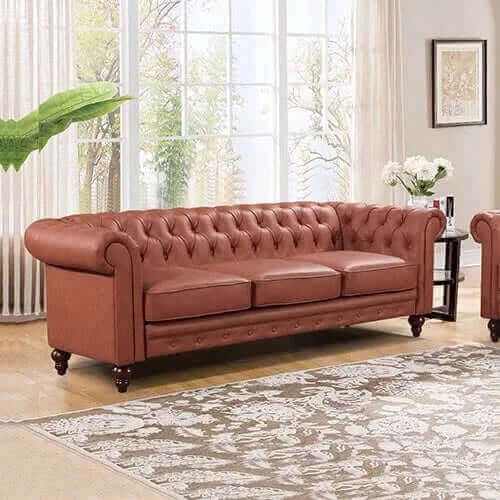
Chesterfield sofas are recognisable by their design features: roll arms, deep button tufting, and luxury. These features aren’t just for show; they were originally designed to hold horsehair filling and have been refined over the centuries to create the beautiful pieces we have today. The term ‘Chesterfield’ refers to a sofa with arms and back of equal height, a standard that has been around since the mid-19th century.
The Chesterfield sofa's history dates back to the 18th century when Lord Philip Stanhope commissioned it. He wanted comfortable yet stylish seating for his guests.
A solid hardwood frame is essential to the structure and style of Chesterfield sofas to ensure longevity and quality craftsmanship.
Over time the design has evolved to fit modern living spaces, with a range of fabrics such as wool, linen and velvet added to the traditional leather. The stuffing has moved from horsehair to modern foam and spring systems, but the Chesterfield sofa's luxury remains.
Best Chesterfield Sofa Couch Models
When it comes to choosing a Chesterfield sofa, the options are endless. From classic leather to modern fabric options and compact designs, there’s a Chesterfield for every home and lifestyle. Chesterfield lounges are known for their style versatility and can fit into industrial, coastal, modern, or traditional interiors. Depending on the fabric, they require different levels of maintenance.
Let’s take a look at some of the options.
Classic Leather Chesterfield
The classic leather Chesterfield is a favourite for many; it’s timeless and robust. Made with top-quality materials, these leather sofas are designed to be durable and comfortable. The high-quality leather not only looks luxurious but also lasts long, making it a worthwhile investment for any home. Certain colours, like washed-off brown, charcoal grey, navy blue, and cream, are popular choices that add to the elegance of living spaces.
A feature of the classic leather Chesterfield is the deep-buttoned upholstery. This detail adds to the style and comfort of the sofa. The richness of the leather, craftsmanship, and attention to detail make the classic leather Chesterfield a statement piece in any room.
Modern Fabric Chesterfield Sofas
Modern fabric Chesterfield sofas have opened up design possibilities, making these classic pieces work in any home style. Whether your home is Midcentury, Farmhouse, Hamptons, or Coastal, there’s a fabric Chesterfield to match your decor. Introducing fabrics like velvet and linen has given Chesterfield a modern twist.
The modern fabric options also make Chesterfield sofas work in industrial and country styles. The range of colours and textures available means you can find a Chesterfield sofa to match your personal style and add to your living space.
Compact Chesterfield Couches
For smaller spaces, compact Chesterfield couches are the answer without sacrificing style. These space-saving designs are designed to be comfortable and still look like classic Chesterfields.
Whether you live in an apartment or need a stylish addition to a snug room, a compact Chesterfield can give you the luxury and glamour you want.
Why Own a Chesterfield Sofa Couch
Owning a Chesterfield sofa is more than just a piece of furniture. It’s about bringing a piece of history and luxury into your home. These sofas are renowned for their luxurious look, which can be added to any room. Historically, Chesterfield sofas were bespoke pieces commissioned by the rich and famous, symboling luxury and sophistication.
Made from top-quality materials, Chesterfield sofas are built to last. Few pieces of furniture can match their longevity. Brands like Distinctive Chesterfields and Chesterfield Furniture Factory are so confident in their quality that they offer lifetime guarantees and full warranties on their products.
Chesterfield sofas' versatility means they can work with any style of interior, from traditional to modern, making them a timeless choice. Their deep seating and plush cushioning make them a favourite spot to relax.
How to Look After Your Chesterfield Sofa Couch
Proper care is key to keeping your Chesterfield sofa looking and functioning well. Whether you have leather or fabric, Chesterfield, taking the appropriate steps will keep it looking and feeling beautiful for years.
Leather Care
Leather Chesterfield sofas need special care to keep them looking their best. Avoid direct sunlight, as it will cause the leather to fade. When cleaning, use distilled water to prevent damage from chlorine in tap water. Condition the leather biannually to rejuvenate the natural oils, prevent cracking, and keep it soft and shiny.
Buff the leather with a microfiber cloth to remove scratches and keep it looking shiny so your sofa remains the centrepiece of luxury in your home. Proper care is key to keeping the elegance and durability of your leather Chesterfield sofa.
Fabric Care
Fabric Chesterfield sofas also need regular maintenance to keep them looking like new. Regular vacuuming will prevent dirt from building up and keep them looking clean. Use cleaning products suitable for the type of fabric on your Chesterfield sofa to avoid damage. Blot spills immediately to prevent staining so your sofa stays clean and fresh.
Brushing is recommended for velvet Chesterfield sofas to prevent the fabric from getting crushed. These simple tips will keep your fabric Chesterfield sofa looking and lasting well.
Customisation Options for Chesterfield Sofa Couches
One of the best things about Chesterfield sofas is that you can customise them to your taste. Customers can choose from a wide range of fabrics and colours so their sofa will match their home decor. The firmness of the seat cushions can also be adjusted during customisation so you get the right balance of comfort and support.
Customisation options allow you to create a Chesterfield sofa that reflects your style and taste. Whether you like a traditional leather finish or a modern fabric design, you can tailor your Chesterfield sofa to become a treasured piece of furniture in your home.
Where to Buy Chesterfield Sofa Couches in Australia
Finding a Chesterfield sofa in Australia has never been easier, with several reputable retailers to choose from. Upinteriors is known for its range of Australian-made leather lounges and customisation. Distinctive Chesterfields offers handmade Chesterfield sofas with exceptional craftsmanship and many styles.
What Makes a Chesterfield Sofa Couch Unique?
Its elegance and timeless design truly set a Chesterfield sofa apart from other furniture. The deep button tufting, rolled arms, and luxurious leather upholstery have become synonymous with luxury and style. Skilled artisans handcraft each Chesterfield sofa, so the quality and attention to detail are far superior to those of mass-produced furniture.
Chesterfield sofas are versatile enough to suit many interior styles, from classic to modern and minimalist. Their history and luxury comfort make them a standout for any home.
Conclusion
In short, Chesterfield sofas are history, luxury, and modern versatility. Their iconic design elements, like deep button tufting and rolled arms, make them a classic addition to any home. Whether you choose traditional leather or modern fabric, you’ll add a touch of elegance and style to your living space.
Now that you know the different models, benefits, care tips, and customisation options, you can make an informed decision. Your Chesterfield sofa will be a treasured piece of furniture for years to come. Go for the timeless elegance of Chesterfield sofas and turn your home into a luxury haven.
FAQ's
What are the main features of a Chesterfield sofa?
Chesterfield sofas have rolled arms, deep button tufting, and luxurious materials. They have a classic look and add style to any space.
How do I care for my leather Chesterfield sofa?
To keep your leather Chesterfield sofa looking fabulous, avoid direct sunlight, clean it with distilled water, condition the leather every six months, and buff it with a microfiber cloth to restore its shine and prevent scratches. Regular care will keep it lasting and looking good.
Can I customise a Chesterfield sofa?
Yes, Chesterfield sofas have customisation options for fabric, colour, and cushion firmness to tailor the sofa to your style and comfort.
Where can I buy a Chesterfield sofa in Australia?
You can buy a Chesterfield sofa in Australia from Upinteriors.
What makes a Chesterfield sofa different from other sofas?
A Chesterfield sofa stands out with its deep button tufting, rolled arms, and luxurious leather upholstery. These are all premium quality, timeless designs made by skilled craftsmen.
The dining room has evolved from a stiff, formal space used only on holidays into the vibrant, beating heart of the modern home. Today's dining spaces are dynamic, inviting, and deeply personal. Gone are the days of purchasing a rigid, matchy-matchy dining set straight off the showroom floor. Instead, modern interior design celebrates individuality, contrast, and thoughtful curation.
One of the most impactful ways to bring this curated look into your home is by breaking traditional rules. By pairing mismatched seating with modern table settings, you can create an atmosphere that feels chic and welcoming.
Whether you are hosting a holiday feast or a cozy weekend dinner party, this guide can help. It also helps you upgrade your everyday family meals. It covers every part of dining room design. From choosing the right dining chair mix to creating a modern tablescape, explore dining room ideas. Find endless inspiration to transform your space.
Breaking the Mould: The Magic of Mixed Dining Chairs
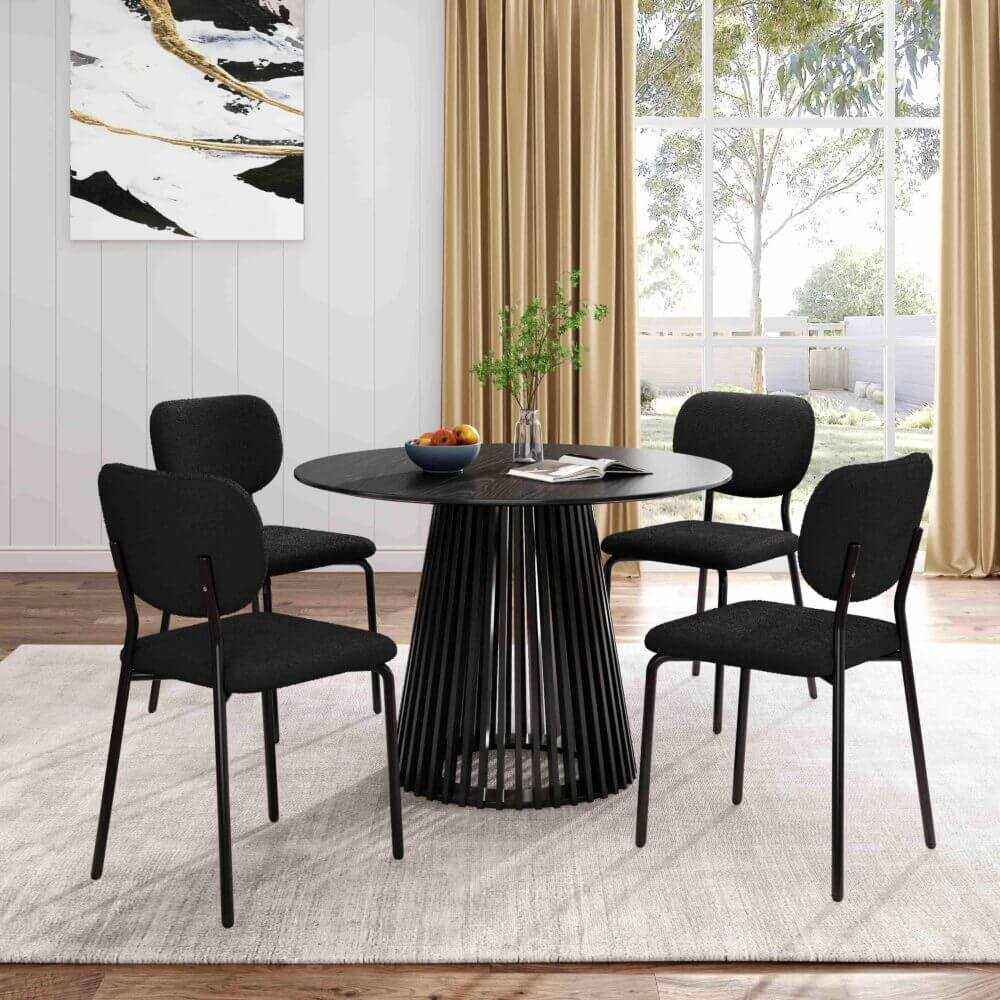
The foundation of modern dining room styling begins with your furniture. A matching set of eight identical chairs can often make a room feel heavy or like a corporate boardroom. Mixing dining chairs adds personality, creates visual interest, and lets you blend different design eras with ease.
However, there is a fine line between a beautifully curated collection and a chaotic jumble. To achieve a cohesive look, you need a unifying thread. Here are three foolproof formulas for mixing dining chairs:
1. The "Host and Hostess" Approach
If you are new to mixing dining room furniture, this is the safest and most classic entry point. Keep your side chairs uniform, but choose contrasting "anchor" chairs for the table heads. For instance, if your side chairs are sleek, armless wooden seats, opt for fully upholstered, high-backed armchairs at the ends. This not only grounds the table but also introduces a new texture into the room.
2. Same Colour, Different Shapes
For a bold, architectural, and avant-garde look, collect chairs in a variety of shapes, styles, and eras. Use one colour to tie them together. Imagine a matte-black Windsor chair next to a black mid-century modern Eames chair, followed by a black minimalist steel stool. The silhouette changes, but the monochromatic palette keeps the visual noise to a minimum.
3. Same Shape, Different Colours
Conversely, if you fall in love with a specific chair shape, buy it in several matching colours. For example, choose a classic French bistro chair or a moulded plastic tulip chair. This works beautifully in casual, eclectic spaces and adds a playful rhythm to the room.
The Foundation of the Tablescape: Linens and Textures
Once your seating is arranged, the table itself becomes your canvas. A bare table is beautiful, but adding layers protects your furniture and anchors your design. This is where mixing textures in dining room decor truly shines.
In modern design, heavy, floor-length damask tablecloths are mostly replaced by exposed wood. Sleek runners and structured placemats are now more common. Exposing the natural grain of your table adds an earthy, grounding element to the room.
Protecting Your Table with Style
If you have invested in a beautiful, natural wood table, protection is paramount. Hot plates and condensation from glasses can cause irreversible damage. When selecting your base layer, prioritise functionality without sacrificing aesthetics. For example, investing in high-quality, heat-resistant placemats for reclaimed-wood tables is non-negotiable. Reclaimed wood, with its porous nature and unique imperfections, is particularly susceptible to heat rings and moisture warping.
Look for placemats made from thick, durable materials. Try vegan leather, tightly woven natural rattan, or heat-treated silicone. These options can look like woven linen. These materials provide a protective thermal barrier while adding a rich, tactile element to your tablescape. By mixing reclaimed wood with smooth leather or woven rattan, you improve the meal right away. It adds texture and contrast. It makes dining more enjoyable.
Core Philosophies: Minimalist Tablescape Design Principles
Before we dive into plates and forks, it helps to understand the main idea behind modern dining table settings. Today's aesthetic is heavily influenced by minimalism—but minimalism does not mean boring. It means intentional.
When applying minimalist tablescape design principles to your dining room, keep these concepts in mind:
Negative Space is Your Friend: Do not overcrowd the table. Leave enough space between place settings and the centrepiece so the table feels breathable.
Monochromatic or Analogous Palettes: Stick to a tight colour scheme. Earth tones (terracotta, sage, sand) or stark contrasts (black, white, brass) work exceptionally well.
Focus on Form and Material: Minimalist settings use fewer items. So, please make sure the items you use are high quality. Let the texture of a ceramic bowl or the weight of a brass spoon be the star of the show.
Purpose-Driven Decor: Everything on the table should have a purpose. At the very least, it should not get in the way of dining and talking.
Dinnerware Dynamics: Crafting the Perfect Stack
The plates you choose and how you arrange them dictate the entire vibe of your meal. Gone are the days of perfectly round, pristine white porcelain adorned with delicate floral rims. The modern aesthetic celebrates the artisanal, the handmade, and the imperfect.
Embracing the Wabi-Sabi Aesthetic
One popular modern dinnerware idea is to avoid perfect symmetry. Instead, embrace "wabi-sabi." Wabi-sabi is a Japanese philosophy. It finds beauty in imperfections.
Organic-shaped ceramic plate sets are the ultimate expression of this trend. These plates often feature slightly uneven rims, subtle speckling in the glaze, and earthy, muted tones. Because no two plates are exactly alike, they bring a bespoke, custom-crafted feel to your dining room. When placed next to the clean, sharp lines of a modern dining table, organic ceramics add a needed, beautiful contrast.
The Art of the Layer
A single plate looks lonely on a large table. Layering is the secret weapon of professional stylists. Learning how to layer plates for visual depth can quickly elevate your meal prep from basic to fine dining.
Here is the foolproof formula for layering your dinnerware:
The Base (The Charger or Placemat): This frames the setting. If you aren't using a placemat, a charger plate (a large decorative base plate) is essential. In modern settings, try a slate board, a galvanised metal disk, or a large wooden slab.
The Dinner Plate: Placed directly in the centre of the base. If using organic ceramics, opt for a dark charcoal or a warm oatmeal colour.
The Salad/Dessert Plate: This sits squarely on top of the dinner plate. To create visual depth, introduce a contrasting colour, texture, or pattern here. If your dinner plate is dark, make the salad plate a lighter, complementary shade.
The Topper (Bowl or Napkin): Finish the stack with a shallow soup bowl or a beautifully folded napkin (more on napkins later).
By stacking these elements, you create a 3D focal point at each seat. It draws the eye and makes the setting look full and inviting.
Flatware Fundamentals: From Placement to Preservation
Cutlery is often treated as an afterthought, but it is the jewellery of the table. The style, weight, and finish of your flatware can completely alter the personality of your tablescape. Modern style has shifted away from shiny silver to brushed gold, copper, and matte black.
Navigating Place Setting Rules
While modern styling encourages breaking design rules, etiquette still plays a vital role in functionality. Knowing the difference between informal and formal place settings helps you set a beautiful table. It also makes the table easier for your guests to use.
The Informal Setting: Perfect for everyday dinners and casual weekend gatherings.
Left Side: The dinner fork sits closest to the plate, with the salad fork on the outside.
Right Side: The dinner knife sits closest to the plate (blade facing the plate), followed by the dinner spoon on the outside.
Top: A water glass sits just above the knife.
The Formal Setting: When hosting a multi-course dinner party, proper cutlery placement is crucial. The golden rule is always: work from the outside in. Guests should use the outermost utensils for the first courses and work their way toward the plate.
Left Side (Outside to Inside): Salad fork, fish fork (if serving), dinner fork.
Right Side (Outside to Inside): Soup spoon, salad knife, dinner knife (blades always facing the plate).
Top: Dessert spoon and cake fork are placed horizontally above the dinner plate.
Caring for Modern Finishes
If you choose to elevate your table with modern finishes, you must know how to care for them. Matte black flatware, in particular, requires special attention to maintain its sleek, velvety appearance.
Matte black flatware maintenance and care tips:
Skip the Citrus: Avoid using dish detergents that contain citrus (lemon or orange) additives. The acidity can strip the dark PVD (Physical Vapour Deposition) coating over time, leading to fading or silver spots.
Hand Wash When Possible: Many sets say they are dishwasher safe. But high heat and harsh detergents can shorten the life of the matte finish. Hand washing with a gentle, non-abrasive sponge is always best.
Dry Immediately: To prevent hard water spots, dry your flatware right away. Black finishes show spots very easily. Use a soft microfiber cloth instead of air drying.
Crystal Clear: Selecting and Placing Glassware
Glassware adds height, sparkle, and architectural interest to your table. In modern settings, heavy ornate crystal is often replaced with ultra-thin, sleek, minimalist glass. These glasses have flat bottoms and sharp angles.
Choosing the right glass for each drink can boost flavour and show your skill as a host.
The Water Goblet: The anchor of your glassware. This should be the largest glass, placed directly above the dinner knife. In modern settings, stemless water glasses or coloured tumblers (such as smoked grey or amber) are incredibly popular.
Red Wine Glasses: Placed to the right and slightly below the water glass. These require a large, wide bowl. The larger surface area allows heavier red wines to breathe and release their complex aromas.
White Wine Glasses: Placed to the right of the red wine glass. These have a narrower bowl and a tighter opening. This helps keep the wine cold and focus its light, floral aromas.
Champagne Flutes: If serving a toast, the flute is placed furthest to the right. Modern champagne glasses are moving away from the traditional curved flute toward the "tulip" shape or sharp, cylindrical coupes.
When setting your table, place the glassware in a diagonal line or gentle curve above the knives. This creates a cascading look of sparkling glass.
Soft Touches: Napkin Styling and Sustainability
Textiles bring warmth and softness to the hard edges of a dining table. While paper napkins are convenient, nothing says "thoughtful hosting" quite like a fabric napkin.
The Shift to Sustainable Linens
In the contemporary home, eco-conscious choices are paramount. This has led to a surge in sustainable linen napkin styling tips among design experts. Pure flax linen is very durable and naturally antimicrobial. It also needs much less water to produce than cotton.
When styling with linen, lean into its natural texture. Do not iron your linen napkins into stiff, starchy squares. Instead, wash them, let them air dry, and embrace their organic, slightly wrinkled drape. This effortless texture perfectly complements the wabi-sabi aesthetic of organic ceramic plates.
The Art of the Fold
How you present your napkins can act as a decorative element in itself. Here are two step-by-step napkin folding techniques that perfectly suit a modern aesthetic:
1. The Minimalist Pocket FoldThis fold is sleek, geometric, and functional.It is perfect for holding a menu card or a sprig of rosemary.
Step 1: Lay the napkin flat in a square.
Step 2: Fold it in half horizontally to form a rectangle.
Step 3: Fold the bottom edge up about two-thirds of the way.
Step 4: Turn the napkin over so the folded edge is face down.
Step 5: Fold the left third of the napkin in toward the centre.
Step 6: Fold the right third in, tucking it into the pocket created by the left side. Flip it over, and you have a neat, tight pocket.
2. The Effortless Knotted DrapeThis is the ultimate "I woke up like this" look for your table.It adds beautiful volume and texture with ease.
Step 1: Pinch the napkin right in the centre and lift it, letting the edges drape down naturally.
Step 2: Run your other hand down the length of the napkin to gather it into a loose tube.
Step 3: Tie a loose, simple knot in the centre of the gathered fabric.
Step 4: Place the knotted napkin across the centre of the plate. Keep it horizontal. Let the tails fall naturally over the bowl's edges.
The Crowning Jewel: Centrepieces and Decor
The centrepiece is the focal point that ties your modern table settings together. However, a common mistake is creating a centrepiece so elaborate that it obstructs the view and hinders conversation.
The Golden Rule of Centrepiece Proportions
Before you begin styling, you must adhere to the standard height requirements for dining table centrepieces. To help guests make eye contact and talk across the table, keep centrepieces under 12 inches tall.
If you want to create drama with height, you must go above the sightline. Tall, thin taper candles work well. Sparse, tall branches in a slender vase also work well. They should be over 24 inches tall. Guests can easily see through or under them. Anything between 12 and 24 inches will inevitably become a barrier.
Scandinavian Influence
When looking for centrepiece ideas, look North. Scandinavian-inspired centrepiece inspiration is dominating modern dining room styling. This aesthetic focuses on bringing the outdoors in, utilising natural elements, and embracing restraint.
Instead of tight, massive floral bouquets, try these Scandi-inspired ideas:
Foraged Branches: A single, asymmetrical branch with sparse green leaves in a minimalist glass vase creates striking, sculptural height.
Eucalyptus Runners: Lay fresh or preserved eucalyptus directly down the centre of the table. It provides a low-profile pop of green and a wonderful, fresh aroma.
Taper Candles: Use groups of taper candles in different heights. Place them in sleek brass, matte black, or raw concrete holders. They give off a warm, hygge glow. They also keep the look light and uncluttered.
Styling on a Dime
Creating a breathtaking tablescape does not require spending thousands of dollars at a high-end boutique. Countless budget-friendly tablescape accessories look incredibly chic when styled correctly.
Fresh Fruit: A wooden bowl filled with a single type of fruit makes a colourful, low-cost centrepiece. Choose bright yellow lemons, deep purple figs, or vibrant pomegranates.
Thrifted Glassware: Mix and match vintage colored glass bottles from thrift stores. Use them as bud vases along the table.
Kraft Paper Runners: Instead of an expensive linen runner, roll out a length of brown kraft paper. You can even use a metallic marker to write guests' names directly on the paper as a casual, creative place card.
Pulling It All Together: The Sensory Experience of Dining
As we have explored, mastering modern table settings is about much more than just putting plates on a table. It is about creating a holistic, sensory experience for anyone who sits down in your dining room.
When you expertly mix dining chairs, you create visual rhythm and a relaxed, welcoming environment. By utilising heat-resistant placemats and contrasting them with organic-shaped ceramics, you satisfy the sense of touch. The gentle clinking of properly placed, well-maintained matte-black flatware and crystal-clear glassware satisfies the ear. A neatly folded, sustainable linen napkin shows care and intention. A well-proportioned, Scandinavian-inspired centrepiece looks great without blocking laughter and conversation.
Styling a modern dining room is an ongoing creative process. Do not be afraid to experiment, swap elements out seasonally, and let your table reflect your personal style journey. By using minimalist design principles, you can create a functional dining space. You can also have fun by breaking old etiquette rules. It will also feel effortless and unforgettable in style.
Now, the only thing left is to finalise your menu, pour the wine, and invite your favourite people over. Have them pull up a mismatched chair. Happy hosting!
A luxury hotel bedroom feels calm the moment you walk in. The bed looks inviting, the lighting is soft, the surfaces are edited, and every detail seems intentional. The good news: you do not need a full renovation or a five-star budget to create that same feeling at home. With the right plan, you can turn your bedroom into a calm, polished retreat. Use smart styling, layered bedding, and thoughtful finishing touches.
Use the steps below to build a hotel-inspired room that feels elegant, comfortable, and personal.
1. Define the Atmosphere Before You Buy Anything
Before choosing bedroom furniture, bedding, or accessories, decide what kind of luxury you want the room to express. Hotel-inspired design can feel crisp and classic, warm and boutique, modern and minimal, or glamorous and dramatic.
Ask yourself:
Do I want the room to feel bright, airy, and spa-like?
Do I prefer moody colours and dramatic lighting?
Am I drawn to traditional elegance, modern simplicity, or chic bedroom decor with a fashion-forward edge?
What is the first feeling I want when I step into the room?
Choose three to five words to guide every decision. For example:
Calm, tailored, warm, neutral, refined
Dramatic, plush, romantic, layered, elegant
Minimal, serene, fresh, soft, modern
This becomes your design filter. If an item does not support that atmosphere, skip it. Luxury bedroom decor works best when the space feels curated rather than crowded.
2. Start With a Clean, Edited Foundation
Hotels feel luxurious partly because they are uncluttered. Surfaces are clear, cords are hidden, and everything has a purpose. Before decorating, remove what does not belong.
Start with these quick wins:
Clear the nightstands except for essentials and one or two styled pieces.
Remove visible laundry baskets, extra boxes, and random storage.
Relocate work items, exercise gear, and paperwork if possible.
Edit wall decor that feels too busy or mismatched.
Hide charging cables with clips, cord covers, or a simple charging tray.
Then deep clean the room. Dust baseboards, clean mirrors, wipe lampshades, vacuum under furniture, and wash curtains if needed. A clean room immediately feels more expensive.
If your bedroom is small, editing is even more important. A luxury look is not about having more. It is about making every visible item feel intentional.
3. Choose a Sophisticated Colour Palette
Most luxury hotel rooms rely on a controlled palette. That does not mean your bedroom has to be all white, but it should feel harmonious.
A simple formula is:
One main neutral
One secondary neutral
One accent color
One or two metal or wood finishes
Popular hotel-inspired palettes include:
Warm white, oatmeal, taupe, and brushed brass
Charcoal, ivory, walnut, and matte black
Soft grey, cream, navy, and polished nickel
Beige, camel, espresso, and bronze
Dusty blue, white, natural oak, and silver
For a calm suite-like look, keep walls and large furniture in soft neutrals. Add depth through textiles, lighting, and accent pieces. If you love colour, use it in a restrained way through pillows, art, a bench, or a throw.
One of the most effective luxury bedroom decor ideas is to repeat colours throughout the room. For example, if you choose champagne as an accent, bring it into the lamp bases, picture frames, drawer hardware, or decorative tray. Repetition makes the design feel cohesive.
4. Make the Bed the Main Event
In any hotel-inspired bedroom, the bed is the focal point. It should look generous, layered, and comfortable. Even if you change nothing else, upgrading the bed styling can transform the entire room.
Start with the basics:
A supportive mattress or mattress topper
A fitted sheet that stays smooth
A flat sheet or duvet cover in a crisp fabric
A fluffy duvet or comforter
Sleeping pillows with enough structure
Decorative pillows in varying sizes
A throw blanket at the foot of the bed
White bedding is a classic hotel choice because it looks clean, timeless, and fresh. However, warm ivory, pale grey, soft beige, or muted colours can also look luxurious. The key is smoothness, scale, and layering.
To style the bed like a hotel:
Pull the fitted sheet tight.
Add the top sheet or duvet cover and smooth it flat.
Fold the duvet or top layer down slightly near the pillows.
Place sleeping pillows upright or stacked neatly.
Add two to three decorative pillows, depending on bed size.
Finish with a folded throw across the lower third of the bed.
Avoid using too many pillows if you dislike having to remove them every night. Luxury should feel comfortable, not fussy.
5. Upgrade Your Bedding Texture
Luxury is often felt before it is noticed. Soft sheets, a lofty duvet, and a textured throw make a bedroom feel more like a boutique hotel suite.
Look for bedding that feels good against your skin and suits your climate. Cotton percale feels crisp and cool. Sateen feels smoother and slightly more luminous. Linen has a relaxed, high-end texture. A quilt or coverlet can add structure, especially beneath a duvet.
Layering ideas include:
Crisp sheets with a down-alternative duvet and a waffle throw
Linen duvet with velvet pillows and a knit blanket
Cotton coverlet with a folded comforter at the foot of the bed
Neutral bedding with one accent pillow in silk, velvet, or boucle
If you want a hotel look without replacing everything, start with the top layers. Focus on a duvet cover, pillow shams, and a throw blanket. These pieces create the biggest visual impact.
6. Add a Statement Headboard or Create the Illusion of One
A substantial headboard instantly makes a bedroom feel more finished. Hotels often use upholstered headboards because they soften the room, add comfort, and create a strong focal point.
Good options include:
A tall upholstered headboard in linen, velvet, or boucle
A channel-tufted headboard for a modern hotel feel.
A wood headboard for warmth and texture
A wall-mounted headboard panel for a custom look
A painted accent wall behind the bed if a new headboard is not possible
If you are decorating on a budget, you can still create the feeling of a grand headboard. Hang large art, use peel-and-stick wall panels, install picture moulding, or paint a wide rectangle behind the bed. Use a slightly deeper colour than the walls.
For the most polished result, make sure the headboard is wider than the mattress or visually balanced with the nightstands. A headboard that looks too small can make the room feel less intentional.
7. Use Symmetry for an Instant Hotel Look
Symmetry is one of the easiest ways to make a bedroom feel elegant. Matching nightstands, lamps, pillows, or artwork create the sense of order that people associate with high-end hotel rooms.
You do not need every item to match perfectly, but both sides of the bed should feel balanced.
Try these pairings:
Two matching nightstands with identical lamps
Similar lamps on different but coordinating tables
Matching sconces mounted above each nightstand
Two framed prints hung evenly behind the lamps.
A pair of small benches or stools at the foot of the bed
If one side of the bed is against a wall or space is limited, create visual balance in another way. Use one nightstand and one wall shelf, or add a floor lamp on the side without a table. The goal is to make the room feel considered from every angle.
8. Layer Lighting Like a Designer
Overhead lighting alone rarely feels luxurious. Hotels use layered lighting to create atmosphere at different times of day. Your bedroom should have multiple light sources so you can shift from bright and practical to soft and relaxing.
Include three types of lighting:
Ambient lighting for general illumination
Task lighting for reading or getting ready
Accent lighting for warmth and mood
For a hotel-inspired room, use bedside lamps, wall sconces, picture lights, a floor lamp, or a small lamp on a dresser. Warm white bulbs usually feel more relaxing than cool white bulbs. Dimmer switches or smart bulbs can also make a major difference.
Bedside lighting should be both beautiful and functional. Choose lamps that are tall enough for reading and substantial enough to suit your bed scale. Small lamps can look lost beside a king bed or queen bed, while oversized lamps add drama and polish.
9. Style the Nightstands With Restraint
A hotel nightstand is useful, but never chaotic. Apply the same principle at home. Keep only what you need at night, then style the rest with simple decorative details.
A polished nightstand might include:
A lamp or sconce
A small tray for jewellery, glasses, or lip balm
A book or two
A small vase or sculptural object
A candle or diffuser
A carafe and glass if you like the hotel-suite touch
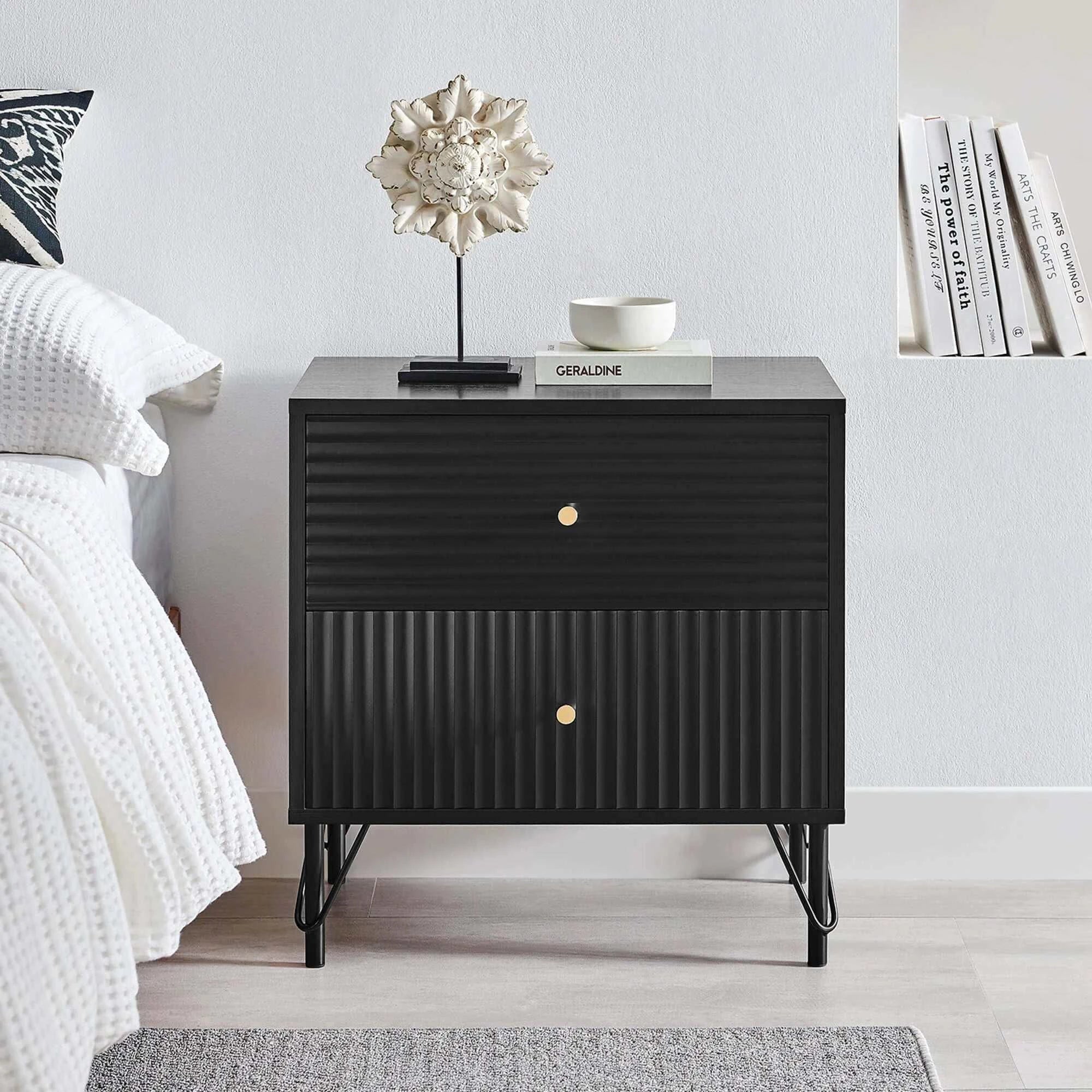
Avoid crowding the surface. Negative space makes decor look more expensive. If you need more storage, use nightstands with drawers so personal items can be tucked away.
This is also an ideal spot to introduce chic bedroom decor gently. A marble tray can bring character without taking over the space. A ribbed glass vase can offer a similar touch. A ceramic lamp can, too. A brass accent can, as well.
10. Bring in Hotel-Level Window Treatments
Curtains have a huge effect on how luxurious a bedroom feels. In hotels, window treatments usually look full, soft, and tailored. They also help control light and privacy.
For a high-end effect:
Hang curtain rods higher than the window frame.
Extend the rod beyond the window so the curtains can stack outside the glass.
Choose panels that reach the floor.
Use enough fabric so the curtains look full, not skimpy.
Consider layering sheers with blackout curtains.
Neutral curtains in linen, velvet, or a soft woven fabric work well in most bedrooms. If you want a dramatic look, choose deeper shades like charcoal, navy, olive, or chocolate brown.
Even simple curtain panels can look custom when hung correctly. The higher and fuller they are, the more elevated the room feels.
11. Add a Rug That Grounds the Room
A bedroom rug adds softness, warmth, and visual structure. It also helps the bed feel anchored instead of floating in the room.
Choose a rug large enough to extend beyond the sides and foot of the bed. If a large rug is not possible, place runners on each side of the bed or use a smaller rug layered at the foot of the bed.
For a luxury hotel feel, consider:
A plush wool or wool-blend rug
A neutral patterned rug with subtle movement
A low-pile rug in a soft geometric design
A vintage-inspired rug in muted tones
A textured natural rug layered with a softer accent rug
The rug does not need to be bold. In fact, subtle patterns often work best because they add depth without competing with the bedding.
12. Create a Seating Moment if Space Allows
Many hotel rooms include a chair, bench, or small seating area. This makes the bedroom feel more like a suite and less like a purely functional sleeping space.
Depending on your layout, you can add:
An upholstered bench at the foot of the bed
A small accent chair near a window
A chaise lounge in a larger room
A pair of stools beneath a console
A compact ottoman beside a dresser
A bench is especially useful because it provides a place to sit, set down a robe, or lay out tomorrow's outfit. Choose one with fabric, leather, wood, or a metal frame that complements the room's finishes.
If space is tight, skip bulky seating and opt for a slim stool or a small upholstered cube. The best luxury bedroom decor respects the room's scale.
13. Choose Art That Feels Calm and Intentional
Artwork can make a bedroom feel personal, but hotel-inspired spaces usually avoid visual clutter. Choose art that supports the atmosphere rather than demanding too much attention.
Good bedroom art options include:
Large abstract artwork in soft colours
Black-and-white photography
Framed textile pieces
Minimal line drawings
Landscape prints with a peaceful mood.
A pair or trio of coordinating frames
Scale matters. One large piece above the bed can feel more luxurious than several small pieces scattered around the room. If you prefer a gallery wall, keep frames consistent and spacing even.
Avoid art that feels too energetic, harsh, or distracting if your goal is rest. The bedroom should feel like a place where your mind can slow down.
14. Incorporate Reflective and Natural Materials
Luxury interiors usually mix materials. A room with only fabric and painted furniture can feel flat, while a space with layered textures feels richer.
Introduce a few of these elements:
Wood for warmth
Stone or marble for elegance
Glass for lightness
Metal for polish
Ceramic for handcrafted texture
Velvet, linen, or boucle for softness
Woven baskets or trays for natural contrast
The goal is not to use every material. Pick a few and repeat them. For example, you might pair walnut nightstands with brass lamps, a marble tray, and linen bedding. Or you might use black metal sconces, oak furniture, and textured white bedding for a modern boutique look.
Repeating materials makes the room feel designed rather than assembled piece by piece.
15. Add Scent, Sound, and Softness
A true hotel-inspired bedroom is not only visual. It engages the senses. Think about how the room feels, smells, and sounds.
Try these finishing touches:
A calming candle or reed diffuser
Freshly washed sheets
A soft robe on a hook
A plush throw within reach
A white noise machine or small speaker
A tidy tray with hand cream or linen spray
Soft-close storage or felt pads under drawers
Choose one signature scent family, such as clean linen, sandalwood, lavender, citrus, or amber. Keep it subtle. A gentle fragrance feels luxurious, while an overpowering one can feel distracting.
Sound also matters. If your bedroom is noisy, consider a thicker rug, lined curtains, upholstered furniture, or a white noise machine. Soft surfaces absorb sound and make the space feel calmer.
16. Style a Dresser or Console Like a Boutique Suite
Dressers often become clutter zones, but in a hotel-inspired room they should feel composed. Clear everything first, then add back only a few pieces.
A simple dresser styling formula:
Start with a large anchor, such as a mirror or framed art.
Add a lamp for height and warmth.
Place a tray for small items.
Add a vase, bowl, or sculptural object.
Leave open space so the arrangement can breathe.
If you use the dresser daily, choose beautiful storage that helps hide practical items. A lidded box, decorative bowl, or small tray can hold watches, perfume, or everyday accessories.
17. Keep Technology Discreet
Hotels often hide the practical details that can make a room feel messy. At home, technology can quickly disrupt a luxury mood if cords, chargers, and screens are everywhere.
To make tech less visible:
Use a charging drawer or cord organiser.
Choose a fabric-covered charging pad.
Hide cables behind furniture.
Mount the TV neatly if you have one in the bedroom.
Use baskets or boxes for remotes and devices.
Avoid letting work laptops become part of the room decor.
If possible, create a phone-free or work-free zone near the bed. A beautiful alarm clock, book, or journal can replace the habit of keeping multiple devices on the nightstand.
18. Use Flowers or Greenery Sparingly
Fresh flowers and greenery add life to a bedroom. Hotels often use one simple arrangement rather than many small decorative pieces.
Try:
A small vase of fresh flowers on the nightstand
One branch arrangement on a dresser
A low-maintenance plant near a window
Faux stems in a high-quality vase if fresh flowers are not practical
Keep the arrangement simple. A single sculptural branch can look more elegant than a crowded bouquet. If you use faux greenery, choose realistic stems and avoid overly glossy plastic leaves.
19. Create a Daily Reset Routine
The secret to maintaining a luxury bedroom is not perfection. It is a simple reset routine. Hotel rooms feel relaxing because they are restored regularly. You can create the same effect in just a few minutes a day.
Daily reset checklist:
Please make the bed fully, including pillows and a throw.
Clear cups, laundry, and loose items.
Straighten nightstand surfaces.
Open curtains in the morning.
Close curtains and turn on soft lighting at night.
Put clothes away instead of draping them over chairs.
Weekly, wash bedding, dust surfaces, vacuum the rug, and refresh flowers or scent. These small habits protect the elevated feeling you worked to create.
20. Finish With Personal Details, Not Clutter
A hotel-inspired bedroom should still feel like yours. The difference is that personal items should be chosen thoughtfully.
Add personality through:
A framed photograph in an elegant frame
A favourite book on the nightstand
A meaningful object on a tray
Art that reflects your style
A throw or pillow in a colour you love
A signature scent that feels comforting
The best rooms balance polish with warmth. Too much styling can feel impersonal, while too many personal items can feel cluttered. Aim for a bedroom that feels calm, curated, and genuinely comfortable.
Luxury Bedroom Decor Ideas for Different Budgets
You can create a hotel-inspired room whether you are making small upgrades or investing in larger changes.
If you want a quick refresh, focus on:
New pillow shams
A better throw blanket
Matching lamps
A tray for the nightstand
Fresh curtains
Decluttering and restyling surfaces
If you have a moderate budget, consider:
Upgraded bedding
A larger rug
An upholstered headboard
New nightstands
Wall sconces
Framed art
If you are ready for a bigger transformation, invest in:
Custom-looking window treatments
High-quality mattress and bedding
Built-in or upgraded storage
Statement lighting
A full furniture plan
Professional painting or wall moulding
The most important investment is the one you will feel every day. For many people, that means better bedding, better lighting, and less clutter.
Common Mistakes to Avoid
Even beautiful pieces can miss the mark if the room feels unbalanced. Watch for these common mistakes:
Buying decor before choosing a palette
Using bedding that looks too flat or thin
Choosing rugs that are too small
Hanging curtains too low
Relying only on overhead lighting
Overcrowding nightstands and dressers
Mixing too many metal finishes without repetition
Using too many accent colours
Ignoring storage needs
Prioritising looks over comfort.
A luxury bedroom should support real life. If a design choice makes your routine harder, it probably is not the right choice.
Final Styling Checklist
Before you call the room finished, walk in as if you are seeing it for the first time. Notice what your eye goes to first. Does the bed feel inviting? Is the lighting warm? Are the surfaces calm? Does the palette feel connected?
Use this final checklist:
The bed is layered, smooth, and comfortable.
The room has at least two or three light sources.
Nightstands are balanced and uncluttered.
Curtains look full and reach the floor.
The rug is properly scaled or thoughtfully placed.
Art feels intentional and calm.
Materials are repeated throughout the room.
Cords and everyday clutter are minimised.
Scent and texture add a subtle sensory layer.
The space feels restful, not overdecorated.
When luxury bedroom decor is done well, it is not about impressing other people. It is about creating a room that helps you relax. It should also help you feel restored. Focus on comfort, calm, and thoughtful details. With layered bedding, soft lighting, clean surfaces, and a matching colour palette, your bedroom can feel like a private hotel suite. It can feel that way every day.
Choosing the right dining table can transform your dining space. It's not just about style; it's about space efficiency.
Round and rectangular tables each offer unique benefits. But which one truly saves more space?
Round tables are often praised for their flexibility. They fit snugly into small spaces and create a cozy atmosphere.
Rectangular tables, on the other hand, are traditional and practical. They can accommodate more guests and fit well in larger rooms.
Understanding the space-saving features of each shape is crucial. It helps in making an informed decision for your dining area.
Let's explore the differences and find out which table shape best fits your home.
Understanding Dining Table Space-Saving: Key Concepts
When choosing a dining table, space-saving features are essential. They ensure your dining area remains functional and comfortable. The right table can make a cramped space feel open and airy.
Tables without corners, like round ones, naturally save space. They offer easy movement around the table, which is ideal for tight spots. Rectangular tables, however, can be pushed against walls to save space when necessary.
Several key aspects affect dining table space saving:
Table shape and size
Room layout and dimensions
Seating flexibility
Table extension options
Each of these factors contributes to how well a table fits into a given space. Understanding these will help you select the perfect table for your home.
Considering room shape is vital in maximising space efficiency. Whether your room is narrow or wide, the table must complement it. This ensures optimal functionality and aesthetic appeal.
Round Dining Tables: Space-Saving Features and Benefits
Round dining tables are a smart choice for small spaces. Their absence of corners allows for more seating flexibility. This design also creates a friendly atmosphere, perfect for intimate dinners.
A key benefit of round tables is their adaptability. They can fit seamlessly in various room shapes without appearing out of place. The circular shape also encourages better traffic flow around the table.
Round tables can make a room feel more open and airy. They draw attention to the centre, adding charm to the space. Their streamlined design often complements modern or eclectic interiors beautifully.
Additional advantages of round tables include:
More seating flexibility
Reduced risk of bumping into sharp edges
Enhanced table space for shared platters
One challenge is that round tables may not suit narrow rooms. However, they are generally more accommodating for uneven guest numbers.
In terms of design versatility, round tables often pair well with a variety of chair styles. This enhances their appeal as focal points in dining spaces. Their ability to adapt to different settings makes them a practical and stylish choice.
Rectangular Dining Tables: Space-Saving Features and Benefits
Rectangular dining tables offer a different set of benefits. They are ideal for larger dining areas and can fit against walls. This makes them efficient for narrow or long spaces.
A key advantage is their ability to accommodate more people. This is especially useful for larger families or frequent hosts. Their straight edges provide more surface area for serving dishes.
Another notable feature is the availability of extension leaves. These leaves offer flexibility for hosting larger gatherings when needed. This makes rectangular tables a practical choice for those who entertain often.
Here are some strengths of rectangular tables:
Suitable for formal settings
More stable and less prone to tipping
Ample surface for decor and meals
by Point3D Commercial Imaging Ltd. (https://unsplash.com/@3dottawa)
Rectangular tables tend to align well with other furniture. This alignment can create a cohesive and structured look in a room. The variety of styles and sizes available enhances their versatility.
However, rectangular tables can sometimes dominate a space. In smaller rooms, they may require careful planning to ensure a smooth flow. Despite this, their classic appeal often aligns with traditional and rustic designs.
Comparing Round vs Rectangular Tables: Which Shape Saves More Space?
Deciding between a round and rectangular table often comes down to space constraints. Both table shapes have distinct space-saving merits, depending on your room layout. Understanding these can guide a better choice.
Round tables excel in compact spaces because they lack corners, allowing for effortless movement. In contrast, rectangular tables maximise seating in long, narrow rooms. This contrast highlights their differing approaches to space optimisation.
A crucial factor is the available room. Round tables often create a sense of openness, while rectangular ones can fill space more efficiently. Consider this when evaluating your room's dimensions.
Here are some ways each shape contributes to space saving:
Round Tables: Great for small, intimate areas, flexible seating
Rectangular Tables: Optimal for long, narrow settings, defined edges for organisation
by Aalo Lens (https://unsplash.com/@aalolens)
Ultimately, choosing the right table depends on balancing your room's space with your hosting needs. The decision should match how you plan to use the dining area, whether for casual meals or larger gatherings.
Room Size, Shape, and Layout: Matching Table to Space
Selecting a table that fits your room involves several considerations. The room's dimensions and layout are foremost among these. Each table shape complements different room characteristics.
Round tables often fit well in square rooms, enhancing the sense of harmony. Their circular design suits open layouts, where space flows without obstruction. Consider round tables if your room is symmetrical.
Rectangular tables, however, align perfectly in rectangular or elongated spaces. Their linear form allows for alignment with walls or centred placement without wasting space. They are ideal in long dining areas.
Here's how to match tables with room features:
Round Tables: Suitable for small, balanced, or square spaces
Rectangular Tables: Optimal for elongated, narrow, or sizable rooms
Remember that the table should complement not only the room's size but also its overall design. Balancing practicality with aesthetics can enhance your dining experience and the room's visual appeal.
Seating Capacity and Flexibility: How Many Can You Fit?
Choosing the right dining table shape impacts how many guests you can seat comfortably. Round tables typically offer flexibility in seating arrangements. Their lack of corners makes it easier to fit additional chairs when needed.
In contrast, rectangular tables generally have a fixed number of seating positions. They consistently excel at accommodating a larger number of guests. Extending leaves can increase their capacity for events.
Consider these seating aspects:
Round Tables: Easier to add more seats for casual gatherings
Rectangular Tables: Structured seating, ideal for large families
by Spacejoy (https://unsplash.com/@spacejoy)
Ultimately, align table choice with your usual dining needs and guest frequency. This ensures you maintain a functional yet welcoming dining space throughout any occasion.
Social Experience and Dining Atmosphere
The shape of your dining table deeply affects the dining atmosphere and interaction among guests. Round tables foster an inclusive and cozy setting. Their shape encourages eye contact and conversation among diners, enhancing the social experience.
Rectangular tables, while more structured, can promote a formal dining atmosphere. They might lead to segmented conversations, especially at long tables. However, they provide space for decorative centrepieces.
Consider these social aspects:
Round Tables: Ideal for intimate, engaging dining
Rectangular Tables: Suitable for formal, segmented seating
Choose a table shape that best complements the desired social dynamic in your home dining area.
Practical Considerations: Safety, Maintenance, and Versatility
Practical aspects often govern dining table choices. Round tables, devoid of corners, are inherently safer for homes with children. Their absence of edges minimises the risk of bumps and bruises.
Maintenance varies with table style and material. Wooden tables may require regular polishing, while glass surfaces need frequent cleaning. The ease of maintenance can influence your choice.
Versatility is another crucial factor. Round tables adapt well to varying arrangements, while rectangular tables align seamlessly with other dining room furniture.
Consider these practical aspects:
Safety: Round tables are child-friendly
Maintenance: Depends on material
Versatility: Varies by table shape
by Nguyễn Hiệp (https://unsplash.com/@hieptltb97)
Style, Aesthetics, and Design Harmony
The style of a dining table can set the tone for your dining area. Round tables often suit modern or minimalist designs, offering a sleek look. Their circular shape can add a touch of elegance.
Rectangular tables typically fit in with more traditional or rustic decor styles. They provide structure and can seamlessly complement a classic interior theme.
Considerations for style and design harmony include:
Round tables: Modern, minimalistic
Rectangular tables: Traditional, rustic
Design fit: Matches overall interior decor
by Franco Debartolo (https://unsplash.com/@francotheshooter)
Tips for Choosing the Best Space-Saving Dining Table
Selecting a space-saving dining table requires careful consideration of several factors. Evaluating the room's dimensions is essential to ensure a proper fit. Understanding your seating needs can guide you toward the best choice.
The table's material can also influence its perceived space-saving ability. Light colours or glass surfaces can make a room appear more open and airy.
Remember these tips when choosing a space-saving dining table:
Consider room size: Measure your space.
Plan seating arrangement: Know your seating needs.
Choose materials wisely: Opt for lighter finishes.
by Clay Banks (https://unsplash.com/@claybanks)
Frequently Asked Questions: Dining Table Space-Saving
1. Which table shape is best for small spaces?
Round tables are often ideal for small spaces. Their lack of corners allows for seamless movement and flexible seating.
2. Do rectangular tables offer any space-saving features?
Yes, rectangular tables can fit into narrow spaces against walls. Many have extension leaves for added functionality during gatherings.
3. Are there specific materials that enhance space-saving?
Lighter materials and colours, such as glass or light wood, can make a room feel larger and more open.
4. How can I maximise seating with a round table?
Consider using benches or armless chairs around a round table to accommodate more people comfortably.
5. Can table height affect space perception?
Absolutely. Taller tables with slender legs create visual space below, giving the dining area an airier feel.
Conclusion: Making the Right Choice for Your Dining Space
Choosing the right dining table can transform your dining area. Round tables excel in cozy, intimate spaces, offering flexibility. Rectangular tables provide structure, especially in larger rooms.
Consider your room's dimensions when deciding. The table must complement the space's flow and aesthetic. Ensure it aligns with your entertaining style and the number of guests you usually host.
Lastly, remember that both functionality and style matter. Whether you prefer round or rectangular, select a table that suits your lifestyle and enhances your home's charm.