

Creating a home that feels collected rather than coordinated is one of the most rewarding approaches to interior design. This guide walks you through practical strategies to blend furniture styles confidently while keeping your Australian home feeling open, calm, and intentional. Mixing and matching furniture styles creates a personalised, lived-in home that truly reflects your unique taste. But there's a fine line between an eclectic, personality-filled living space and a room that feels cluttered. Don't be afraid to experiment with different styles, colours, and bold choices—stepping out of your comfort zone can lead to a more dynamic and inviting space. The good news? Mixing and matching furniture pieces from different styles and eras is entirely achievable—even if you're not a trained designer. This article is for anyone looking to create a stylish, functional home without the chaos of clutter—whether you're furnishing a new apartment or updating your current space.
Key Takeaways
-
Mixing and matching furniture works best when you limit your colour palette to 2–3 main tones, repeat materials like timber or metal at least twice, and balance visual weight so the room feels curated rather than crowded.
-
Choose one dominant style and one hero piece (such as a sofa or dining table) as your anchor, then layer in other looks with smaller items like side tables, accent chairs, and decor.
-
Negative space, smart furniture layout, and right-scale pieces are essential to avoid a cramped feel, especially in typical Australian apartments and open-plan homes.
-
Textures, patterns, and wall art can add personality without bulk when used thoughtfully and sparingly across cushions, rugs, and simple pieces.
-
Multi-functional furniture helps to reduce clutter in living spaces.
-
This article provides room-by-room tips for living rooms, dining areas, and bedrooms, tailored to modern Australian interiors and online furniture shopping.
Start With Your Space, Not the Furniture
Before you start browsing for new furniture or planning your mix of styles, take a step back and assess what you're actually working with. Your room's size, natural light, existing floor colour, and wall finishes will all influence which furniture pieces work and which ones will make the space feel cramped.
Think about typical Australian spaces. If you're in a newer build, you likely have an open-plan living and dining room with plenty of natural light but limited wall space. Inner-city apartments in Sydney or Melbourne often have compact footprints where every centimetre counts. Post-war homes might offer more defined rooms, but with smaller windows and darker corners.
Start by measuring your room—its width, length, and the main circulation paths between the front door, windows, and any balcony access points. This simple step prevents the common mistake of buying furniture that technically fits but leaves no breathing room.
The concept of "visual breathing room" is crucial here. Even if you have enough floor space for a large sectional, cramming it wall-to-wall makes the room feel cluttered, regardless of style. Aim to leave gaps around big pieces and keep some wall space bare. You should be able to see portions of your floor and skirting boards.
Before shopping online with Upinteriors or anywhere else, sketch your room on paper or make notes on your phone. Mark where your sofa will sit, where the dining table goes, and how traffic flows. This preparation saves you from costly mismatched furniture purchases.
Define Your Style Mix (Without Overcomplicating It)
Here's the reassuring truth: you don't need to be a design expert to mix things successfully. You need clarity on what you like and what you already own. Knowing your preferred style will guide your furniture choices and make mixing and matching much simpler and more enjoyable.
The simplest approach is to choose one style as the dominant foundation for about 70–80% of your furniture, then incorporate hints of other styles as accents to add variety and interest. This becomes your room's foundation. Popular options for Australian homes include:
-
Coastal – light timbers, natural textures, relaxed vibe
-
Mid-century Modern – clean lines, tapered legs, warm tones
-
Contemporary Australian – minimal, functional, neutral colours
-
Japandi – Japanese minimalism meets Scandinavian warmth
Once you've established your preferred style, select one supporting style as your accent. This might manifest in smaller pieces such as a side table, bar stools, or an accent chair. Think Industrial hardware on a Scandinavian sideboard, or Boho textiles on a Contemporary sofa.
Limit any third "accent" style to very small details only—lamps, cushions, or art pieces. Avoid buying large pieces of furniture in this tertiary style, or your space will feel like a furniture showroom rather than a home.
Example combinations that work:
-
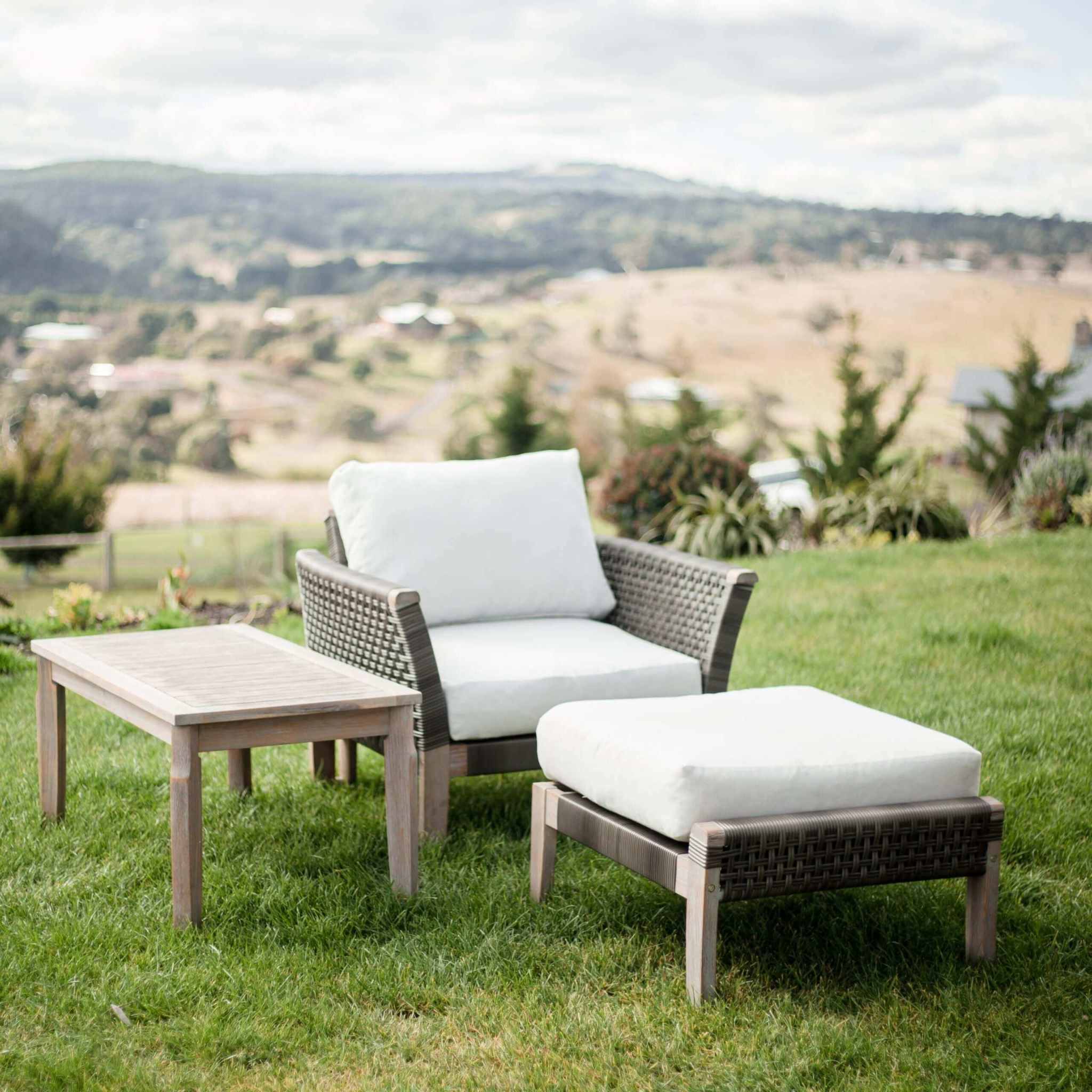
Coastal + Mid-century in a Sydney apartment: light oak coffee table, rattan accent chairs, clean-lined sofa
-
Japandi + Industrial in a Melbourne warehouse: minimalist timber dining table, black metal pendant lights, organic ceramic decor
Choose a Hero Piece to Anchor the Room
Every well-designed room needs a dominant piece—one item that sets the tone and draws attention. This focal point helps everything else feel intentional rather than like mismatched furniture thrown together.
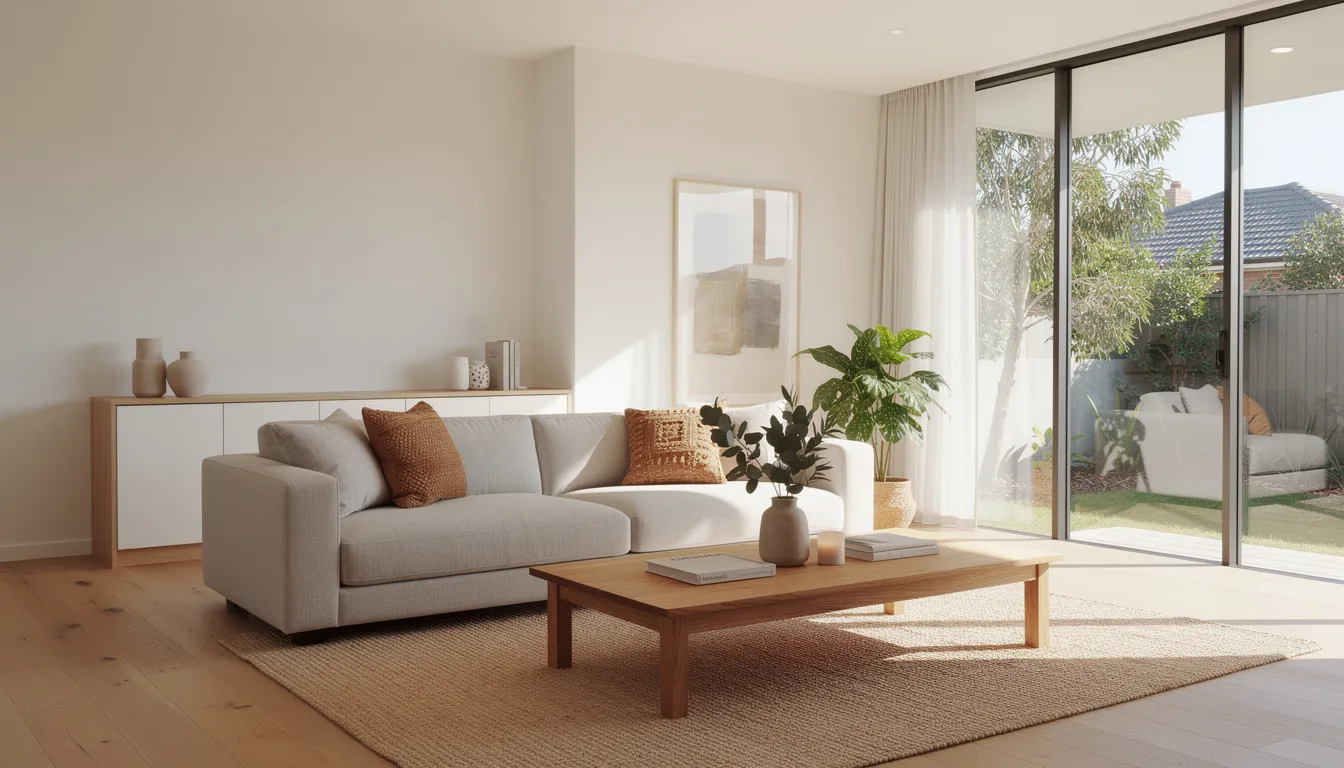
For living rooms, your hero piece is typically the sofa or couch. A 3-seater works well for medium rooms (around 20–25 square metres), while a modular or sectional sofa suits larger open-plan spaces. Keep the colour neutral so you can layer in other styles around it.
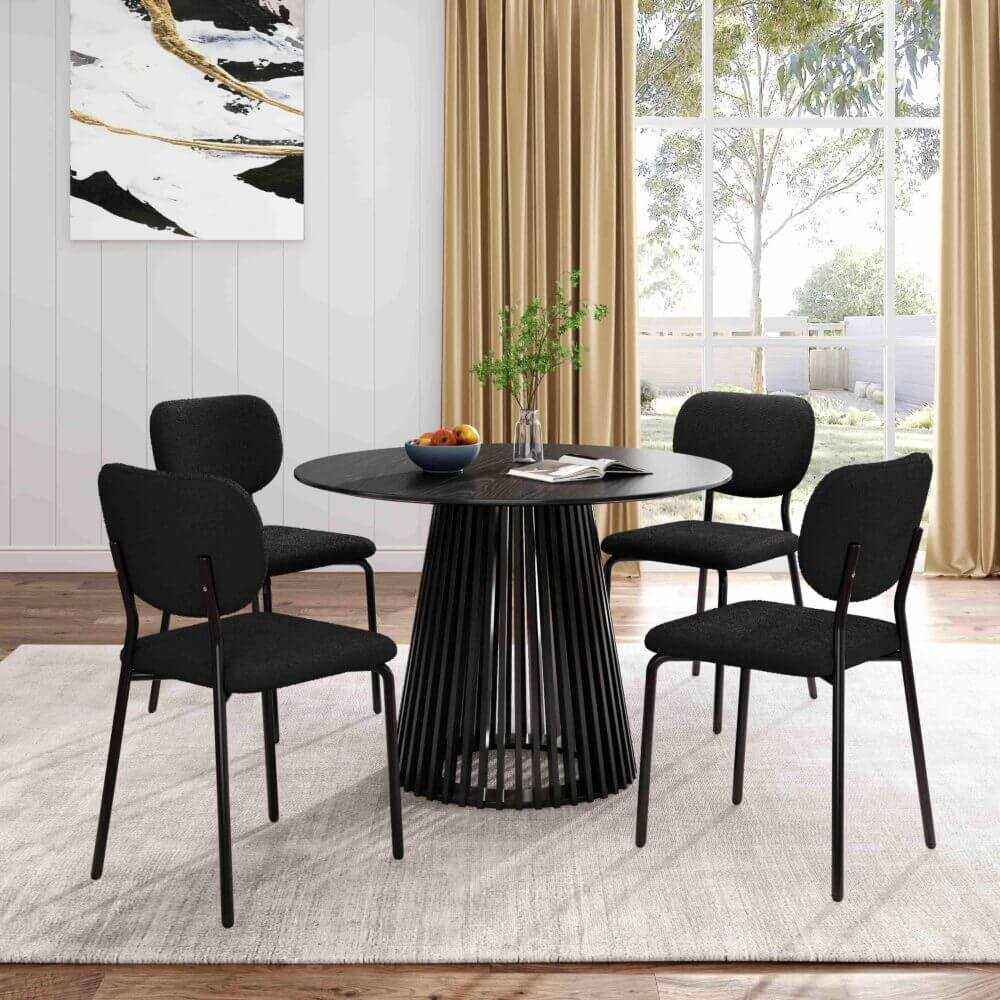
For dining areas, the dining table becomes your anchor. A round 4-seater table works well in compact apartments, while a rectangular 6–8-seater suits family homes. The table's material—whether solid timber, marble-look, or glass—will influence every other choice in that space.
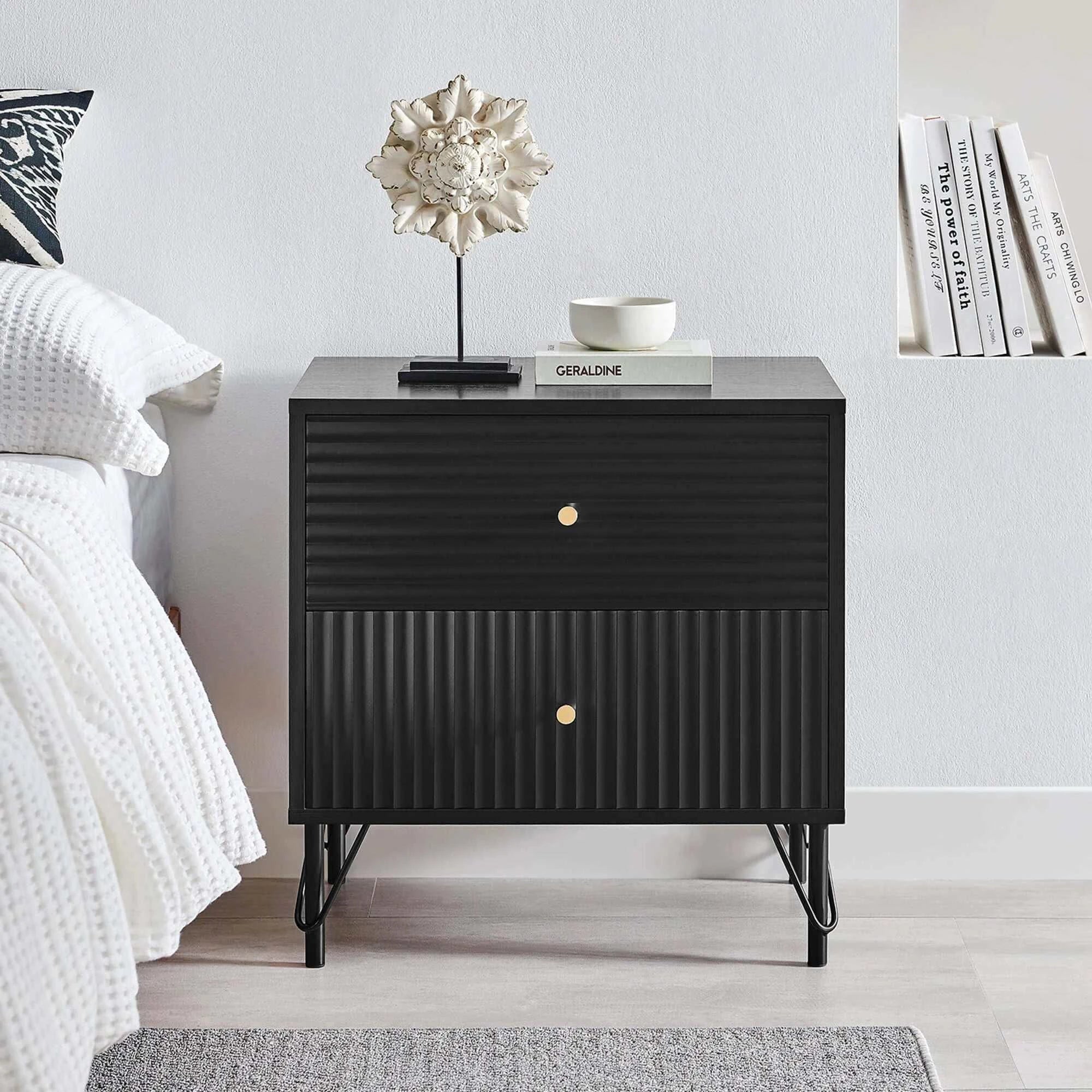
For bedrooms, choose either the bed frame or headboard as your hero. A calm, timeless style in neutral colours works best here, giving you flexibility to experiment with bedside tables and lamps from different eras.
At Upinteriors, modern sofas, timber dining tables, and contemporary bed frames are designed to function as these anchors. Their clean lines and high-quality materials provide a stable foundation that complements other pieces rather than competing with them.
Stick to a Calm Colour Palette
A limited colour scheme is the fastest path to mixing styles without visual clutter. When your colour palette is cohesive, even furniture from wildly different design styles can coexist peacefully.
The classic approach is the 60-30-10 rule:
-
60% dominant colour (walls, large furniture like your sofa and dining table)
-
30% secondary colour (rug, curtains, other furniture)
-
10% accent colours (cushions, throws, wall art)
For maximum flexibility, keep big-ticket items in neutral colours—white, oatmeal, warm grey, soft taupe, or greige. These neutrals anchor diverse elements without competing for attention.
Save your accent colours for items that are easy to replace as trends change: pillows, throws, rugs, and small chairs. This approach allows you to refresh your room without replacing major pieces of furniture.
Example palette: Warm white walls, light oak furniture, soft grey sofa, with rust and eucalyptus green as accents through cushions and a statement rug. This creates cohesion while still allowing for personality and contrast.
When working with similar colours across different furniture pieces, the space automatically feels more intentional—even when those pieces come from entirely different styles.
Repeat Materials and Shapes for Cohesion
One of the most effective ways to create cohesion in a mixed-style room is by repeating 2–3 key materials throughout the space. This technique makes different furniture styles look related rather than random.
Material repetition examples:
-
Pair a mid-century oak TV unit with a modern oak dining table.
-
Mix black metal lamp legs with industrial bar stools.
-
Use boucle fabric on both your sofa cushions and accent chairs.
-
Repeat brass hardware on a console table and a side table
The same principle applies to shapes. Rounded sofa arms paired with a circular coffee table and curved wall art can soften a boxy room and make the mix feel cohesive. Angular pieces work together, too—maintain consistency.
One critical rule: avoid too many different timber tones. This is where many rooms start to feel cluttered and disjointed. Choose one dominant wood (like light oak or walnut) and one secondary tone at most. Repeat each timber at least twice so it feels intentional.
Upinteriors' locally produced timber pieces and metal-frame furniture make it straightforward to build these repeating elements. Collections often share materials and colour stories, so mixing sofas, dining tables, and decor becomes much easier.
Balance Scale, Proportion, and Visual Weight
Here's something many people miss: clutter isn't only about how many items you have—it's about how big and visually heavy they feel together.
Visual weight refers to how "heavy" a piece appears. A consistent colour scheme is the strongest tool for tying disparate styles together.
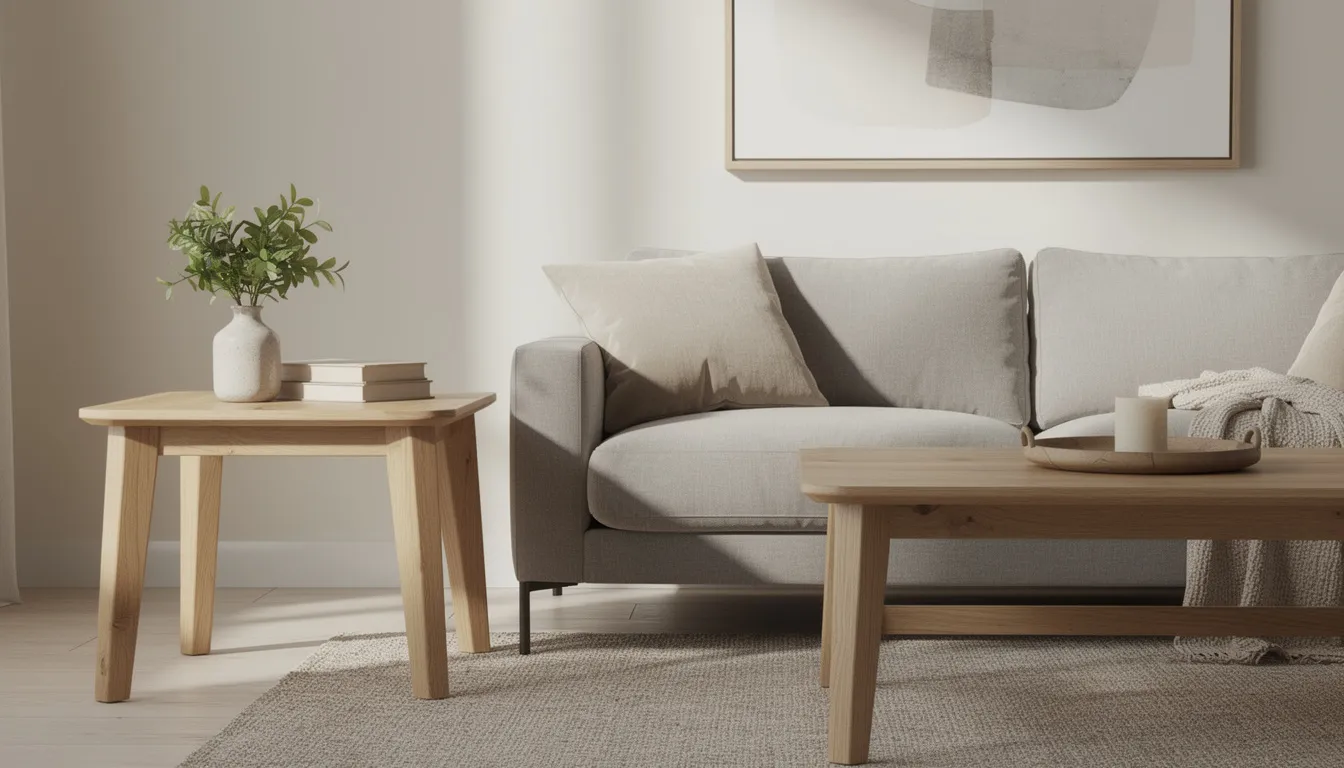
Dark colours, chunky legs, dense materials, and heavy textures all increase visual weight. Light colours, slim legs, glass, and airy textures reduce it.
The key is balance. Mix one substantial item with lighter counterpoints:
|
Heavy pieces |
Lighter counterpoints |
|---|---|
|
Deep leather sofa |
Slim-leg armchairs |
|
Chunky timber coffee table |
Glass or metal side table |
|
Dark bookcase |
Open shelving unit |
|
Solid timber dining table |
Different chairs with slender frames |
|
In small rooms, be especially careful about oversized sectionals or king beds that leave no negative space around them. A room's feel can shift dramatically when furniture overwhelms the floor area. |
|
Maintaining scale and proportion in furniture selection prevents overcrowding.
Practical checks:
-
Can you see some skirting boards and floor area?
-
Are furniture pieces at similar seat or table heights?
-
Do you have at least one visually light piece balancing each heavy one?
Use Layout and Negative Space to Avoid Clutter
The same furniture can feel either relaxed and open or cramped and chaotic—it all depends on the layout. Smart furniture layout is just as important as the pieces themselves.
For open-plan spaces, create distinct zones:
-
Your sofa and rug form the living room zone.
-
The dining table and pendant light define the dining room zone.
-
A console table or bookshelf can act as a subtle divider
Maintain clear walkways of at least 80–90 cm behind sofas and around dining tables. This keeps the room feeling open and functional, especially in Australian homes where indoor-outdoor flow matters.
Symmetry—or near-symmetry—naturally calms down a mix of styles. Matching living room furniture arrangements (such as paired accent chairs or identical bedside tables) provides visual rest amid variety.
After the first mention of negative space, leaving negative space between furniture items allows for individual appreciation of each item.
Example layout for a smaller apartment: Position the sofa facing the TV unit, with a slim console behind it to define the space. Place a round dining table off to the side near the kitchen. This arrangement maintains circulation, creates clear zones, and leaves negative space for the eye to rest.
Add Pattern and Texture Without Overwhelming
Patterns and textures bring a mixed-style room to life, but they can easily become cluttered if overused. The key is restraint and layering.
Pattern guidelines:
-
Limit bold patterns to smaller surfaces: cushions, a single hero rug, or one upholstered accent chair.
-
Balance one strong pattern (Persian-style rug, bold striped cushions) with plenty of solids and quieter textures.
-
If mixing multiple patterns, ensure they share similar colours to create cohesion.
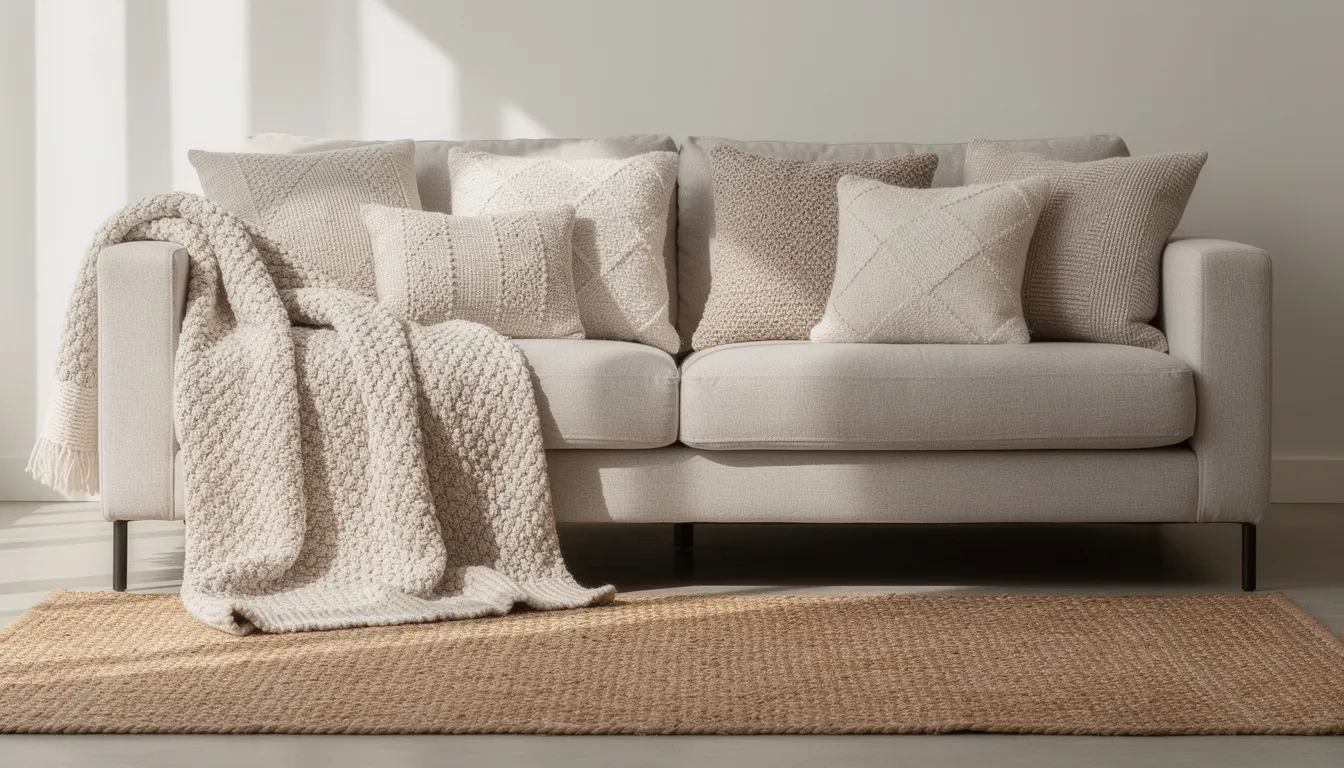
Texture layering: Instead of adding more colours or prints, layer textures in similar tones:
-
Linen sofa with boucle cushions
-
Jute rug under timber coffee table
-
Ceramic vases on a wood console
-
Woven throw over soft furnishings.
This approach adds depth and personality without visual chaos. Your room gains interest through tactile variety rather than competing colours.
Upinteriors' rugs, cushions, and wall art can provide this layer of texture and pattern without requiring bulky additional furniture. A well-chosen rug or set of cushions can transform mismatched furniture into a cohesive look.
Room-by-Room Ideas to Mix and Match Without Clutter
Let's break down specific scenarios for the three main rooms in your house.
Living Room
Start with a neutral contemporary sofa as your hero piece. Add a mid-century timber coffee table with tapered legs. Bring in a coastal-style sideboard or console for contrast. Finish with abstract wall art and a textured rug.
The mix: Contemporary (70%) + Mid-century (20%) + Coastal accents (10%)
Use mismatched chairs—perhaps one modern armchair and one rattan accent chair—to add personality without overwhelming the space.
Dining Room
Anchor with a timber Scandinavian-style table. Pair it with upholstered modern dining chairs or different chairs in the same colour family. Add a contrasting pendant light—perhaps industrial or contemporary—above the table. Keep the walls simple with one or two art pieces.
The mix: Scandinavian (70%) + Contemporary (20%) + Industrial accent (10%)
Side chairs in a complementary fabric can tie mismatched chairs together beautifully.
Bedroom
Choose a simple upholstered bed frame as your anchor. Mix in vintage-style bedside tables with modern lamps. Add soft furnishings in similar colours across cushions and throws. Keep decor minimal—one statement piece of wall art rather than a gallery wall.
The mix: Contemporary (70%) + Vintage accents (30%)
Build each room in layers: big functional furniture sets first, then storage pieces, then decor from Upinteriors at the end. This staged approach helps you avoid impulse buys that don't fit your needs.
Common Mistakes to Avoid When Mixing Furniture
Avoiding a few key errors will keep your space feeling clean and intentional rather than chaotic.
Mistake 1: Buying complete matching furniture sets. A matching bed, bedside, and tallboy from the same range look flat and lack personality. Break the matchy-matchy approach by choosing at least one piece from a different collection.
Mistake 2: Too many strong colours and patterns. More than 2–3 accent colours or multiple bold patterns competing for attention creates visual noise. Keep your dominant pieces in neutral colours and save boldness for small accessories.
Mistake 3: Overfilling rooms with furniture. Especially in post-2010 Australian apartments with smaller footprints, resist the urge to fill every corner. A room with fewer, well-chosen pieces always feels larger and calmer.
Mistake 4: Combining too many heavy pieces. A dark leather sofa, a chunky timber coffee table, and a large bookcase with no lighter counterpoints make a room feel oppressive. Balance is key.
Mistake 5: No unifying element. Without a shared colour, material, or shape repeated throughout, different styles look like random furniture rather than curated design ideas.
Multi-functional furniture helps to reduce clutter in living spaces.
Consider adopting a "one in, one out" habit: when new furniture arrives, sell or donate an older item. This prevents gradual accumulation that leads to clutter.
How Upinteriors Helps You Mix and Match Confidently
Upinteriors is an Australian online destination for curated, mix-friendly furniture pieces and home decor. The collections are designed with cohesion in mind—shared materials, colour stories, and design sensibilities that work together even when you're blending styles.
What makes mixing easier with Upinteriors:
-
Locally produced items with consistent quality
-
Modern, versatile designs that work across Coastal, Contemporary, and Scandi-inspired interiors
-
Wall art, rugs, and cushions that add personality without bulk
-
Competitive pricing that lets you invest in hero pieces while saving on accents
Browse by room—living, bedroom, dining—and filter by colour and material to build your cohesive palette before purchasing. Start with a hero piece, such as a timber dining table or a contemporary sofa, then layer in decor for a complete yet uncluttered look.
Finding inspiration online is easy; FB Marketplace and other platforms offer endless options. But Upinteriors' curated approach takes the guesswork out of mixing, ensuring pieces relate to each other even when they're not from the same collection.
FAQ
How many different furniture styles can I mix in one room?
Most homes work best when one main style dominates 70% of the furniture, and a clearly secondary style accounts for about 20%. A third style should appear only through very small accents—cushions, lamps, or a single piece of art. Going beyond this often makes rooms feel busy and unfocused unless you're very experienced with design. Think in percentages to keep your mix under control.
Can I mix different timber tones without making my space look messy?
Absolutely—but treat one timber as dominant and one as an accent rather than using many different tones. If your dining table and sideboard are light oak, consider an accent of a walnut side table or dark timber picture frames. Repeat each timber at least twice so it feels intentional. A rug or textiles in warm neutral tones can bridge different timber undertones and tie everything together.
What is the easiest room to start experimenting with mixed furniture?
Living rooms and bedrooms are ideal starting points. Both anchor easily to a single hero piece (sofa or bed), and you can test different combinations with smaller items like side tables, cushions, or lamps before committing to larger purchases. Dining rooms often have fewer pieces, meaning every item stands out more and requires careful coordination—save these for when you're more confident.
How do I mix and match on a tight budget?
Prioritise one quality hero item—like a sofa or bed frame—and save on side tables, stools, and decor that can be upgraded later. Reuse existing pieces and update them with new textiles, wall art, or lighting rather than replacing everything at once. Shop in stages over several months to avoid impulse buys that don't fit your overall plan. A fun approach is sourcing smaller accent pieces second-hand while investing in key items from Upinteriors.
Can furniture be placed in front of windows or sliding doors?
Low, slim pieces like benches, narrow consoles, or low-back sofas can sit in front of windows without blocking light. However, avoid placing tall, bulky units in front of key light sources or balcony doors—this makes rooms feel smaller and more cluttered. In Australian homes where indoor-outdoor flow is important, leave at least partial clear access to sliding doors. The goal is to maintain that sense of openness while making full use of your space.