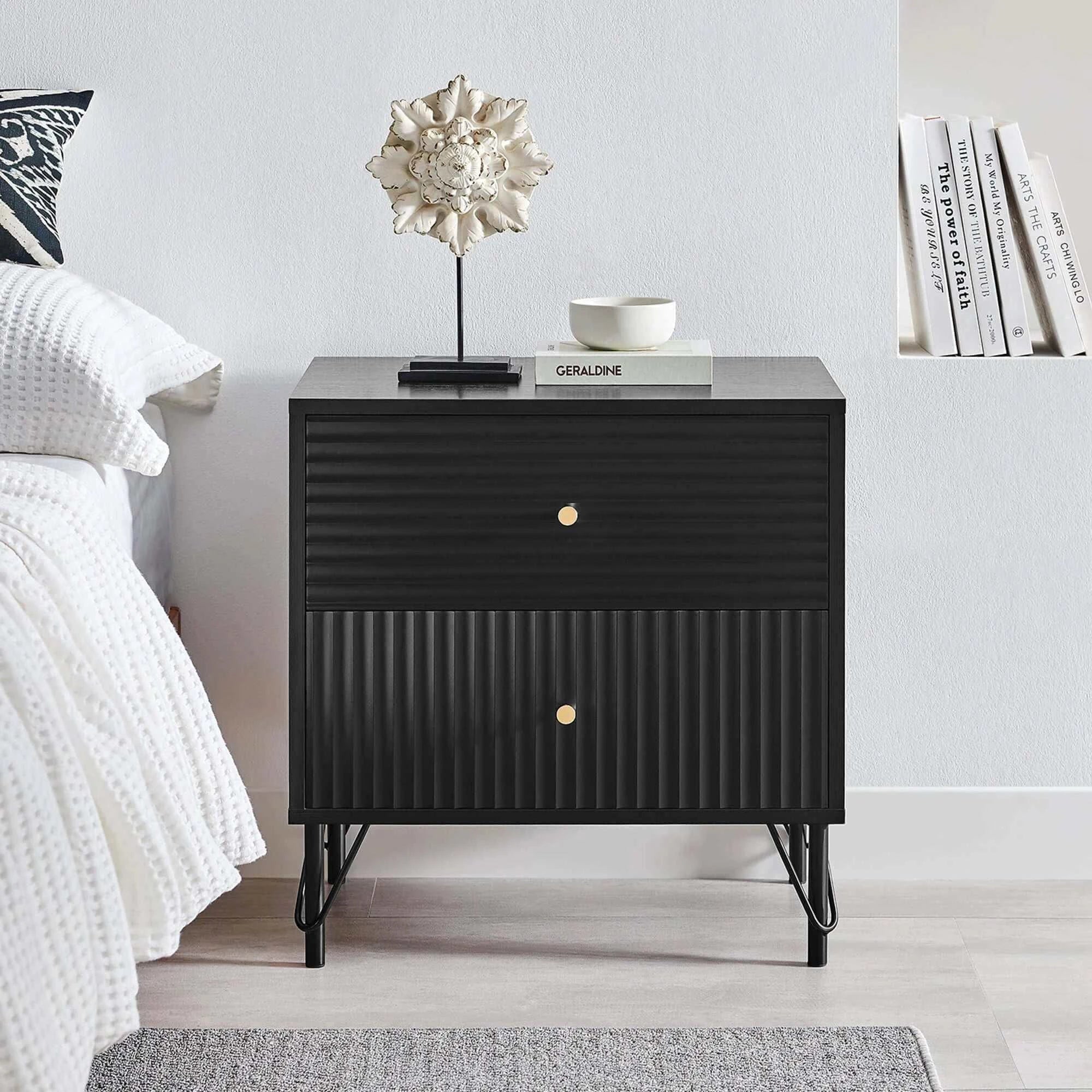
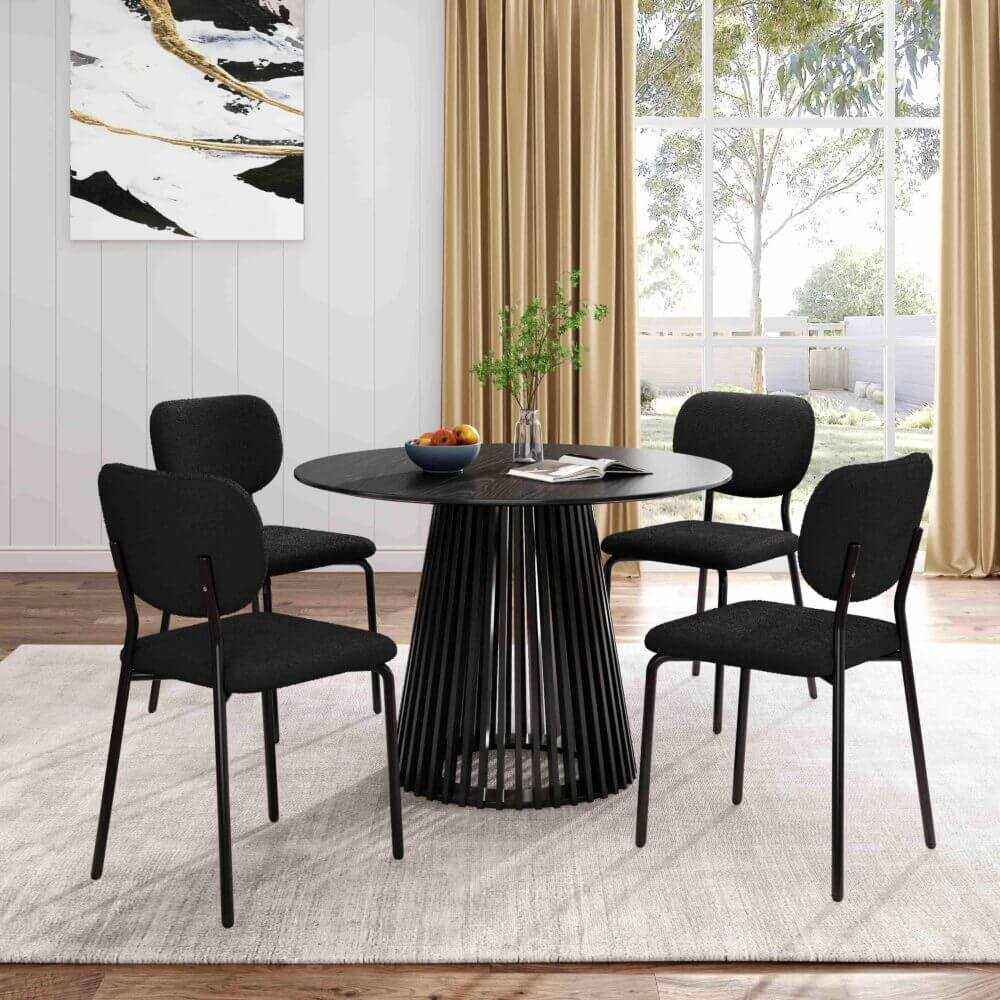
We understand that finding the top furniture stores that offer a fantastic range of bedroom furniture so that you don't have to break the bank can be difficult, but with our excellent craftsmanship and affordable furniture range, you can be confident that you're getting the greatest value for your money. From futuristic ideas to traditional classics, our top selections from the best online furniture can help you build the bedroom of your dreams while staying within your budget.
So, whether you're searching for a modern platform bed, a cosy nightstand, or a striking dresser, we have just all the right things to make your bedroom elegant and cosier. Shop now and prepare to change your sleeping space into a fashionable and comfy refuge.
Factors to consider when choosing Bedroom Furniture
Bedroom furniture is a vital part of our life. It's where we sleep, relax, and spend precious time. Choosing the appropriate bedroom furniture is vital for several reasons. Whether you're relocating to a new home or updating your bedroom, there are various considerations to consider. The following are the most significant elements to consider while selecting bedroom furniture.
Style and Design
When it comes to choosing bedroom furniture, the first thing to consider is your style and design tastes. It's critical to select furniture that matches your personality and taste. You can choose from traditional, contemporary, and modern designs. Your furniture should fit the color palette of your bedroom. At Upinteriors, you get to choose from our wide variety of styles and designs to make your bedroom into a luxurious escapade you deserve after a long day of work.
If you have an elegant traditional taste like us, our Artiss Bed Frame will be just perfect to give you traditional vintage vibes.
On the other hand, if you want to go with a modern touch for your bedroom, our Milan Grey Velvet Tufted Bed Frame will just do wonders to your bedroom adding a modern touch.
Quality and Durability
Bedroom furniture is a long-term investment, so choosing furniture that is durable and long-lasting is important. Ensure that the furniture is made of high-quality materials, such as hardwood, solid wood, or metal. Look for superior finishes, sturdy construction, and smooth hardware. After a long day at work, you need something to relax on and get refreshed, so it is important that you choose furniture that screams quality and durability. At Upinteriors, we have a lot of options for you when it comes to quality and durability. You can choose from a wide array of wooden bed frames, metal frames, and more.
Budget
Your money is another key consideration when choosing bedroom furniture. Create a budget and stick to it. It is feasible to acquire high-quality furniture while staying within your budget. Do some research and compare pricing. Remember that a higher price does not always mean better quality. But not at Upinteriors. All of our products are crafted with high-end materials to ensure you don't compromise on quality while shopping for your favourites. We offer numerous options in all categories to make sure you don't miss out on your style and design when it comes to furniture.
Space and Size
Finally, keep your bedroom's size in mind when choosing furnishings. Make sure the furniture fits comfortably within the space. If you have limited room, select utilitarian furniture like storage beds, nightstands with drawers, and wardrobes with shelves. Even if you have a big bedroom, beds with storage are always a good pick. You can store extra blankets and sheets and pillows all in one place, leaving your wardrobe for more clothes and whatnot. With our Brunet Bed Frame, you get plenty of room for your supplies, and what a great way to end the day with your favourite book and an in-built storage frame to store your night essentials closer to you!
Final Words
When buying bedroom furniture, it is crucial to do your research, compare pricing, consider customization choices, and verify warranty and return policies. At Upinteriors, if you are not satisfied with the furniture you have purchased, you can return it within 30 days. Adding to it, we also provide free and fast delivery all over Australia so that you do not have to wait for your favourite furniture. We are committed to providing you with the best user experience while shopping online and never compromising on quality.
How to Create a Resort-Style Outdoor Living Space
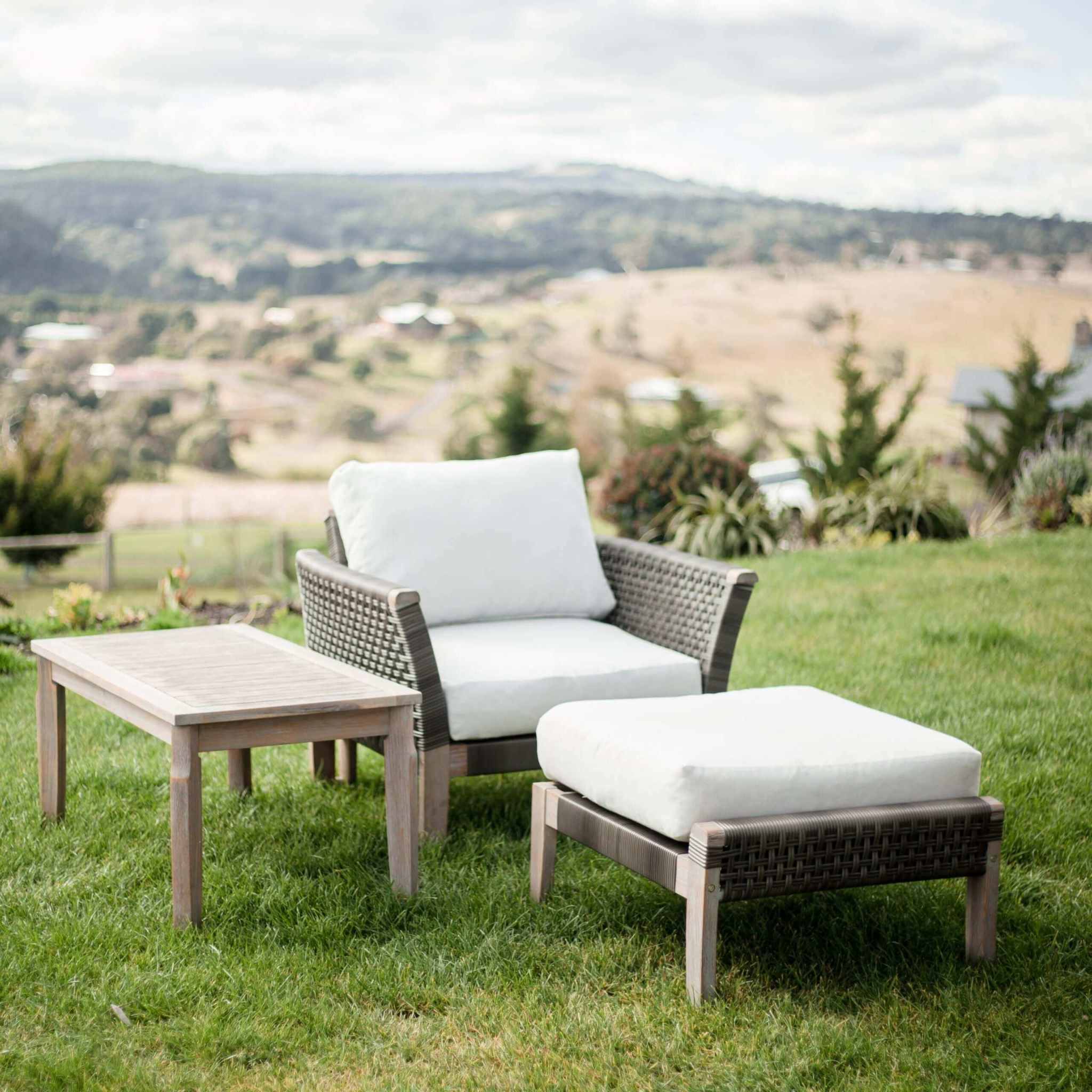
A beautiful backyard should feel like a getaway the moment you step outside. The best resort-inspired spaces are not just pretty. They feel comfortable and intentional. They are easy to use. They are designed around how you relax. Whether you have a large patio, a small deck, a pool area, or a garden corner, you can build a resort-style outdoor space. Use smart layout, comfort, shade, lighting, plants, and thoughtful details.
Use the steps below to turn your outdoor space into an outdoor oasis.It will feel polished, welcoming, and worthy of a vacation.
1. Define the Experience You Want
Before buying furniture or choosing plants, decide how you want the space to feel and function. Resorts are successful because every area has a purpose. There is a place to lounge, a place to dine, a place to cool off, and a place to gather.
Start by asking:
Do you want a quiet retreat for reading and morning coffee?
Do you host family dinners or casual weekend gatherings?
Do you want the space to feel tropical, coastal, modern, Mediterranean, or spa-like?
Do you need room for kids, pets, or poolside activity?
Will you use the area mostly during the day, at night, or both?
Once you know the main purpose, it becomes easier to make design choices. A relaxing outdoor lounge may need deep seating, soft lighting, and side tables. A dining-focused patio may need a larger table, shade, and nearby serving space. A poolside retreat may need chaise lounges, umbrellas, towel storage, and durable materials.
2. Create Distinct Outdoor Zones
A resort-style space rarely feels like one flat patio with furniture pushed against the edges. Instead, it has zones that guide movement and create a sense of arrival.
Think of your outdoor area in sections:
Lounge zone: Sofas, lounge chairs, or sectionals for conversation and relaxation.
Dining zone: A table and chairs for meals, drinks, or games.
Sun zone: Chaise lounges or daybeds for soaking up warmth.
Shade zone: A covered area, pergola, umbrella, or canopy for cooling off.
Feature zone: A fire pit, water feature, garden wall, outdoor kitchen, or statement planter.
Even a small patio can have zones. For example, one corner can hold a loveseat and two chairs, while the opposite side holds a bistro table and potted plants. Use outdoor rugs, planters, screens, lighting, or furniture placement to separate each area visually.
3. Choose a Cohesive Design Style
A true resort look feels curated rather than random. You do not need everything to match perfectly, but the colours, materials, and shapes should work together.
Popular resort-inspired styles include:
Coastal: White, sand, soft blue, natural wood, linen-like fabrics, woven textures.
Tropical: Lush greenery, teak, rattan, bold leaves, warm neutrals, black accents.
Modern luxury: Clean lines, charcoal, cream, stone, metal frames, sculptural planters.
Mediterranean: Terracotta, olive trees, stucco textures, warm woods, patterned tile.
Spa-inspired: Soft neutrals, water features, bamboo, smooth stone, minimal clutter.
Pick one primary direction and repeat it throughout the space. Repetition makes your resort-style outdoor living space feel intentional. For example, if you choose a coastal style, repeat woven textures in baskets, lanterns, and chair frames. If you choose a modern style, repeat dark metal, pale cushions, and concrete planters.
4. Invest in Comfortable Outdoor Seating
Comfort is what separates a basic patio from an outdoor retreat. Resort seating invites people to stay longer, stretch out, and relax.
Look for:
Deep seats with supportive cushions
Weather-resistant frames such as teak, aluminium, resin wicker, or powder-coated metal
Performance fabrics designed for outdoor use
Modular pieces that can be rearranged
Lounge chairs with adjustable backs
Ottomans, poufs, or footrests for added comfort
For an outdoor lounge, avoid relying only on upright dining chairs. Add at least one piece that encourages relaxation, such as a chaise, hanging chair, daybed, sectional, or cushioned bench.
If your budget is limited, prioritise the seating you will use most. A high-quality sofa or set of lounge chairs can anchor the entire space. You can then add more affordable accents, such as side tables, pillows, lanterns, and planters, over time.
5. Layer Shade for All-Day Comfort
Shade is essential for a resort atmosphere. It makes the space more usable, protects furniture, and creates a calm, sheltered feeling.
Consider these options:
A large market umbrella for flexible shade
A cantilever umbrella for poolside or lounge areas
A pergola with climbing plants or fabric panels
A retractable awning for patios near the house
Shade sails for a modern look.
Outdoor curtains for privacy and sun control
Trees or tall plants for natural shade
For the most inviting result, combine multiple sources of shade. A pergola over the dining area and an umbrella near the lounge can make the whole backyard feel like a resort. Soft, filtered shade is especially effective because it creates comfort without making the space feel dark.
6. Add Resort-Level Greenery
Plants are one of the fastest ways to turn a patio into an outdoor oasis. They soften hard surfaces, add privacy, create movement, and make the environment feel lush.
Use a mix of plant types:
Tall plants for height and privacy
Medium shrubs for structure
Trailing plants for softness
Large-leaf plants for a tropical effect
Herbs or fragrant plants for sensory appeal
Potted trees for a high-end resort look
Group planters in odd numbers for a natural, styled effect. Vary the heights and pot sizes so the arrangement feels layered. Large planters often look more luxurious than many tiny pots, especially near seating areas or entry points.
If you want a low-maintenance setup, choose plants suited to your climate and sunlight conditions. Native or drought-tolerant plants can still feel elegant when arranged thoughtfully. The goal is not to create a high-maintenance jungle; it is to build a lush backdrop that feels relaxing and alive.
7. Use Outdoor Rugs to Ground the Space
An outdoor rug instantly makes a patio or deck feel like a room. It defines zones, adds softness underfoot, and brings colour or texture into the design.
Choose a rug that is:
Made for outdoor use
Easy to clean
Large enough to fit under the main furniture pieces
Coordinated with your colour palette
Comfortable for bare feet
For a lounge area, the front legs of sofas and chairs should ideally sit on the rug. This makes the furniture feel connected rather than scattered. For dining areas, choose a rug large enough that chairs remain on it when pulled out.
Neutral rugs create a calm resort look, while subtle patterns can add personality without overwhelming the space.
8. Build Ambience With Layered Lighting
Lighting is one of the most important parts of a resort-style atmosphere, especially if you want to enjoy the space after sunset. The best outdoor lighting is layered, not harsh.
Include a mix of:
String lights for a warm overhead glow
Lanterns for pathways, tables, or corners
Wall sconces near doors or covered patios
Uplights for trees or architectural features
Step lights for safety
Solar lights for garden edges
Candles or flameless candles for softness
Avoid relying on a single bright floodlight. It can make the area feel exposed rather than relaxing. Warm, low-level lighting is usually more flattering and inviting.
Place lighting where people gather, walk, and dine. Highlight plants, water features, or textured walls to create depth. When done well, lighting can make even a simple backyard feel like a private resort retreat.
9. Add a Water or Fire Feature
Resorts often use sensory elements to create calm and atmosphere. You can do the same with water, fire, or both.
A water feature can include:
A small fountain
A bubbling urn
A wall-mounted water feature
A reflecting bowl
A pool, plunge pool, or spa if your space allows
The sound of moving water helps mask neighbourhood noise and adds a peaceful quality to the space.
A fire feature can include:
A gas fire pit
A wood-burning fire bowl
A tabletop fire feature
An outdoor fireplace
A built-in fire lounge area
Fire creates a natural gathering point and extends the use of your outdoor area into cooler evenings. If you choose a fire element, follow all local safety rules. Place it far from furniture, plants, buildings, and overhead covers.
10. Incorporate Textiles for a Finished Look
Textiles bring softness, comfort, and personality to your outdoor space. Without them, even expensive furniture can feel unfinished.
Add:
Outdoor throw pillows
Lightweight blankets
Cushioned ottomans
Outdoor curtains
Seat cushions
Pool towels in coordinated colours
Stick to a controlled palette for a polished effect. For example, use cream, taupe, and olive for a spa look, or white, navy, and natural wood for a coastal look. Mix solids with subtle patterns, but avoid using too many competing prints.
Choose outdoor-rated fabrics whenever possible. They are designed to handle sun, moisture, and everyday wear better than indoor fabrics.
11. Make Dining Feel Effortless
Outdoor dining is a major part of the resort experience. You do not need a full outdoor kitchen to make meals feel special. Focus on comfort, convenience, and presentation.
Consider adding:
A dining table sized for your usual group
Comfortable chairs with cushions
A serving cart or console table
Outdoor-safe dinnerware
A beverage station or cooler
Shade over the dining area
Soft lighting above or around the table
If you entertain often, keep essentials nearby in a weather-resistant cabinet or storage bench. Items like napkins, placemats, citronella candles, serving trays, and reusable drinkware can make hosting easier.
For a smaller space, a bistro set can still feel resort-inspired when paired with potted plants, lanterns, and a beautiful umbrella.
12. Add Privacy Without Closing Everything In
Privacy helps an outdoor space feel calm and exclusive. The key is to create screening without making the area feel boxed in.
Good privacy options include:
Tall planters with grasses or shrubs
Slatted wood screens
Outdoor curtains
Trellises with climbing plants
Hedges or small trees
Decorative panels
Pergola side screens
Place privacy elements where they matter most. Put them behind the seating area. Place them near a hot tub. Add them along a visible property line. You do not need to block every view. Partial screening often feels more natural and keeps the space open.
13. Include Smart Storage
A resort-style space looks calm because clutter is kept under control. Towels, toys, cushions, garden tools, and grilling supplies can quickly make a patio feel messy if there is nowhere to put them.
Useful storage ideas include:
Outdoor storage benches
Deck boxes
Cabinets near dining or grilling areas
Baskets for towels or blankets
Hooks for hats, robes, or pool items
Side tables with hidden storage
Storage should be convenient enough that people actually use it. Place cushion storage near seating, towel storage near the pool or spa, and dining storage near the table.
14. Style With Resort-Inspired Details
Finishing touches make the difference between a furnished patio and a memorable retreat. Choose details that feel relaxed, elevated, and useful.
Try adding:
Oversized lanterns
Sculptural planters
A tray on the coffee table
A stack of rolled towels
Ceramic bowls or vases
Outdoor art
A hammock or hanging chair
A small speaker for music
A basket of blankets for evening use
Keep surfaces styled but not crowded. A tray with a candle, small plant, and drinkware can be enough. Resorts feel luxurious because they balance beauty with breathing room.
15. Plan for Easy Maintenance
A beautiful outdoor space should not become a burden. Choose materials and layouts that are realistic for your lifestyle.
To keep maintenance manageable:
Select weather-resistant furniture and fabrics.
Use washable cushion covers when possible.
Choose plants suited to your climate.
Store textiles during extreme weather
Sweep or rinse flooring regularly.
Clean rugs and cushions seasonally
Use furniture covers during long periods of non-use.
Keep pruning and watering routines simple.
A low-maintenance resort-style outdoor living space is more enjoyable because it stays inviting with less effort. The goal is to spend more time relaxing outside, not constantly managing the setup.
16. Use Scent and Sound to Complete the Atmosphere
A true outdoor oasis appeals to more than the eyes. Scent and sound can make the space feel immersive.
For scent, consider:
Lavender
Jasmine
Rosemary
Mint
Gardenia
Lemon balm
Citronella plants or candles
For sound, consider:
A small water fountain
Wind chimes with a soft tone.
Outdoor speakers
Rustling ornamental grasses
A playlist for dining or lounging
These details should be subtle. You want the environment to feel calm, not overwhelming.
17. Refresh the Space Seasonally
You do not need to redesign your backyard every season. Small updates can keep it feeling fresh and inviting.
Easy seasonal refreshes include:
Swapping pillow covers
Adding seasonal flowers
Changing table linens
Updating lanterns or candles
Rotating throws and cushions
Refreshing mulch or planter arrangements
Rearranging furniture for sun or shade
In warmer months, keep the space breezy with light fabrics and fresh greenery. In cooler months, add throws, fire features, and warmer tones.
Common Mistakes to Avoid
As you design your outdoor retreat, watch for these common issues:
Choosing furniture that looks good but is not comfortable
Forgetting shade in sunny areas
Using too many colours or styles at once
Buying small decor instead of investing in key anchor pieces
Ignoring lighting until the end
Overcrowding the patio with furniture
Choosing plants that do not suit the environment
Leaving no storage for everyday items
Placing the grill, dining area, or lounge in an inconvenient spot
A resort-inspired space should feel easy. If a design choice makes the area harder to use, rethink it.
Final Checklist
Before you call the space complete, walk through this quick checklist:
The main purpose of the space is clear.
Seating is comfortable and arranged for conversation.
There is enough shade for daytime use.
Lighting creates a warm evening atmosphere.
Plants add softness, height, and privacy.
Textiles make the area feel cozy and finished.
Dining or drink service is convenient.
Storage keeps clutter out of sight.
Materials are suitable for outdoor conditions.
The space feels relaxing, not overcrowded.
Creating a resort-inspired backyard is not about copying a luxury hotel. It is about designing an outdoor space that helps you slow down, gather comfortably, and enjoy your home in a more meaningful way. With the right layout, you can transform almost any patio, deck, or garden. Add cozy seating. Use layered lighting. Bring in greenery. Finish with a few simple touches. You will create a personal retreat that feels like a vacation just outside your door.
Choosing the right dining table material can transform your dining space. It's not just about looks; durability and maintenance matter too.
Oak, marble, ceramic, and sintered stone are popular choices. Each offers unique benefits and challenges.
Oak is known for its timeless appeal and strength. It fits well in both traditional and modern settings.
Marble exudes luxury and elegance. Its unique patterns make each table a statement piece.
Ceramic tables are practical and stylish. They resist scratches and heat, ideal for busy households.
Sintered stone is a newer option, offering high durability and versatility. It mimics natural stone beautifully.
Understanding these materials helps you make an informed decision. Your choice will impact your dining room's style and functionality.
Understanding Dining Table Materials: What Matters Most?
Selecting the best dining table materials involves more than aesthetics. It's crucial to consider several factors that affect both form and function.
Durability is a primary concern. Dining tables endure spills, heat, and daily wear. Hence, your chosen material should withstand these demands.
Maintenance requirements can also differ across materials. Some need regular upkeep to remain in peak condition. Think about how much time you want to invest.
Visual appeal sets the tone for your dining space. Each material brings a unique texture and style, influencing the room's overall ambience.
Budget plays a key role too. Material costs vary, impacting your wallet differently. Opt for a material that balances cost with longevity and appeal.
To sum up, consider these core factors when choosing your dining table material:
Durability
Maintenance
Aesthetic
Cost
Reflect on these aspects as you explore options.
Oak Dining Tables: Timeless Warmth and Durability
Oak dining tables boast durability and versatility. This timeless wood suits both traditional and modern decor. Oak is renowned for its strength, providing a solid table that withstands daily use.
The warm hue of oak brings a cozy ambience. It can soften stark interiors, adding an inviting tone. This wood is a favourite among homeowners.
Oak's grain patterns contribute to its aesthetic appeal. Each table becomes unique, showcasing nature's artistry. This natural beauty remains stylish over time.
Sustainability is another advantage. Oak is a renewable resource. Choose tables made from responsibly sourced wood for an eco-friendly option.
Maintenance of oak tables is straightforward. Regular dusting and occasional polishing keep them gleaming. They require less attention than more delicate materials.
The weight of oak offers stability but can be cumbersome. Consider this if you anticipate frequently moving your table. Rearranging furniture might pose a challenge with oak's heft.
Oak dining tables complement a variety of home styles. They effortlessly blend with different colour palettes and textures. This flexibility ensures they remain a staple in home design.
Pros of Oak Dining Tables
Oak offers numerous benefits as a dining table material:
Durable and long-lasting
Warm and inviting appearance
Versatile in styling
Renewable resource
These qualities make oak a practical and stylish choice for many homeowners.
Cons of Oak Dining Tables
However, oak tables do have some drawbacks:
Can be heavy and hard to move
May require periodic refinishing to maintain appearance
Can be costly compared to other woods
Understanding these cons can help in making an informed decision.
Best Use Cases for Oak Tables
Oak tables suit various spaces and purposes:
Classic or rustic kitchens
Family dining rooms
Elegant dining areas
Their design flexibility allows them to fit into many settings, making them highly desirable.
Marble Dining Tables: Luxury and Unique Beauty
Marble dining tables exude luxury and elegance. Each piece of marble is distinct, showcasing individual veining and patterns. This uniqueness makes marble tables an eye-catching centrepiece in any dining room.
The cool, polished surface of marble adds sophistication. It elevates dining areas with a touch of class. Many interior designers favour marble for high-end homes.
However, the beauty of marble comes with care requirements. It is prone to scratches, stains, and etching from acidic substances. Regular maintenance is necessary to keep it looking pristine.
Choosing marble means opting for a natural stone. This comes with environmental considerations due to mining impacts. Consider sourcing marble from ethical, sustainable sources.
Despite these challenges, the appeal of marble remains strong. Its timelessness guarantees a long-lasting aesthetic value. Even as trends change, marble maintains its allure.
Marble dining tables often come with a hefty price tag. They are an investment in quality and style. Weighing cost against longevity and appeal is crucial.
Mixing materials can enhance a marble table's functionality. A wooden or metal base can add stability and contrast. This combination suits varied interior designs.
by Tammy Chan (https://unsplash.com/@tatamee)
Pros of Marble Dining Tables
Marble boasts significant benefits for those seeking luxury:
Distinctive and sophisticated appearance
Enhances decor with timeless elegance
Adds value to the home
These attributes make marble an attractive choice for many homeowners.
Cons of Marble Dining Tables
Despite its elegance, marble has notable cons:
Prone to stains and scratches
Requires regular maintenance
High cost compared to other materials
Understanding these downsides aids in making informed decisions.
Best Use Cases for Marble Tables
Marble tables excel in specific settings:
Formal dining rooms
Contemporary spaces
Homes emphasizing luxury
Their elegance suits homes seeking a standout, opulent feature.
Ceramic Dining Tables: Modern, Practical, and Stylish
Ceramic dining tables have gained popularity for their practicality and modern appeal. Known for their durability, they resist scratches, stains, and heat. This robustness is ideal for busy households.
The variety of designs available makes ceramic tables versatile. They can mimic other materials like wood or stone, matching any decor. This adaptability ensures they fit various design themes.
Easy-to-clean ceramic surfaces are family-friendly. Spills and messes wipe away effortlessly, making maintenance a breeze. This convenience appeals to those with active lifestyles.
Ceramic tables are often lighter than natural stone options. Moving or rearranging them is less cumbersome, allowing for flexibility in dining spaces.
Choosing a ceramic dining table often means lower environmental impact. Many are made with sustainable production methods and recycled materials. This eco-friendly nature is appealing to many conscious consumers.
The aesthetic options for ceramic tables continue to expand. From glossy finishes to textured surfaces, choices abound. Each option offers unique tactile experiences and visual appeal.
However, ceramic can sometimes feel cold to the touch. This may not suit everyone, as some prefer the warmth of wood. Consider this tactile aspect when deciding on a material.
Despite this minor drawback, ceramic remains a strong contender. Its stylish durability promises both form and function. For many, ceramic embodies the future of dining design.
by GoodLifeConstruction (https://unsplash.com/@goodlifeconstruction)
by Clay Banks (https://unsplash.com/@claybanks)
Pros of Ceramic Dining Tables
Ceramic tables offer several distinct advantages:
Highly durable and resistant to scratches
Easy to clean and maintain
Available in diverse styles and finishes
These features make ceramics a practical choice for busy homes.
Cons of Ceramic Dining Tables
Despite their many benefits, ceramic tables have some downsides:
May feel cold and less welcoming
Can be expensive compared to other materials
Limited tactile warmth compared to wood
Weigh these considerations when choosing a dining table.
Best Use Cases for Ceramic Tables
Ideal settings for ceramic dining tables include:
Contemporary kitchens
Modern dining spaces
Homes with high-traffic dining areas
Their stylish durability suits active lifestyles and sleek, modern interiors.
Sintered Stone Dining Tables: The New Standard in Performance
Sintered stone is emerging as a top material for dining tables. Known for its impressive strength, it resists scratches and stains effortlessly. This durability makes it perfect for families.
The aesthetic range of sintered stone is vast. It can mimic other materials like marble and wood, offering a wealth of design options. From natural stone finishes to sleek modern looks, it caters to diverse tastes.
Sintered stone is also resistant to heat. Placing hot items directly on the surface won't cause damage. This feature adds to its appeal for everyday dining.
Maintaining sintered stone is straightforward. It doesn't require sealing like natural stone. A simple wipe-down keeps it looking new, saving time on upkeep.
Despite its many benefits, sintered stone remains relatively light. This ease of movement helps when rearranging your dining space. It combines strength with practicality seamlessly.
Another point in its favour is its sustainability. Produced with eco-friendly methods, sintered stone has less environmental impact. This aligns with the values of environmentally conscious buyers.
Overall, sintered stone tables are increasingly popular. Their blend of beauty and resilience makes them a wise investment. Perfect for modern living, they're setting new standards in dining table materials.
by Shoham Avisrur (https://unsplash.com/@shoham_avisrur)
by eke interior (https://unsplash.com/@eke_interior)
Pros of Sintered Stone Dining Tables
Sintered stone tables boast numerous advantages:
Extremely durable, resists scratches and heat
Low maintenance and easy to clean
Available in various styles and finishes
These qualities make sintered stone an exceptional choice for many homes.
Cons of Sintered Stone Dining Tables
While nearly perfect, there are some drawbacks:
Higher cost compared to other materials
Limited availability in some regions
Can feel cold, similar to ceramic
Consider these points when evaluating your dining table options.
Best Use Cases for Sintered Stone Tables
Sintered stone tables shine in specific settings, including:
High-end contemporary dining rooms
Homes valuing low-maintenance surfaces
Areas with modern, sleek design
Their combination of style and function complements many interior designs.
Side-by-Side Comparison: Oak vs Marble vs Ceramic vs Sintered Stone
When choosing a dining table, each material offers unique benefits. Understanding these can guide your decision.
Oak brings warmth and classic appeal. It's durable and can fit both traditional and modern interiors. Oak is also renewable, scoring points for sustainability.
Marble exudes luxury and uniqueness. Each table is distinct with its veining patterns. However, its high maintenance needs and cost can be drawbacks.
Ceramic tables impress with practicality. They resist scratches and heat and are easy to clean. Ceramic's variety in design makes it adaptable to many styles.
Sintered stone combines durability with a modern look. It resists stains and scratches, outperforming other materials. Its eco-friendly production adds to its appeal.
Here's a quick breakdown:
Price: Marble is typically the most expensive; oak and ceramic follow.
Maintenance: Ceramic and sintered stone are easiest; marble requires more care.
Durability: Sintered stone leads, followed by ceramic and oak.
by Lotus Design N Print (https://unsplash.com/@lotusdnp)
In conclusion, prioritise your needs and lifestyle to find the best match. Each material offers distinct advantages that can enhance your dining space.
Key Factors to Consider When Choosing a Dining Table Material
Choosing the right dining table material involves balancing several critical factors. One of the first considerations is the aesthetic appeal of the material. The table's appearance should complement your dining space's overall style.
The durability of the material is crucial, especially in homes with young children or frequent gatherings. You want a material that withstands daily use without showing significant wear.
Ease of maintenance can significantly impact your choice. If you're someone who prefers low-maintenance items, materials like ceramic and sintered stone might be ideal.
The environmental impact of the material should not be overlooked. Consider whether the material is sustainably sourced or eco-friendly in terms of production.
Lastly, pay attention to the cost. Prices can vary widely across materials, from affordable oak to pricier options like marble.
Consider these key factors:
Appearance and style
Long-term durability
Maintenance requirements
And remember:
Environmental considerations
Budget constraints
by Phillip Flores (https://unsplash.com/@pflores)
Ultimately, the best material for you will align with your lifestyle, values, and preferences. Make a list of what's most important to guide you in making a well-informed decision.
Dining Table Materials and Interior Design Styles
Dining table materials significantly influence the ambience and decor of your dining room. Each material has a unique character that can enhance different design styles.
Oak dining tables are ideal for both traditional and rustic interior styles. Their warm, natural tones create a cozy and inviting atmosphere, making them a staple in classic settings.
Marble tables, with their luxurious appearance, suit elegant and contemporary interiors. The unique veining and polished finish add sophistication and are perfect for modern luxury themes.
Ceramic tables fit well with minimalistic or industrial designs. Their sleek surfaces and clean lines resonate with modern aesthetics, offering both functionality and style.
Sintered stone tables offer versatility, adapting well to diverse styles. With various finishes, they can mimic other materials, adding depth to eclectic spaces.
Consider these style associations:
Oak: Traditional, Rustic
Marble: Contemporary, Modern Luxury
Ceramic: Minimalist, Industrial
Sintered Stone: Versatile, Eclectic
by Collov Home Design (https://unsplash.com/@collovhome)
Selecting the right dining table material can unify your interior design. It makes your dining area both functional and beautiful.
Maintenance and Care Tips for Each Material
Caring for your dining table prolongs its life and keeps it looking new. Each material requires distinct maintenance approaches to ensure its longevity.
Oak Tables
Oak tables benefit from regular dusting and occasional polishing. Avoid using harsh chemicals that might damage the finish.
Consider these tips:
Use coasters to prevent water rings.
Polish occasionally for added shine and protection.
Marble Tables
Marble needs gentle care due to its porous nature. Spills should be wiped quickly to prevent staining.
Suggested practices include:
Use a marble sealant every year.
Clean with mild soap and water.
Ceramic Tables
Ceramic tables are easy to maintain. Their surfaces resist scratches and stains but still need some care.
Key tips:
Clean regularly with a soft cloth.
Avoid abrasive cleaners to maintain surface integrity.
Sintered Stone Tables
Sintered stone tables require minimal maintenance. However, regular care keeps them in prime condition.
Helpful practices:
Clean with mild detergent and water.
Buff occasionally to maintain surface lustre.
by Clay Banks (https://unsplash.com/@claybanks)
Proper maintenance ensures your dining table remains a centrepiece of beauty in your home.
Sustainability and Environmental Impact
Choosing dining table materials involves considering their environmental impact. Sustainability should play a role in your decision-making process.
Oak and Environmental Considerations
Oak is a renewable resource, but sourcing is important. Opt for oak from sustainably managed forests to ensure eco-friendliness.
Marble and Its Ecological Footprint
Marble extraction can impact the environment. It's essential to consider sourcing and choose companies with responsible quarrying practices.
Ceramic and Sintered Stone Contributions
Both ceramic and sintered stone are manufactured materials. They usually have a lower environmental footprint compared to natural stone options.
Factors to Consider
When prioritising sustainability, consider:
The material's renewability.
The environmental policies of the manufacturer.
Transportation distance and impact.
by Jana Heinemann (https://unsplash.com/@heinemann_homestaging)
Making informed choices can help protect the environment while enhancing your home. Opt for materials that align with your eco-friendly values.
Frequently Asked Questions
Choosing the right dining table material can be complex. Here, we answer common questions to assist with your decision.
What is the most durable dining table material?
Sintered stone is highly durable and resistant to scratches, stains, and heat. It offers lasting performance.
Are marble dining tables difficult to maintain?
Yes, marble requires regular upkeep to prevent stains and etching. Sealing the surface helps maintain its beauty.
How does oak compare to other materials in terms of weight?
Oak tables tend to be heavier than ceramic and sintered stone. This might influence mobility and the ease of rearrangement.
Can ceramic tables withstand daily use?
Absolutely, ceramic tables are built for durability. They resist scratches and high temperatures, making them family-friendly.
Are these materials eco-friendly?
Oak can be sustainable if sourced responsibly. Ceramic and sintered stone often have a lower environmental impact. Marble, however, may have a higher ecological footprint.
Summary of Material Benefits:
Durability: Sintered stone
Ease of Maintenance: Ceramic
Elegance: Marble
Warmth and Longevity: Oak
Final Thoughts: How to Choose the Best Dining Table Material for Your Home
Choosing the best dining table material involves considering various factors. Balance aesthetic appeal with practical needs. Reflect on how the table will fit into your lifestyle and space.
Think about how much time you can dedicate to maintenance. Some materials, like marble, require more attention than others. Consider this aspect carefully to prevent future inconveniences.
Budget plays a significant role in decision-making. Weigh the costs against the longevity and benefits of each material. Remember, the price often reflects quality and durability.
Ultimately, your choice should reflect personal taste and daily life requirements. Prioritise what fits your home and routine. Choose a table that will improve your dining experience for years.
Creating a home office in a small apartment can be challenging. Limited space requires smart solutions to maximise functionality.
Space-saving home office furniture is essential for making the most of every square foot. It allows you to work efficiently without cluttering your living area.
Multi-functional furniture pieces are a game-changer. They serve multiple purposes, reducing the need for extra items. This is crucial in compact spaces where every inch counts.
Small space desks are designed to fit into tight areas. They offer the functionality you need without overwhelming the room.
In this guide, we'll explore the best space-saving home office furniture for apartments. Discover practical and stylish solutions to create your ideal workspace.
Why Space-Saving Furniture Matters in Apartments
Space-saving furniture is vital for those living in apartments. With limited room, each piece must justify its place. Efficient use of space can drastically improve your living experience.
Choosing furniture wisely offers several benefits. It not only helps keep your space tidy but also enhances your home office's functionality. This is especially important if your workspace doubles as a living area.
Consider these key advantages of space-saving furniture:
Maximises available floor space.
Reduces clutter and enhances organisation.
Offers flexibility with multi-functional designs.
With space at a premium in apartments, efficient design becomes critical. Investing in compact, versatile furniture solutions can transform your apartment into a comfortable and productive workspace.
Key Features to Look for in Space-Saving Home Office Furniture
When selecting space-saving home office furniture, focus on multi-functionality. Seek out items that serve dual purposes to reduce the need for additional pieces. This approach not only saves space but also enhances the versatility of your office setup.
Consider pieces with integrated storage solutions. Desks with built-in drawers or shelves minimise clutter by providing designated spots for office essentials. Similarly, chairs that tuck under the desk or fold away when not in use keep the space clean and open.
Key features to look for include:
Built-in storage compartments.
Convertible designs for multiple uses.
Compact or foldable options for easy storage.
Additionally, opt for lightweight and easy-to-move furniture. This allows flexible space layouts to fit different needs and preferences, offering convenience and adaptability in your small office.
Top Space-Saving Desks for Small Apartments
Finding the right desk for a small apartment can be a game-changer. Many are designed specifically to optimise limited space without sacrificing functionality. Compact desks fit seamlessly into tight corners, offering efficient work areas in otherwise underutilised space.
Consider foldable desks for their incredible space-saving benefits. They can be mounted on the wall and folded down when not in use. This feature provides valuable floor space when you need it for other activities.
Wall-mounted desks are also excellent options. These desks create a streamlined look and do not take up any floor space. When folded away, they virtually disappear, making them perfect for multi-purpose rooms.
Recommended space-saving desk types include:
Foldable wall-mounted desks.
L-shaped corner desks.
Secretary desks with storage.
by Franco Debartolo (https://unsplash.com/@francotheshooter)
Secretary desks offer both work surfaces and storage in a compact design. With pull-out writing surfaces and drawers, they are ideal for small spaces. Their classic appeal also adds a touch of elegance to any room.
Choosing the right desk involves considering the room layout and personal needs. Space-saving desks can turn small areas into effective and comfortable workspaces. They are vital for anyone working from home in an apartment.
by Martin Katler (https://unsplash.com/@martinkatler)
Multi-Functional Furniture Ideas for Home Offices
In a small apartment, every piece of furniture counts. Multi-functional furniture maximises utility by serving multiple purposes. These versatile pieces can transform a cramped room into a fully functional home office.
Convertible desks offer significant benefits. A desk that doubles as a dining table can be essential in space-constrained homes. Such multifunctional designs ensure you have a workspace when needed without sacrificing dining space.
Murphy beds with built-in desks represent another ingenious solution. These beds allow for an effortless shift between rest and work areas. When folded up, they reveal a desk, creating a seamless transition that saves space.
Consider these multi-functional furniture pieces:
Dining table/desk combos.
Murphy beds with desk units.
Sofa beds with storage compartments.
by TheStandingDesk (https://unsplash.com/@thestandingdesk)
A sofa bed with built-in storage can be a game-changer for compact spaces. It offers seating, sleeping, and storage, reducing the need for extra furniture. The key is to find pieces that match your style, adding functionality without compromising aesthetics.
Smart Storage Solutions for Compact Workspaces
Smart storage solutions can transform even the tiniest workspace into an organised haven. Vertical storage options, like shelves and pegboards, leverage unused wall space. They help keep essential items within easy reach without cluttering the desk.
Under-desk storage provides another effective way to optimise limited space. Consider using small drawers or rolling carts under your desk. This keeps necessities close and the workspace tidy without sacrificing precious legroom.
For a creative touch, try using decorative baskets and bins. These stylish options add personality while offering functional storage. They help maintain order and keep supplies corralled. Choosing storage solutions that blend with your decor ensures a cohesive look and feel.
Here's a list of smart storage ideas:
Floating shelves.
Pegboards for tools and supplies.
Decorative baskets for miscellaneous items.
by Matúš Gocman (https://unsplash.com/@matgocman)
Tips for Creating a Productive Home Office in a Small Space
Creating a productive home office in a small apartment requires intentional design and smart strategies. Start by defining your workspace to set boundaries, especially in shared areas. A dedicated space promotes focus and minimises distractions.
Good lighting is crucial for productivity. Position your desk near a window for natural light, which can boost mood and energy. Supplement with a desk lamp to ensure proper illumination during work hours.
Organisation is key. Keep only essential items on your desk to prevent clutter from accumulating. Utilise tools like cable organisers and a bulletin board to maintain order. These steps create an efficient environment conducive to productivity.
Consider these tips for maximum productivity:
Define and separate your workspace.
Ensure adequate lighting.
Maintain a clutter-free desk.
Final Thoughts: Designing Your Ideal Apartment Office
Designing a small apartment office requires creativity and thoughtful choices. Prioritise multi-functional furniture to maximise limited space. This approach ensures every piece serves a purpose, contributing to a cohesive and functional environment.
Personal touches can make your office feel inviting and comfortable. Add items like personal artwork or a small plant. These elements can foster a positive mood, making your workspace truly yours.
Remember, the goal is to achieve a balance between style and functionality. Consider both aesthetics and practicality when selecting furniture. By doing so, you can create a productive yet pleasant space that fits seamlessly into your apartment lifestyle.