
Choosing the right dining table can transform your dining space. It's not just about style; it's about space efficiency.
Round and rectangular tables each offer unique benefits. But which one truly saves more space?
Round tables are often praised for their flexibility. They fit snugly into small spaces and create a cozy atmosphere.
Rectangular tables, on the other hand, are traditional and practical. They can accommodate more guests and fit well in larger rooms.
Understanding the space-saving features of each shape is crucial. It helps in making an informed decision for your dining area.
Let's explore the differences and find out which table shape best fits your home.
Understanding Dining Table Space-Saving: Key Concepts
When choosing a dining table, space-saving features are essential. They ensure your dining area remains functional and comfortable. The right table can make a cramped space feel open and airy.
Tables without corners, like round ones, naturally save space. They offer easy movement around the table, which is ideal for tight spots. Rectangular tables, however, can be pushed against walls to save space when necessary.
Several key aspects affect dining table space saving:
-
Table shape and size
-
Room layout and dimensions
-
Seating flexibility
-
Table extension options
Each of these factors contributes to how well a table fits into a given space. Understanding these will help you select the perfect table for your home.

Considering room shape is vital in maximising space efficiency. Whether your room is narrow or wide, the table must complement it. This ensures optimal functionality and aesthetic appeal.
Round Dining Tables: Space-Saving Features and Benefits
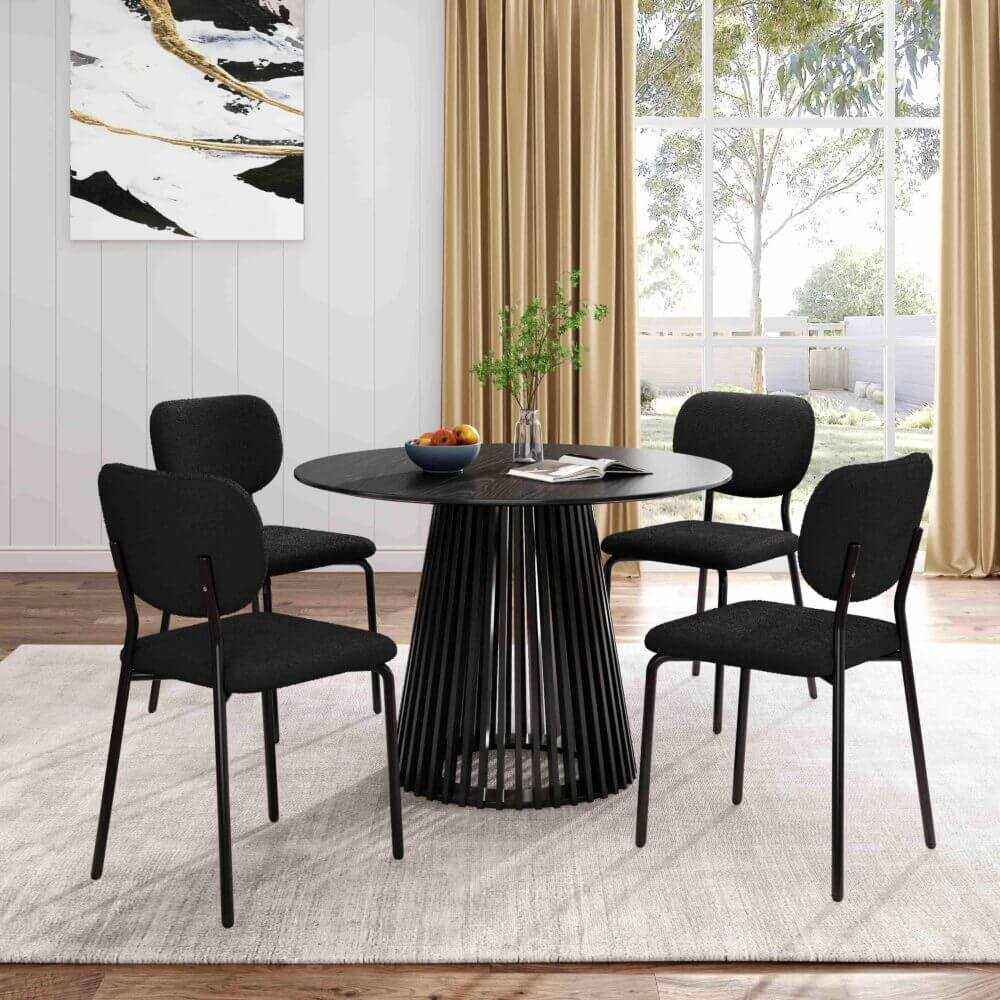
Round dining tables are a smart choice for small spaces. Their absence of corners allows for more seating flexibility. This design also creates a friendly atmosphere, perfect for intimate dinners.
A key benefit of round tables is their adaptability. They can fit seamlessly in various room shapes without appearing out of place. The circular shape also encourages better traffic flow around the table.
Round tables can make a room feel more open and airy. They draw attention to the centre, adding charm to the space. Their streamlined design often complements modern or eclectic interiors beautifully.
Additional advantages of round tables include:
-
More seating flexibility
-
Reduced risk of bumping into sharp edges
-
Enhanced table space for shared platters
One challenge is that round tables may not suit narrow rooms. However, they are generally more accommodating for uneven guest numbers.

In terms of design versatility, round tables often pair well with a variety of chair styles. This enhances their appeal as focal points in dining spaces. Their ability to adapt to different settings makes them a practical and stylish choice.
Rectangular Dining Tables: Space-Saving Features and Benefits
Rectangular dining tables offer a different set of benefits. They are ideal for larger dining areas and can fit against walls. This makes them efficient for narrow or long spaces.
A key advantage is their ability to accommodate more people. This is especially useful for larger families or frequent hosts. Their straight edges provide more surface area for serving dishes.
Another notable feature is the availability of extension leaves. These leaves offer flexibility for hosting larger gatherings when needed. This makes rectangular tables a practical choice for those who entertain often.
Here are some strengths of rectangular tables:
-
Suitable for formal settings
-
More stable and less prone to tipping
-
Ample surface for decor and meals

by Point3D Commercial Imaging Ltd. (https://unsplash.com/@3dottawa)
Rectangular tables tend to align well with other furniture. This alignment can create a cohesive and structured look in a room. The variety of styles and sizes available enhances their versatility.
However, rectangular tables can sometimes dominate a space. In smaller rooms, they may require careful planning to ensure a smooth flow. Despite this, their classic appeal often aligns with traditional and rustic designs.
Comparing Round vs Rectangular Tables: Which Shape Saves More Space?
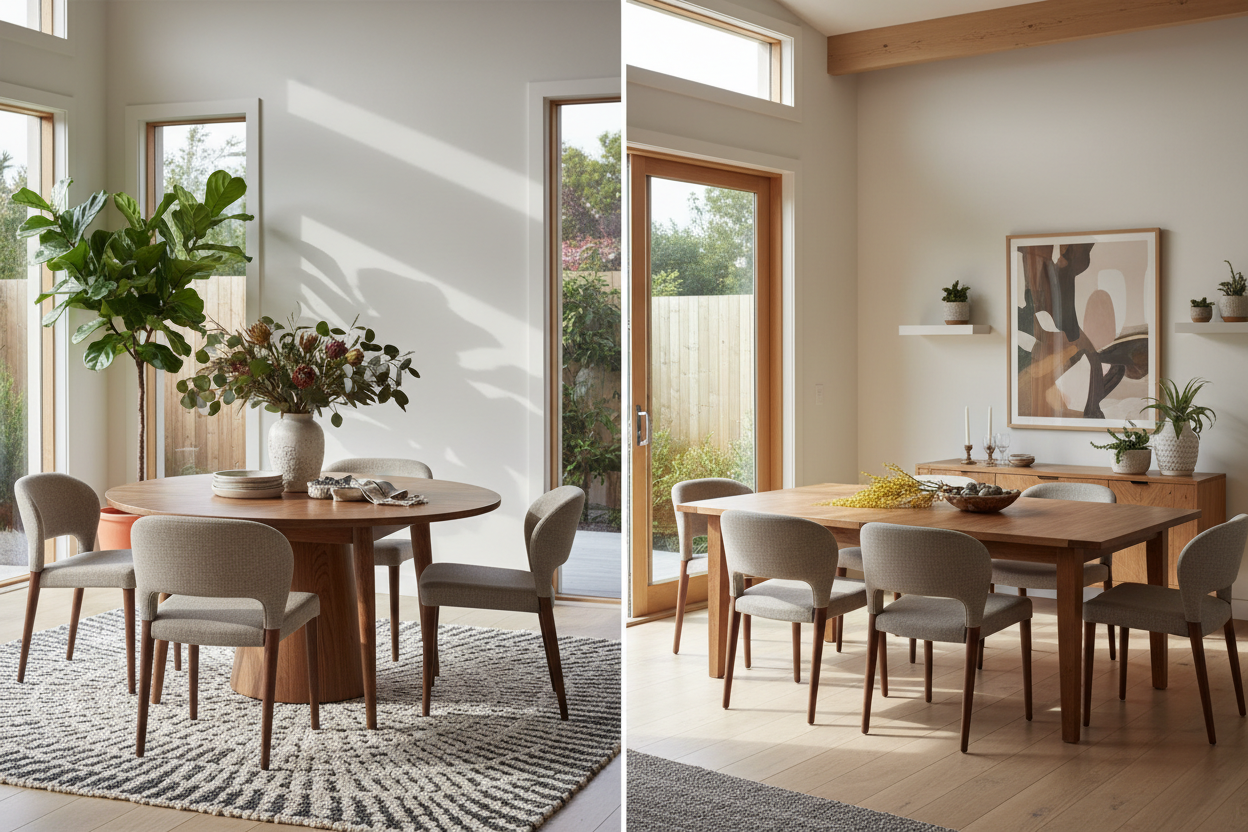
Deciding between a round and rectangular table often comes down to space constraints. Both table shapes have distinct space-saving merits, depending on your room layout. Understanding these can guide a better choice.
Round tables excel in compact spaces because they lack corners, allowing for effortless movement. In contrast, rectangular tables maximise seating in long, narrow rooms. This contrast highlights their differing approaches to space optimisation.
A crucial factor is the available room. Round tables often create a sense of openness, while rectangular ones can fill space more efficiently. Consider this when evaluating your room's dimensions.
Here are some ways each shape contributes to space saving:
-
Round Tables: Great for small, intimate areas, flexible seating
-
Rectangular Tables: Optimal for long, narrow settings, defined edges for organisation

by Aalo Lens (https://unsplash.com/@aalolens)
Ultimately, choosing the right table depends on balancing your room's space with your hosting needs. The decision should match how you plan to use the dining area, whether for casual meals or larger gatherings.
Room Size, Shape, and Layout: Matching Table to Space
Selecting a table that fits your room involves several considerations. The room's dimensions and layout are foremost among these. Each table shape complements different room characteristics.
Round tables often fit well in square rooms, enhancing the sense of harmony. Their circular design suits open layouts, where space flows without obstruction. Consider round tables if your room is symmetrical.
Rectangular tables, however, align perfectly in rectangular or elongated spaces. Their linear form allows for alignment with walls or centred placement without wasting space. They are ideal in long dining areas.
Here's how to match tables with room features:
-
Round Tables: Suitable for small, balanced, or square spaces
-
Rectangular Tables: Optimal for elongated, narrow, or sizable rooms
Remember that the table should complement not only the room's size but also its overall design. Balancing practicality with aesthetics can enhance your dining experience and the room's visual appeal.
Seating Capacity and Flexibility: How Many Can You Fit?
Choosing the right dining table shape impacts how many guests you can seat comfortably. Round tables typically offer flexibility in seating arrangements. Their lack of corners makes it easier to fit additional chairs when needed.
In contrast, rectangular tables generally have a fixed number of seating positions. They consistently excel at accommodating a larger number of guests. Extending leaves can increase their capacity for events.
Consider these seating aspects:
-
Round Tables: Easier to add more seats for casual gatherings
-
Rectangular Tables: Structured seating, ideal for large families

by Spacejoy (https://unsplash.com/@spacejoy)
Ultimately, align table choice with your usual dining needs and guest frequency. This ensures you maintain a functional yet welcoming dining space throughout any occasion.
Social Experience and Dining Atmosphere
The shape of your dining table deeply affects the dining atmosphere and interaction among guests. Round tables foster an inclusive and cozy setting. Their shape encourages eye contact and conversation among diners, enhancing the social experience.
Rectangular tables, while more structured, can promote a formal dining atmosphere. They might lead to segmented conversations, especially at long tables. However, they provide space for decorative centrepieces.
Consider these social aspects:
-
Round Tables: Ideal for intimate, engaging dining
-
Rectangular Tables: Suitable for formal, segmented seating
Choose a table shape that best complements the desired social dynamic in your home dining area.
Practical Considerations: Safety, Maintenance, and Versatility
Practical aspects often govern dining table choices. Round tables, devoid of corners, are inherently safer for homes with children. Their absence of edges minimises the risk of bumps and bruises.
Maintenance varies with table style and material. Wooden tables may require regular polishing, while glass surfaces need frequent cleaning. The ease of maintenance can influence your choice.
Versatility is another crucial factor. Round tables adapt well to varying arrangements, while rectangular tables align seamlessly with other dining room furniture.
Consider these practical aspects:
-
Safety: Round tables are child-friendly
-
Maintenance: Depends on material
-
Versatility: Varies by table shape

by Nguyễn Hiệp (https://unsplash.com/@hieptltb97)
Style, Aesthetics, and Design Harmony
The style of a dining table can set the tone for your dining area. Round tables often suit modern or minimalist designs, offering a sleek look. Their circular shape can add a touch of elegance.
Rectangular tables typically fit in with more traditional or rustic decor styles. They provide structure and can seamlessly complement a classic interior theme.
Considerations for style and design harmony include:
-
Round tables: Modern, minimalistic
-
Rectangular tables: Traditional, rustic
-
Design fit: Matches overall interior decor

by Franco Debartolo (https://unsplash.com/@francotheshooter)
Tips for Choosing the Best Space-Saving Dining Table
Selecting a space-saving dining table requires careful consideration of several factors. Evaluating the room's dimensions is essential to ensure a proper fit. Understanding your seating needs can guide you toward the best choice.
The table's material can also influence its perceived space-saving ability. Light colours or glass surfaces can make a room appear more open and airy.
Remember these tips when choosing a space-saving dining table:
-
Consider room size: Measure your space.
-
Plan seating arrangement: Know your seating needs.
-
Choose materials wisely: Opt for lighter finishes.

by Clay Banks (https://unsplash.com/@claybanks)
Frequently Asked Questions: Dining Table Space-Saving
1. Which table shape is best for small spaces?
Round tables are often ideal for small spaces. Their lack of corners allows for seamless movement and flexible seating.
2. Do rectangular tables offer any space-saving features?
Yes, rectangular tables can fit into narrow spaces against walls. Many have extension leaves for added functionality during gatherings.
3. Are there specific materials that enhance space-saving?
Lighter materials and colours, such as glass or light wood, can make a room feel larger and more open.
4. How can I maximise seating with a round table?
Consider using benches or armless chairs around a round table to accommodate more people comfortably.
5. Can table height affect space perception?
Absolutely. Taller tables with slender legs create visual space below, giving the dining area an airier feel.
Conclusion: Making the Right Choice for Your Dining Space
Choosing the right dining table can transform your dining area. Round tables excel in cozy, intimate spaces, offering flexibility. Rectangular tables provide structure, especially in larger rooms.
Consider your room's dimensions when deciding. The table must complement the space's flow and aesthetic. Ensure it aligns with your entertaining style and the number of guests you usually host.
Lastly, remember that both functionality and style matter. Whether you prefer round or rectangular, select a table that suits your lifestyle and enhances your home's charm.